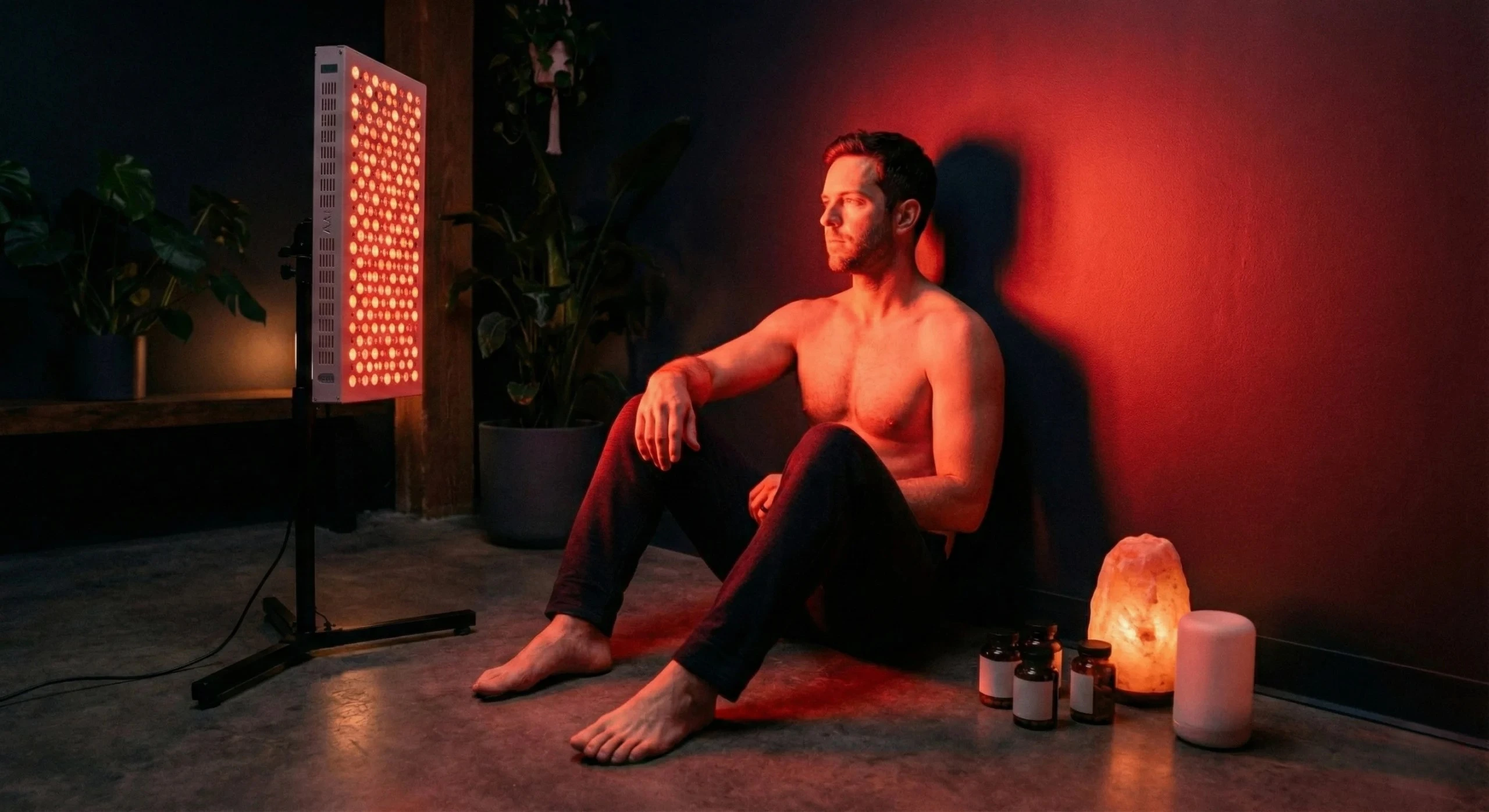
Red Light Therapy: Science-Backed Devices, Specs & Protocols
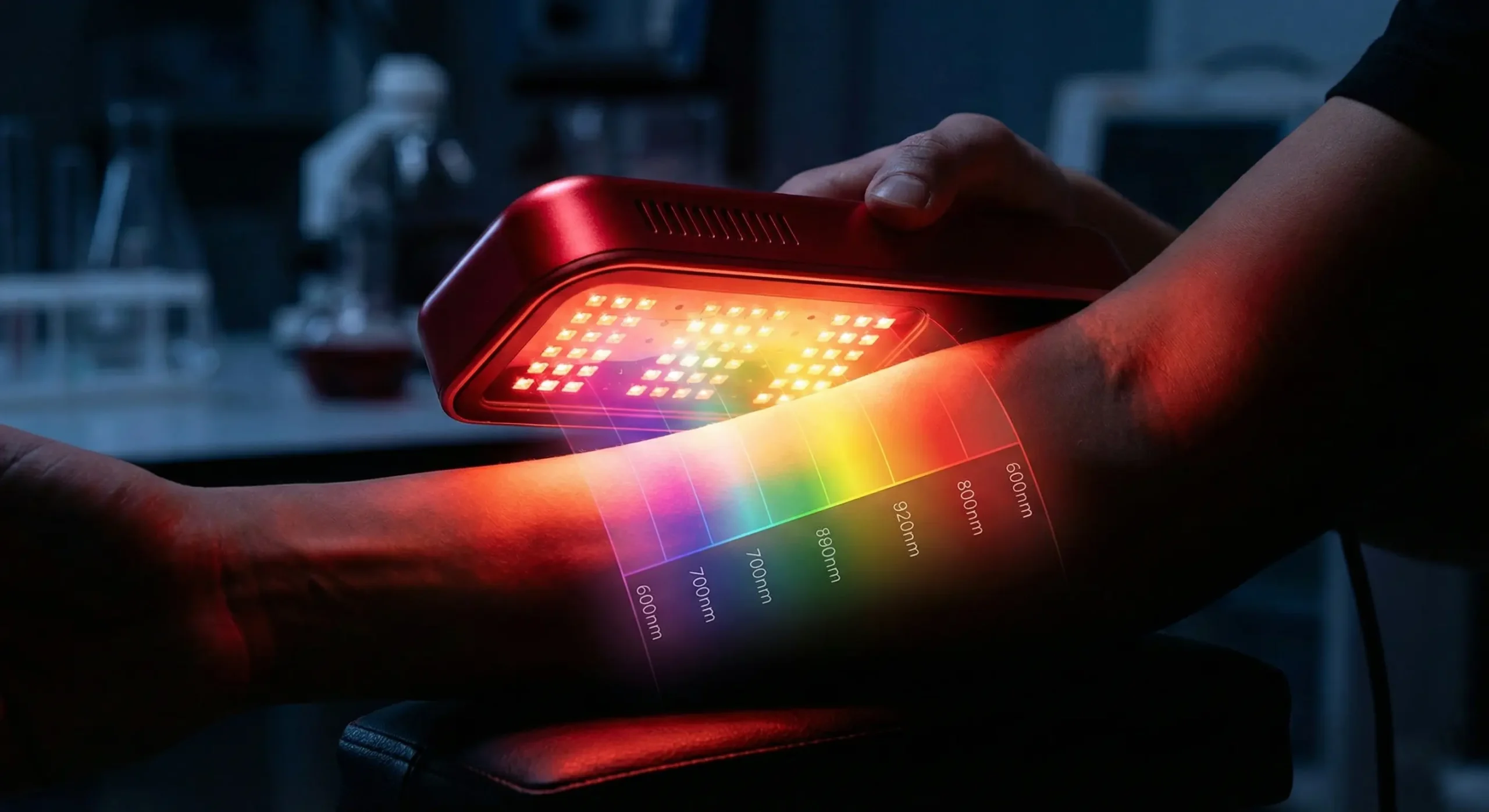
Red light therapy uses specific wavelengths of light (usually 630-850nm) to penetrate your skin and stimulate cellular energy production. We test red light devices in our lab using spectrometers and power meters to verify their actual wavelengths, irradiance levels, and treatment effectiveness—so you can separate real therapeutic devices from overpriced LED panels.
Start Here: Essential Red Light Therapy Guides
 Must Read
Red Light Therapy 101: The Definitive Guide (2026)
 Guide
GuideHow Does Red Light Therapy Work?
 Must Read
Best Red Light Therapy Devices 2026: Specs Compared
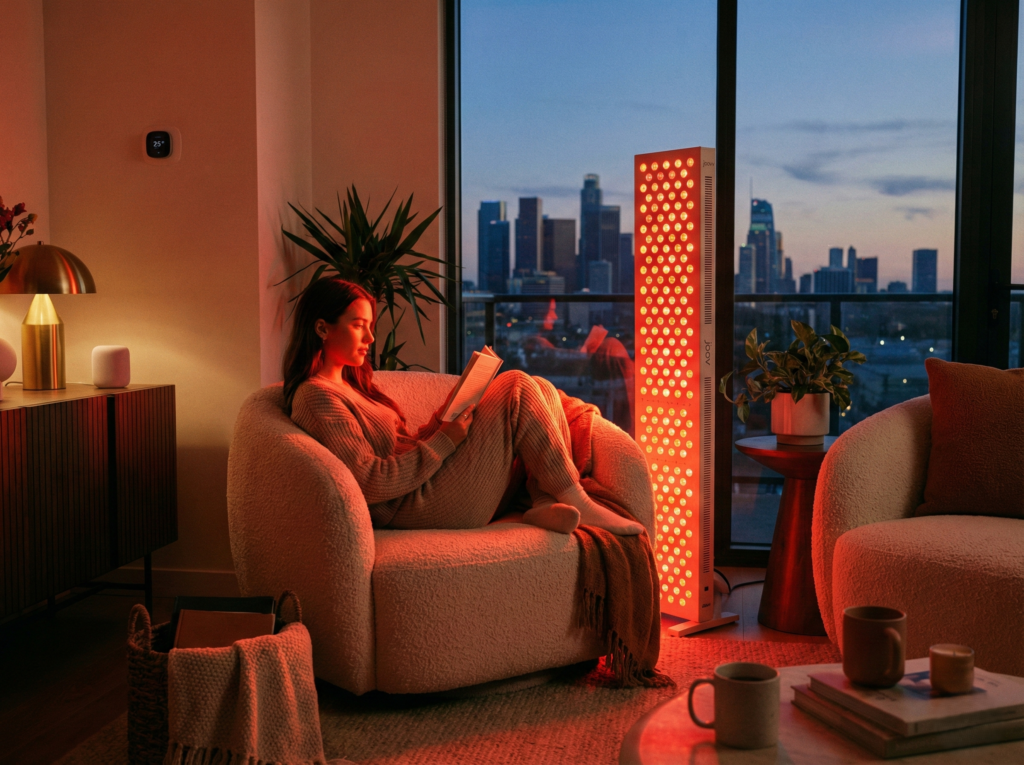 Protocol
How to Use Red Light Therapy at Home
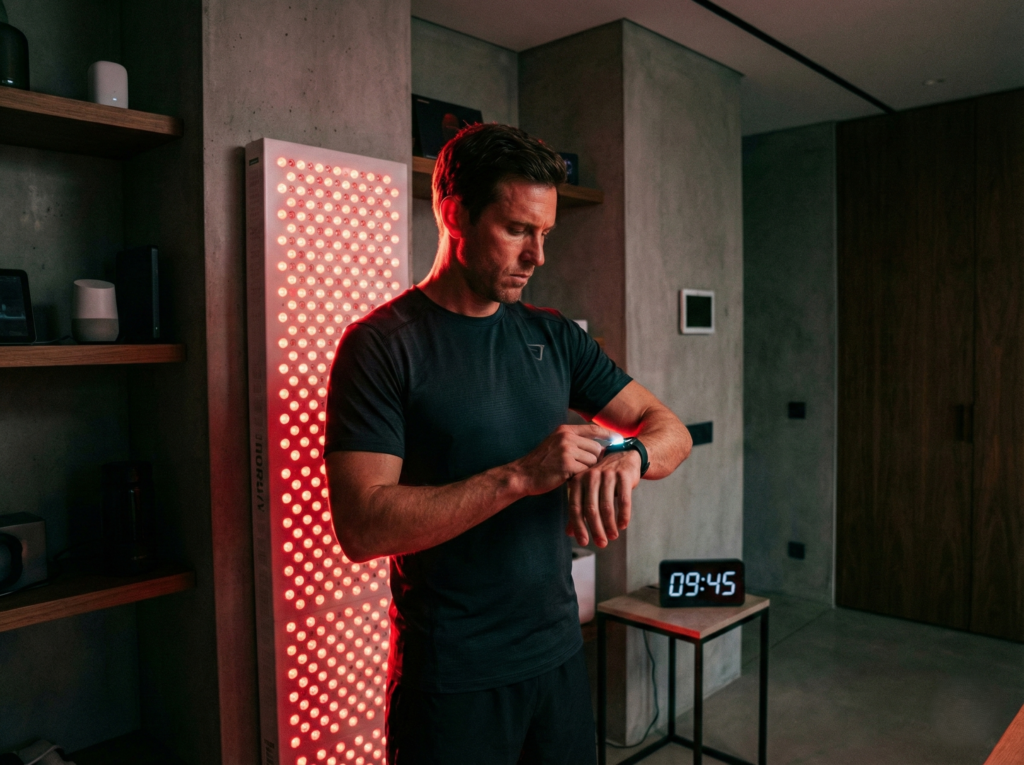 Guide
GuideRed Light Therapy for Athletes: Recovery Protocol & Evidence
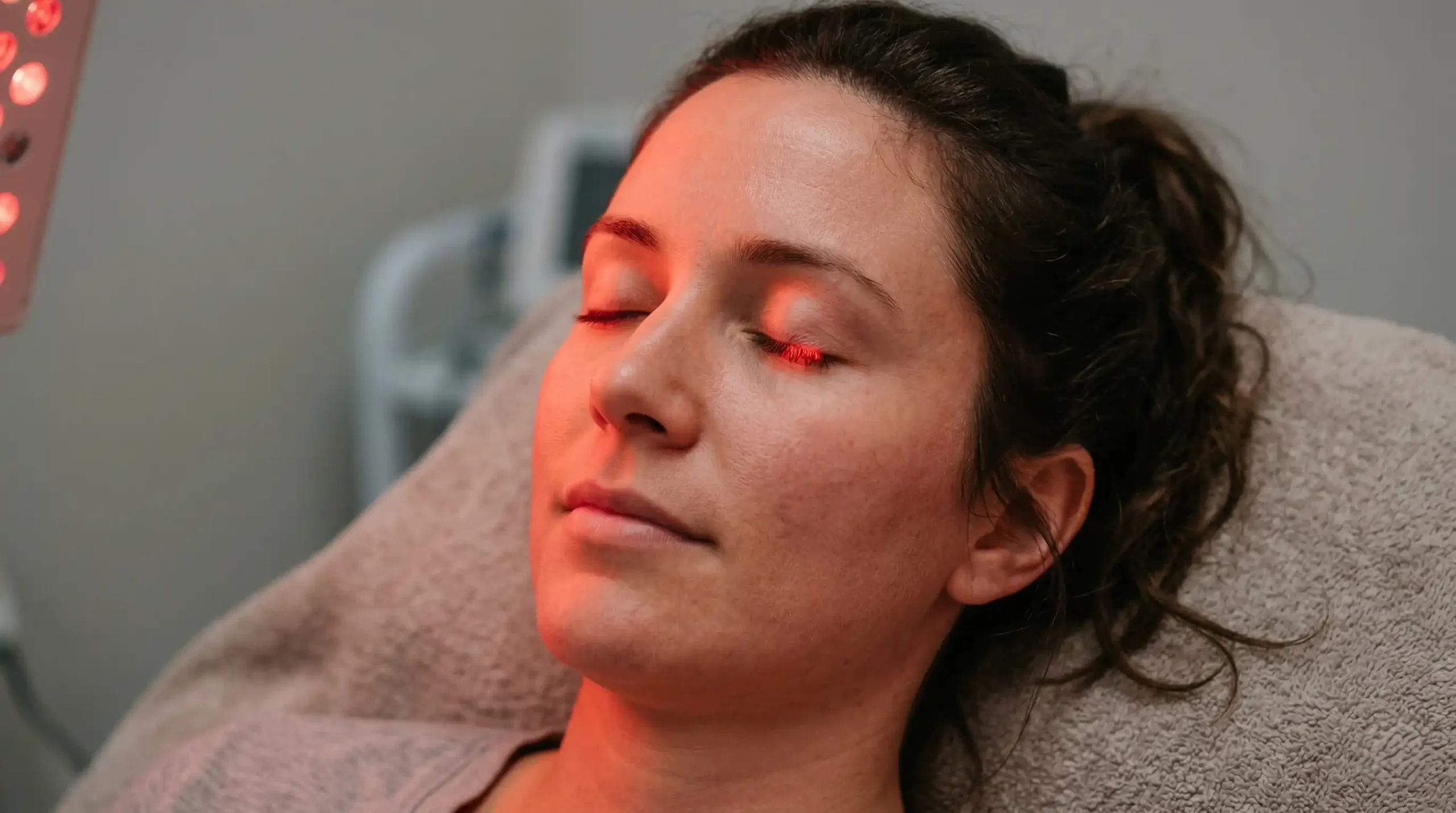 Must Read
Red Light Therapy Eye Safety: Risks & Safe Protocol
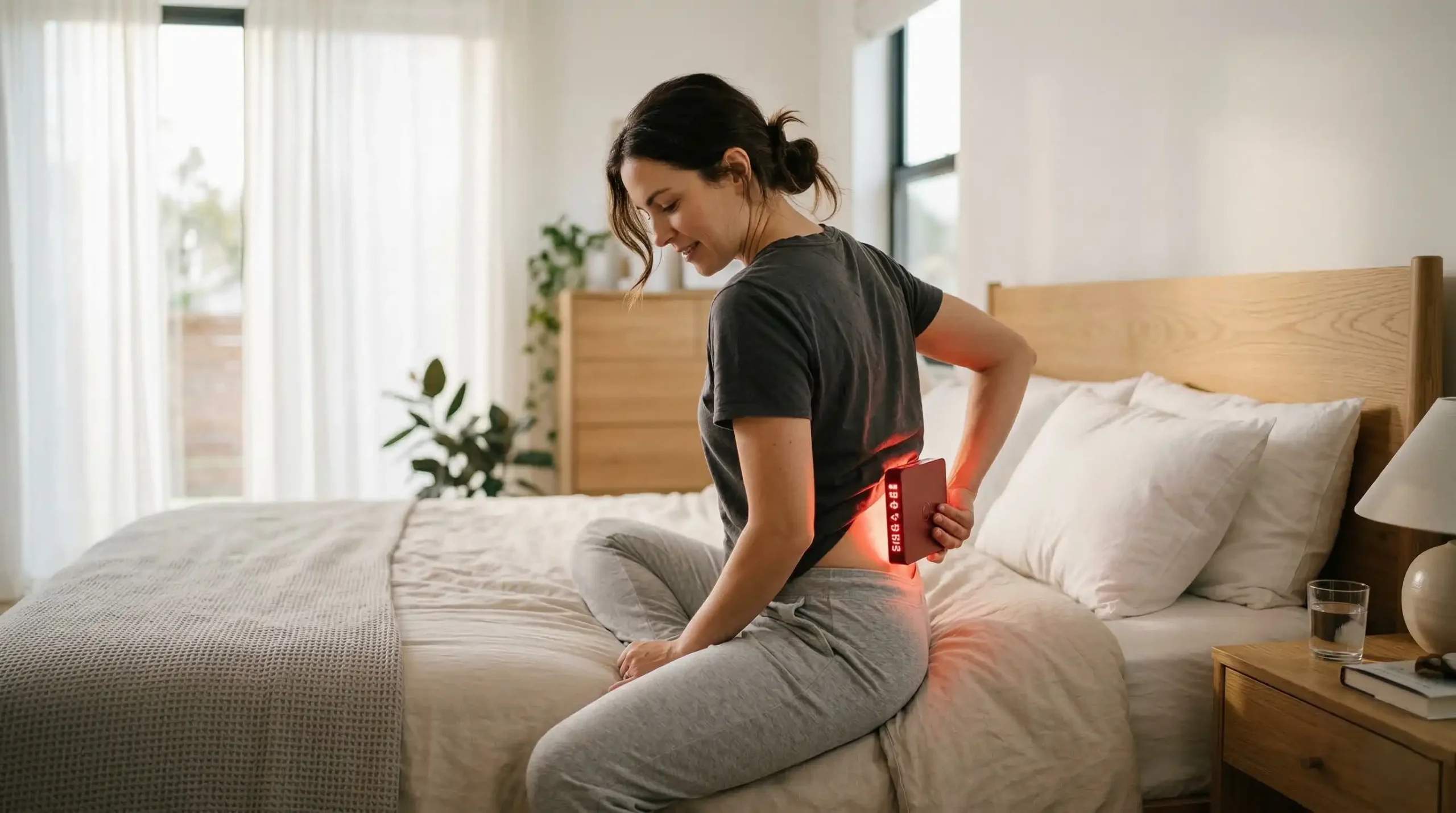 Must Read
Red Light Therapy for Back Pain: Protocol & Evidence
 Info
Info660nm vs 850nm: Which Wavelength Do You Need?
-
Red Light Therapy for Face: Anti-Aging Protocol
-
Red Light Therapy for Acne: Science & Protocols
-
Red Light Therapy for Rosacea: Protocol for Sensitive Skin
-
Protocol for Scars & Stretch Marks
-
Red Light for Hair Growth: Evidence & Protocol
-
Red Light Therapy for Anti-Aging
-
Best Red Light Therapy Mask for Acne in 2026
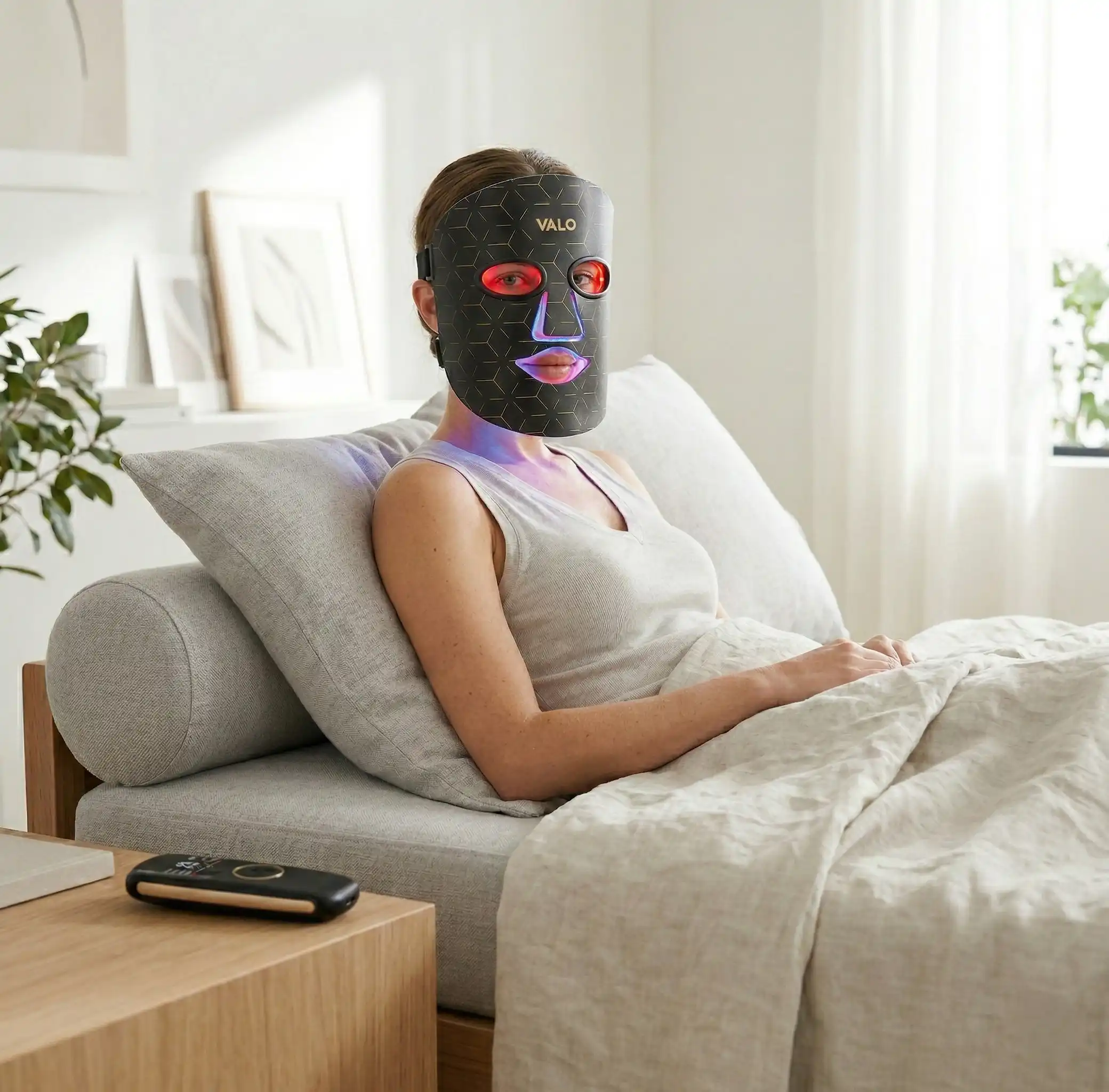
Valo Glow Face Mask
Related Review, Comparisons & Alternatives
Best balanced LED mask under $300. 4 wavelengths (red, blue, NIR, orange) for anti-aging + acne.
-
What Is Red Light Therapy? A Science-Based Explanation
-
Is Red Light Therapy Safe? (What You Need to Know Before Starting)
-
Red Light Therapy Side Effects: What’s Real vs Myth
-
The Simple Dosing Guide (No Math)
-
How Long Does Red Light Therapy Take to Work?
-
7 RLT Mistakes Killing Your Results
-
Contraindications: Who Should Avoid Red Light Therapy
-
Glossary of RLT Terms: Understand the Science
-
Does Red Light Therapy Really Work?
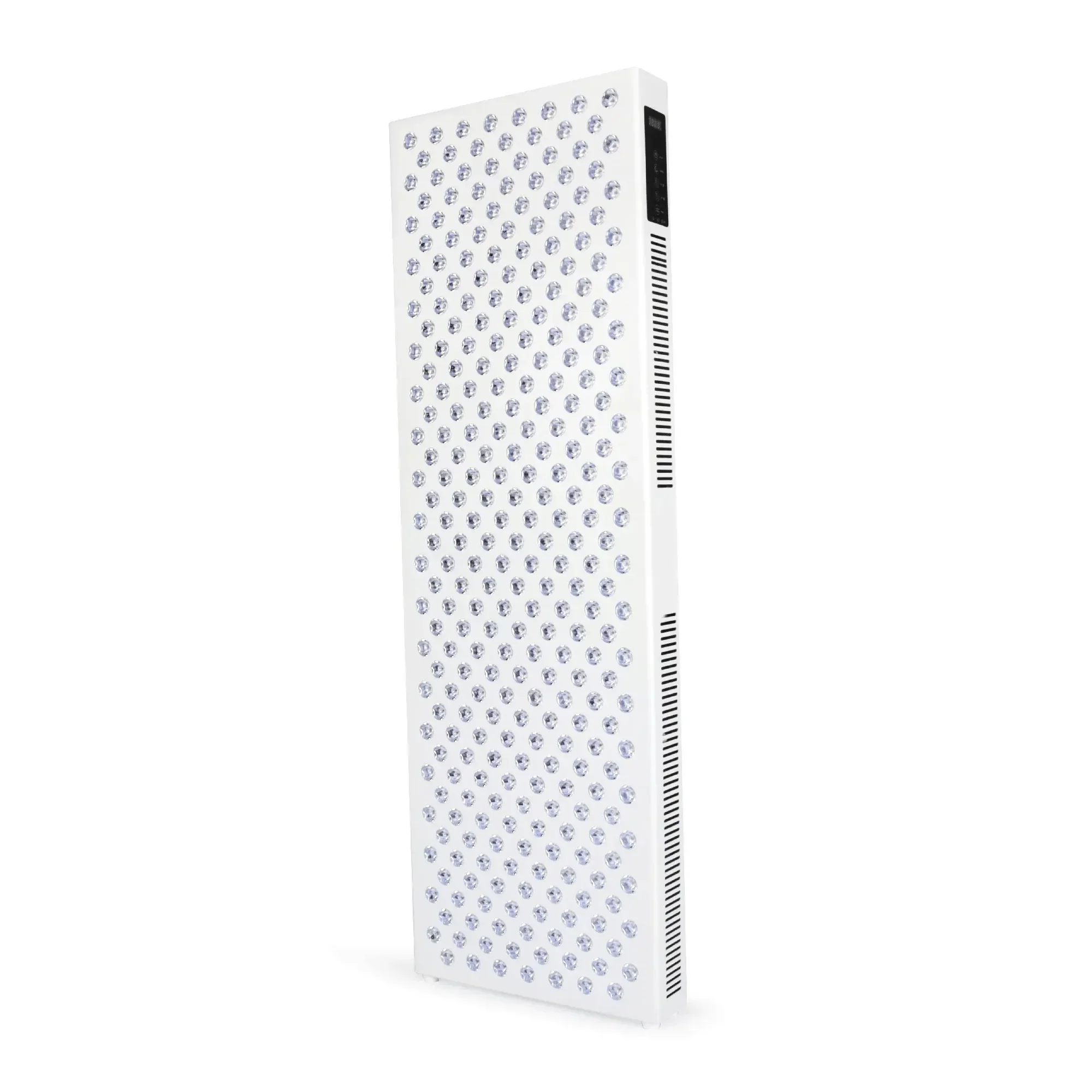
Valo Blaze
Related Review, Comparisons & Alternatives
A stronger full-body focused option for users who want higher output, broader treatment coverage, and faster sessions.
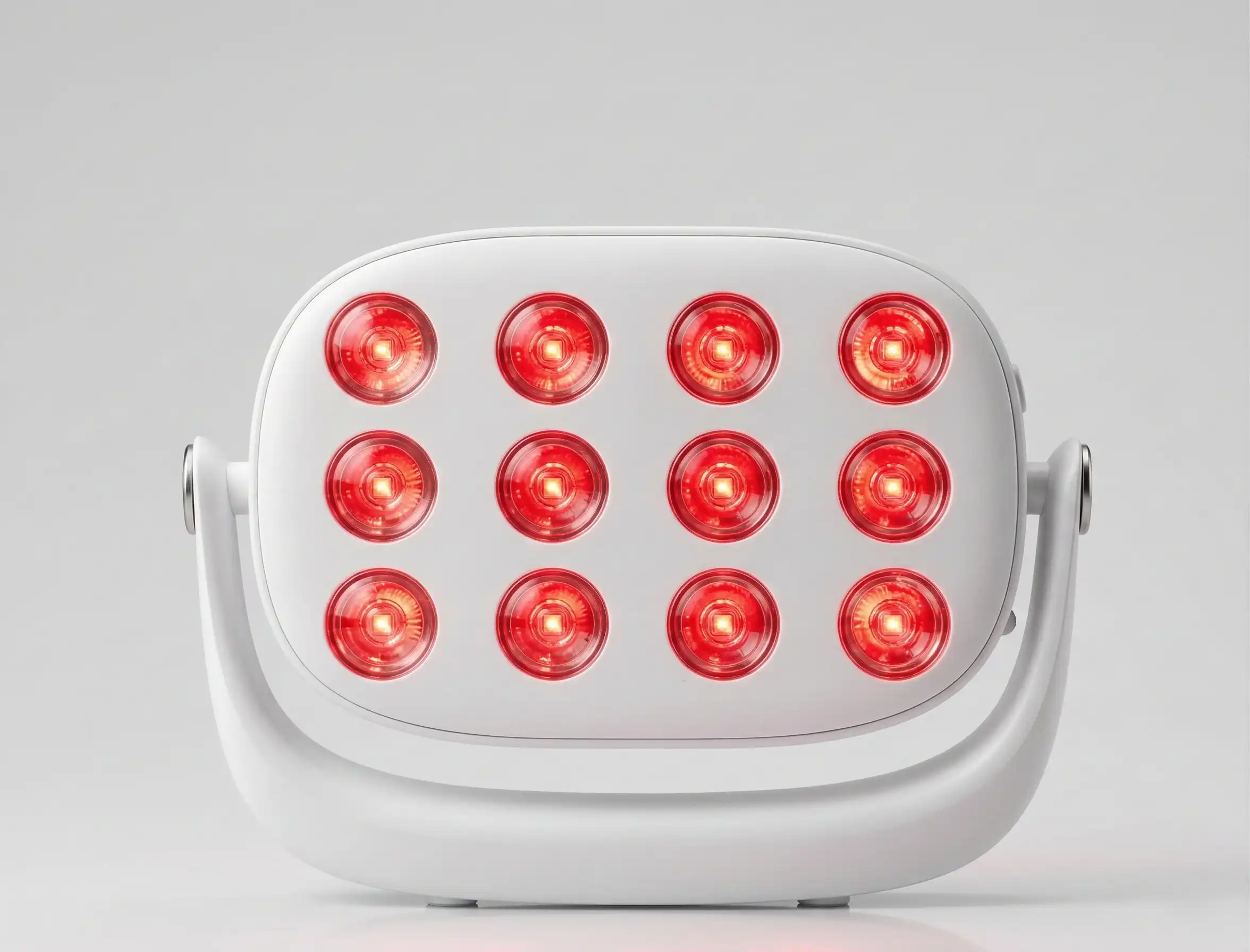
Valo Spark Portable Panel
Related Review, Comparisons & Alternatives
Best portable RLT for athletes & travelers. 60W power, TSA-approved, 6-hour battery.
- Best Portable Red Light Therapy Panel of 2026: Tested & Ranked
- Valo Spark Review: Best Portable RLT Device for $300?
- Red Light Therapy Panel vs Handheld Device: Which Do You Need?
- Best Joovv Go Alternative in 2026
- Valo Spark vs Joovv Go 2.0 (2026): $240 vs $295
- Joovv Go 2.0 Review (2026): Strong Brand, Weak Specs
- Mito Red MitoPRO Mobile Review (2026): 7.8/10

Valo Beam
Related Review, Comparisons & Alternatives
Compact red light therapy panel designed for targeted recovery, skin support, and daily home use.
Valo Halo
Related Review, Comparisons & Alternatives
A flexible wearable red light therapy solution built for convenience, hands-free sessions, and targeted comfort.
Red Light Therapy Dose Calculator
Stop guessing your session time. Calculate the exact seconds needed to hit your target Joules based on your device’s power and distance.
Launch Calculator →How Red Light Affects the Body
Cellular Energy Production
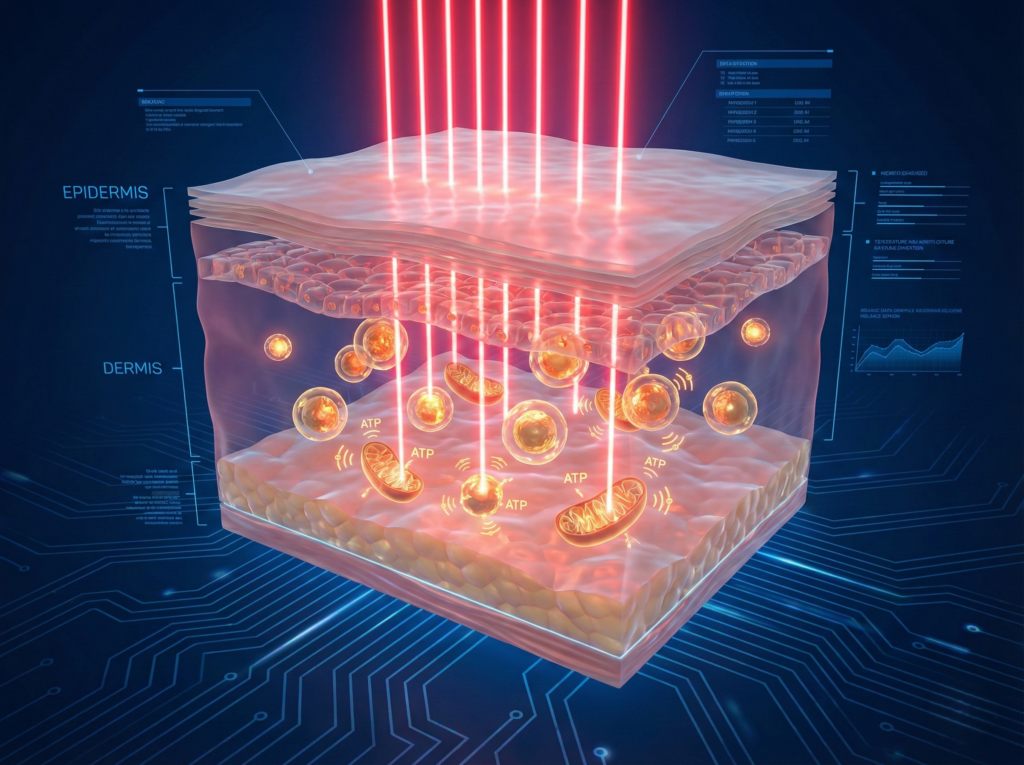
Red and near-infrared wavelengths interact with mitochondria, specifically cytochrome c oxidase, which may support increased ATP production and cellular energy availability.
Blood Flow & Nitric Oxide
Photobiomodulation may temporarily increase nitric oxide release, supporting circulation and oxygen delivery to tissues.
Inflammation Response
Research suggests red light therapy may help regulate inflammatory signaling pathways associated with recovery and tissue stress.
Collagen & Skin Repair
Studies on 630-660nm wavelengths indicate potential stimulation of fibroblast activity involved in collagen synthesis and skin regeneration.
What Actually Determines Results?
Wavelength Accuracy
Not all devices emit clinically relevant wavelengths. Most research focuses on ranges around 630-660nm and 810-850nm.
Irradiance
Power output matters more than marketing claims. Low irradiance devices may require significantly longer treatment times.
Distance From Device
Treatment intensity changes dramatically based on how far the body is positioned from the panel.
Session Duration
Longer sessions are not always better. Overdosing may reduce treatment efficiency in some cases.
Treatment Consistency
Most published studies involve repeated use over multiple weeks rather than occasional sessions.
Why Some People Don’t Notice Benefits
Using Underpowered Devices
Many consumer devices deliver insufficient irradiance for deeper tissue applications.
Incorrect Wavelength Selection
Red light and near-infrared light affect tissues differently depending on treatment goals.
Inconsistent Use
Most protocols in published studies involve regular use several times per week.
Unrealistic Expectations
Results related to skin quality or recovery often require multiple weeks of consistent exposure.
Poor Dosing
Too little energy may produce no measurable effect, while excessive exposure may reduce effectiveness.
Current Research Overview
Skin Health
Clinical studies involving red wavelengths around 630-660nm have shown potential improvements in skin texture, elasticity, and visible aging markers.
Recovery & Exercise
Near-infrared wavelengths have been studied for muscle recovery, soreness reduction, and exercise performance support.
Pain & Inflammation
Photobiomodulation has been investigated in chronic pain and inflammation-related conditions, though outcomes vary depending on protocol quality.
Sleep & Circadian Support
Emerging evidence suggests evening light exposure patterns and mitochondrial signaling may influence sleep quality and recovery.
Limitations & Safety Considerations
Red light therapy is not a replacement for medical treatment, and clinical evidence varies depending on the condition being studied.
Results may differ based on:
- device quality,
- dosing,
- wavelength accuracy,
- consistency,
- and individual response.
People with photosensitivity conditions or specific medical concerns should consult a qualified professional before use.
Protocol Data
| Goal | Typical Wavelength | Common Session Time | Evidence Level |
|---|---|---|---|
| Skin Quality | 630-660nm | 10-20 min | Moderate-Strong |
| Recovery | 810-850nm | 10-15 min | Moderate |
| Joint Support | 810-850nm | 15-20 min | Moderate |
| Hair Growth | 650nm | 10-20 min | Emerging |
| Sleep Support | Mixed | Evening use | Limited |