
How we evaluate health technology
Every review starts with the science, not the marketing. We compare published research, device specifications, safety information, warranty terms, pricing, and real-world usability factors before making a recommendation.When a product has been physically tested, we label it as hands-on tested. When a review is based on published specifications and research analysis, we label it as spec-analysis. That distinction matters — especially in health technology.
Peer-reviewed research first
We start with published clinical literature, not manufacturer claims. Mechanisms, wavelengths, dose ranges, and limitations are checked against peer-reviewed research whenever possible.
- PubMed and clinical databases
- Mechanism and dose plausibility
- Evidence strength and limitations
Device specification verification
We compare product specifications against what the research suggests matters: wavelength range, irradiance disclosure, treatment area, session time, safety features, warranty, and return policy.
- Wavelengths: red, blue, NIR, deep NIR
- Irradiance transparency
- Price, warranty, and practical value
Safety & regulatory audit
We flag aggressive marketing claims, unclear FDA language, missing safety guidance, photosensitivity concerns, and situations where users should seek medical advice first.
- FDA-cleared vs FDA-registered wording
- Contraindications and safety notes
- Brand-reported vs independently verified claims
Structured real-world testing
A device can look good on paper and still fail in daily use. We consider setup time, comfort, portability, coverage, session consistency, and whether the product fits the user’s actual goal.
- Ease of daily use
- Coverage and comfort
- Best-fit use cases and limitations
Start Your Upgrade Here

Red Light Therapy: Clinical Protocols
Photobiomodulation affects cellular ATP production, collagen synthesis, and inflammation—but only at verified wavelengths and irradiance levels. We break down device specifications and treatment protocols backed by peer-reviewed research.

Sleep Optimization: Environment & Tracking
Sleep quality responds to precise environmental inputs and requires accurate measurement. We examine evidence for temperature control, light exposure protocols, and wearable device accuracy in sleep architecture analysis.
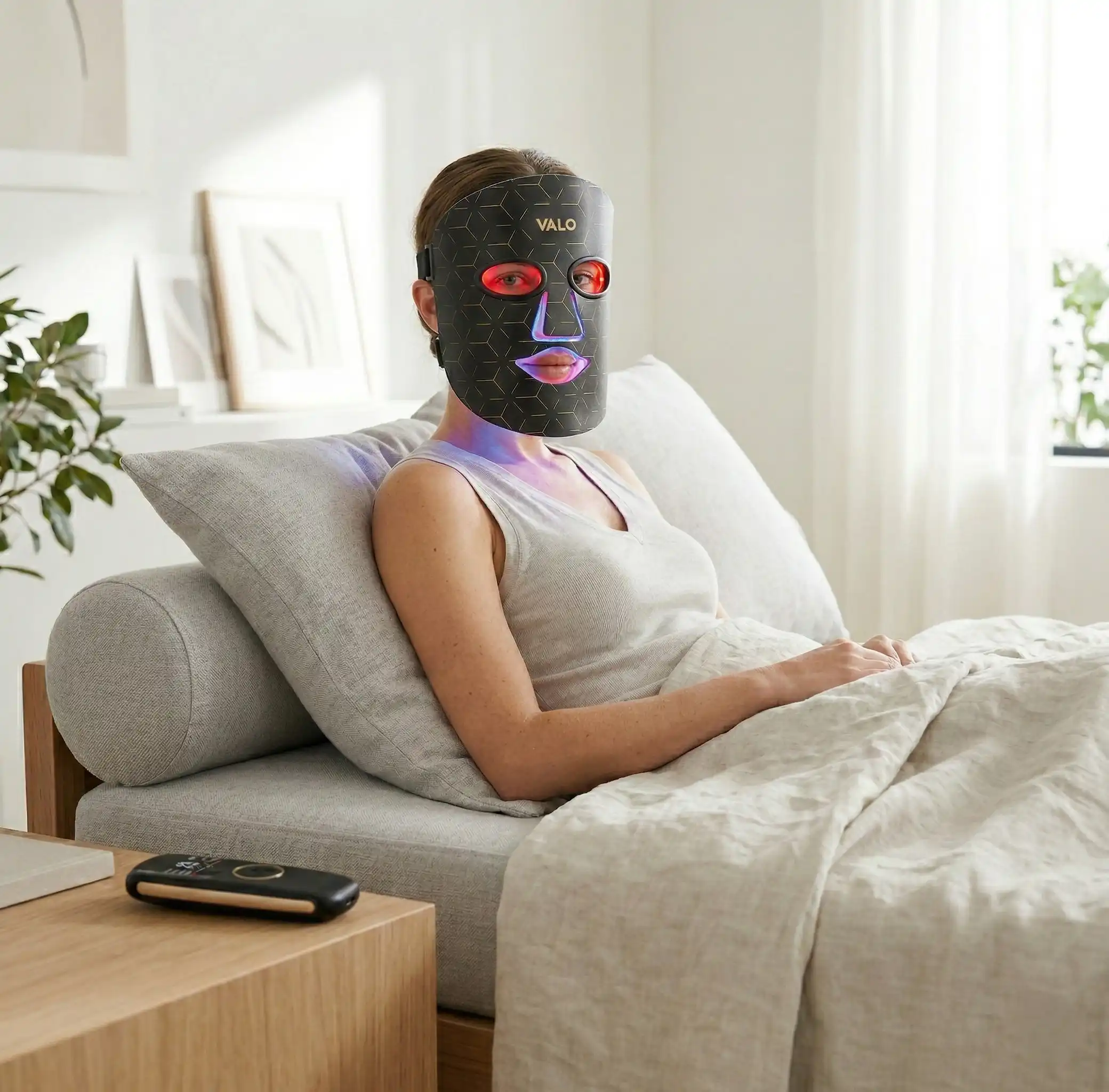
Valo Glow Face Mask Review: Worth $300?
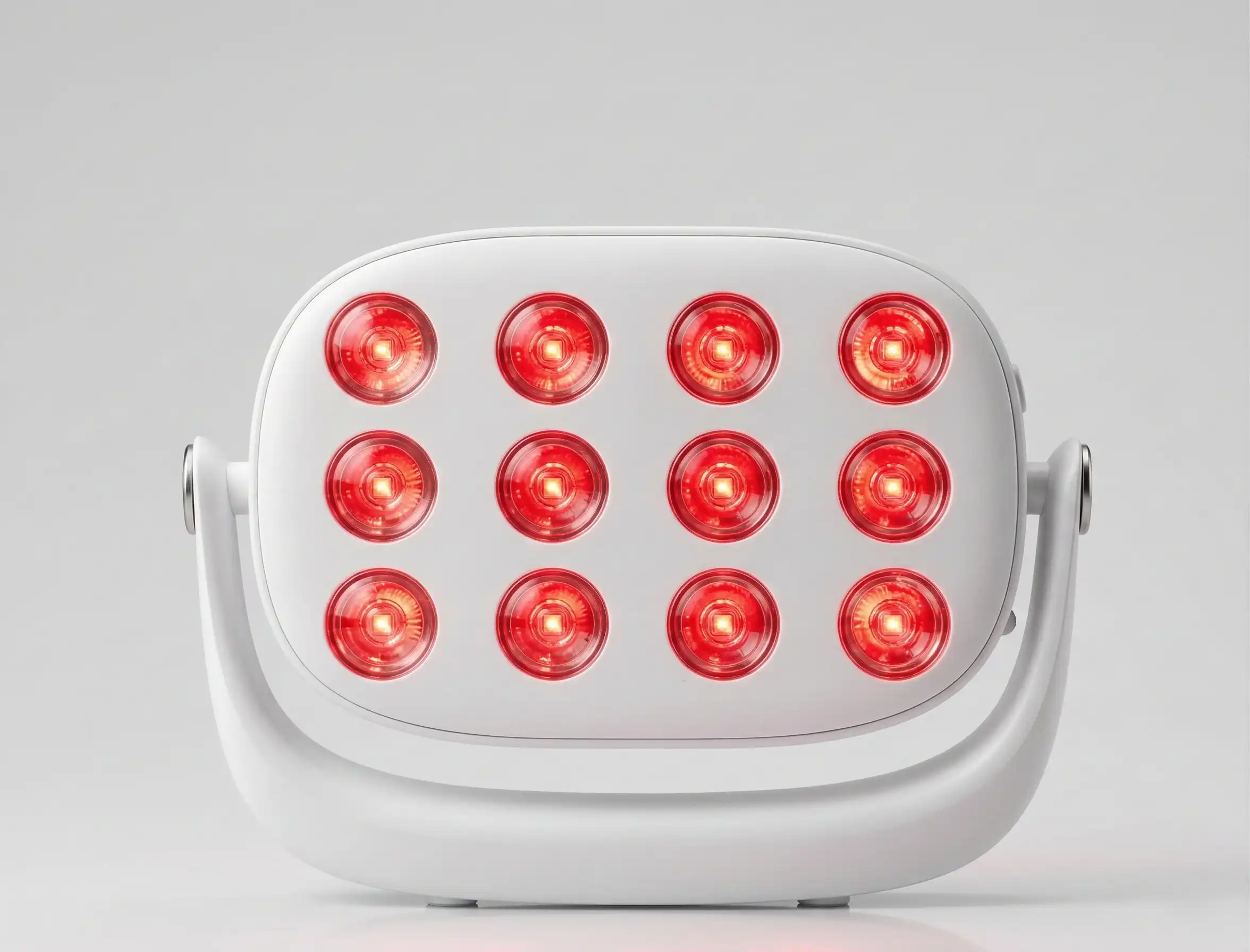
Valo Spark Review: Portable Red Light Panel for Travel & Recovery
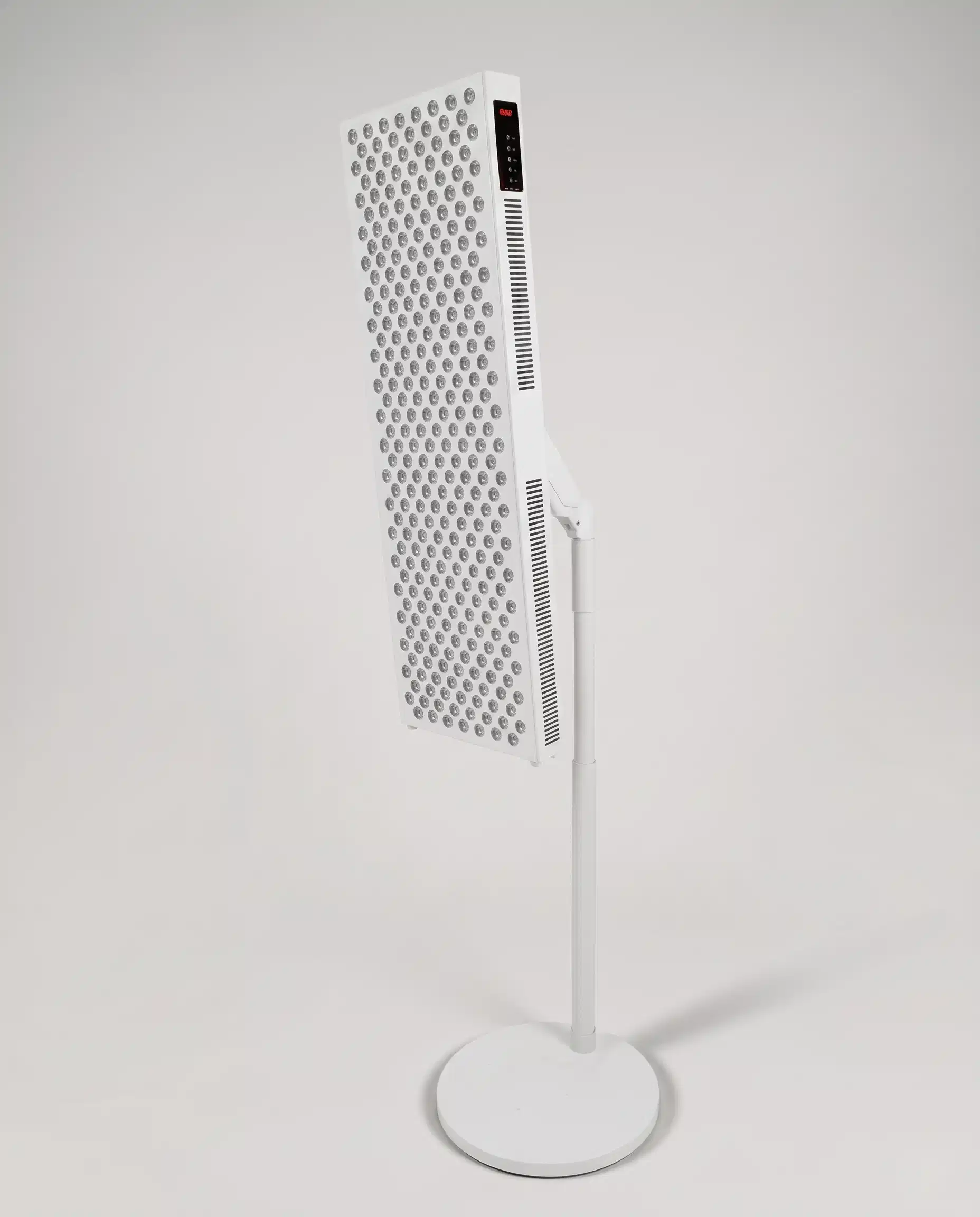
Valo Blaze Review: Full-Body Red Light Panel for Home Use
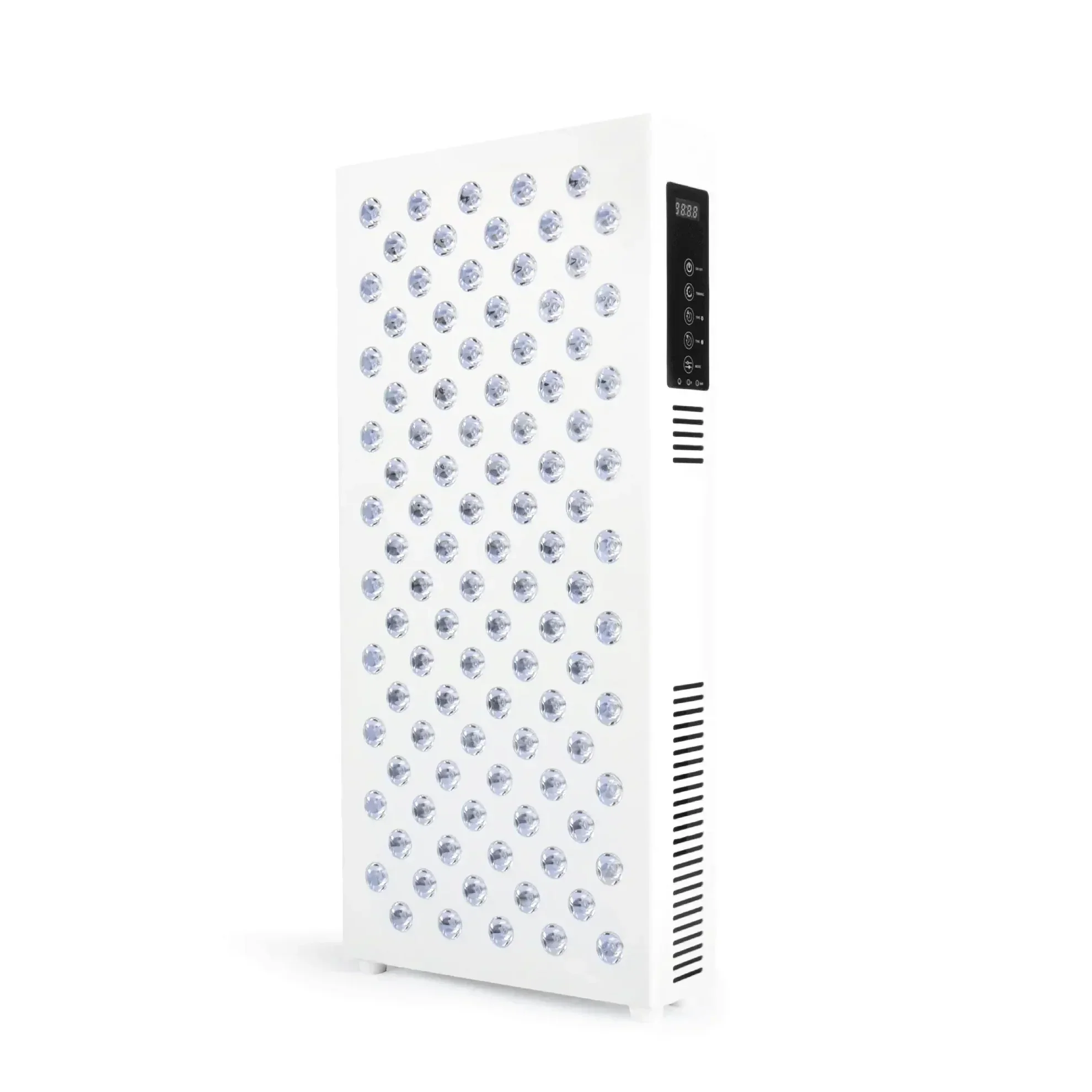
Valo Beam Review: The Mid-Size Panel for Daily Home Sessions

Valo Sculpt Review: Red Light Gua Sha with Heat & Vibration
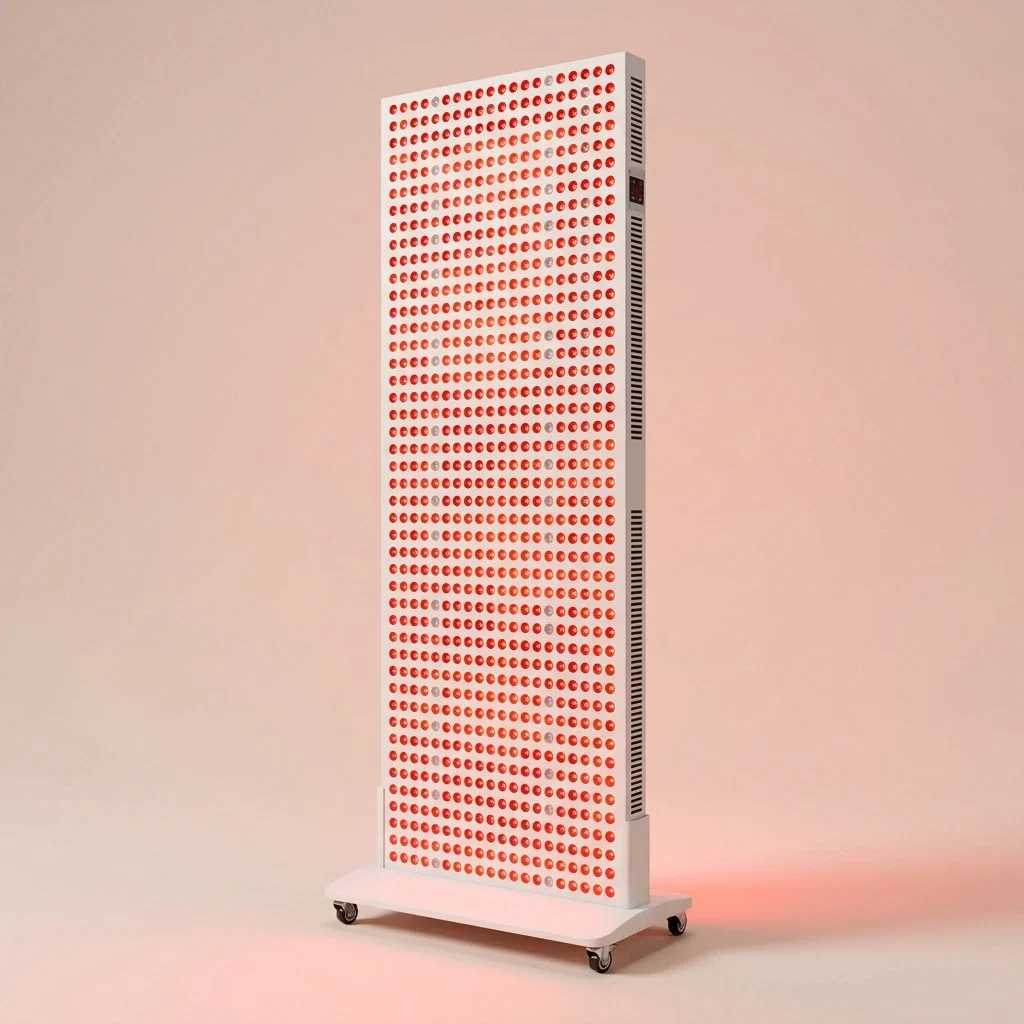
Valo Surge Review: Head-to-Toe Red Light Without a Bed
Frequently Asked Questions
Our Evaluation Protocol
Data Over Hype
We ignore marketing claims. Instead, we analyze clinical specifications. For red light therapy, we verify irradiance levels and wavelength accuracy (660nm & 850nm). For sleep tech, we compare tracker data against polysomnography (PSG) baselines to ensure HRV accuracy.
Safety & Certification
Biohacking should be safe. We prioritize devices that are FDA-cleared and manufactured in compliance with medical device standards. We scrutinize safety features, from EMF levels in infrared saunas to the safety profiles of laser hair growth caps.
Real-World Testing
Lab data isn’t enough. We test gadgets in real-world scenarios to evaluate usability, app interfaces, and long-term durability. Our goal is to find the best health optimization gear that fits your lifestyle and delivers measurable biological results.