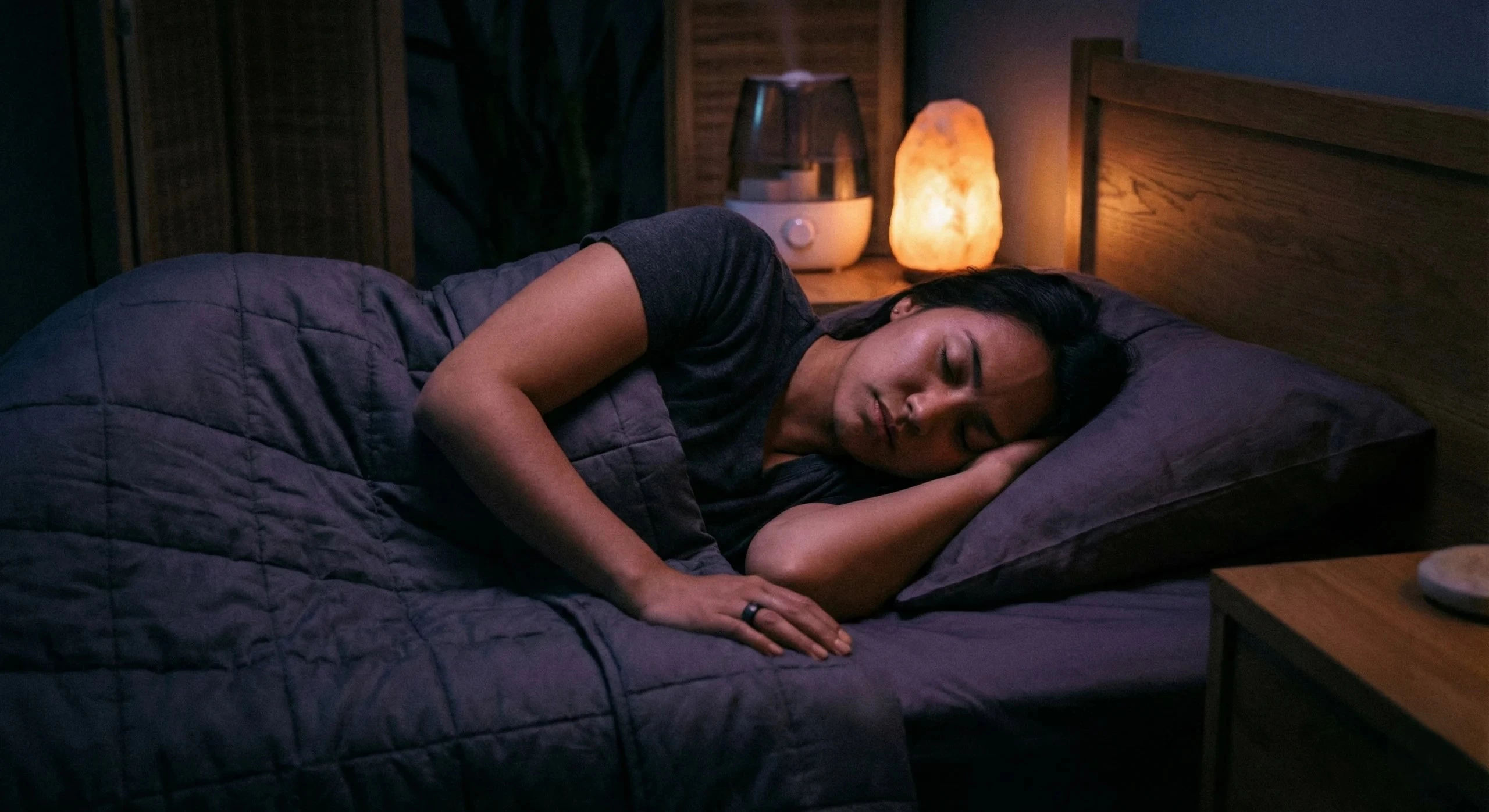
Sleep Optimization: Evidence-Based Tools, Trackers & Protocols
Sleep optimization technology includes wearable trackers, smart mattresses, light therapy devices, and bedside sensors that measure and improve your sleep quality. We test these technologies in our lab to see how accurately they track your sleep stages, heart rate patterns, and breathing—so you can make informed decisions based on real data.
Start Here: Essential Sleep Optimization Guides
 Must Read
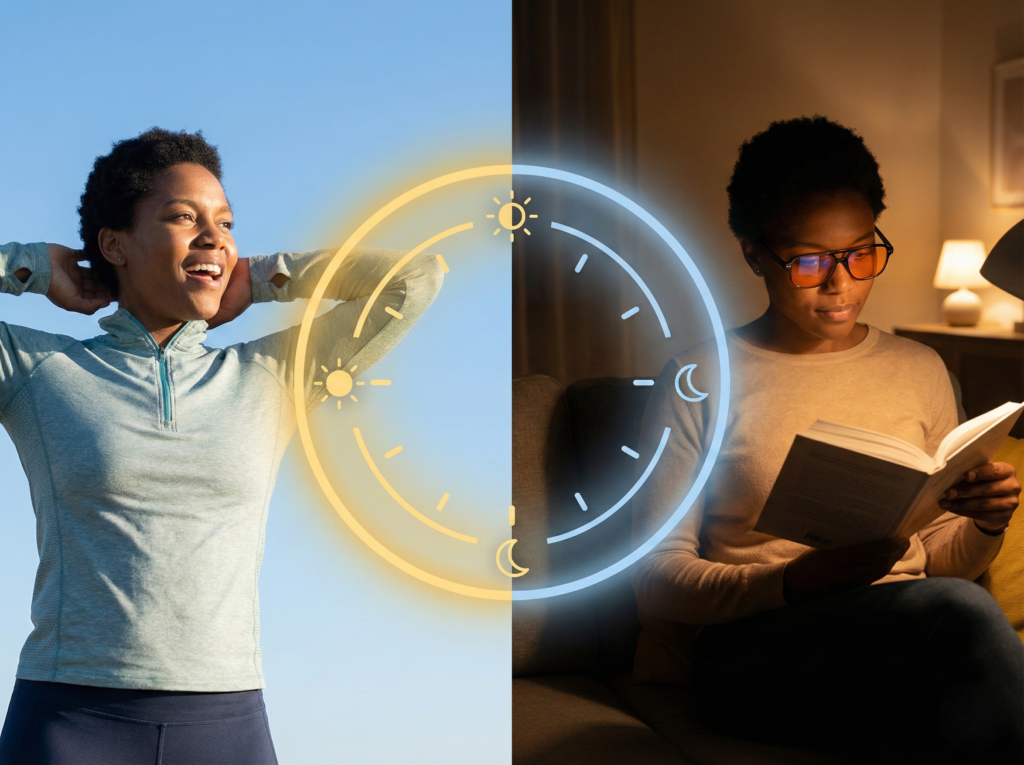
Circadian Rhythm and Sleep Timing Explained: Your Body’s 24-Hour Clock
 Protocol
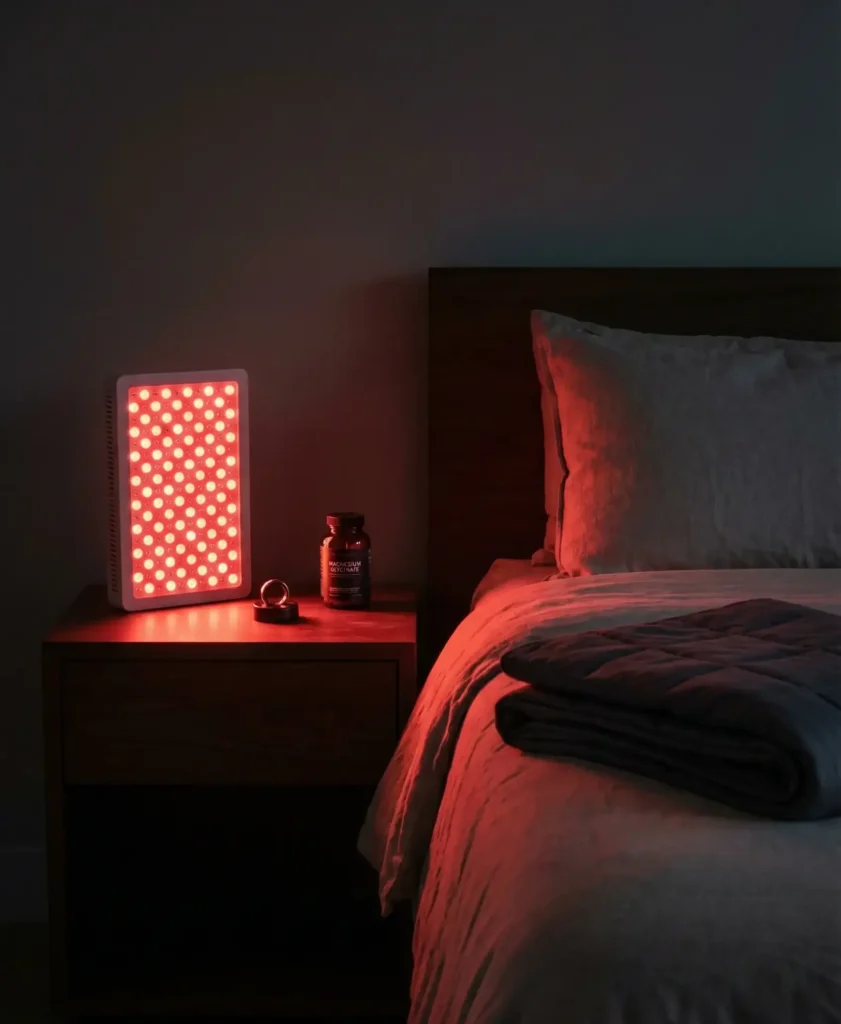
The Ultimate Sleep Optimization Protocol: A 24-Hour Checklist
 Guide
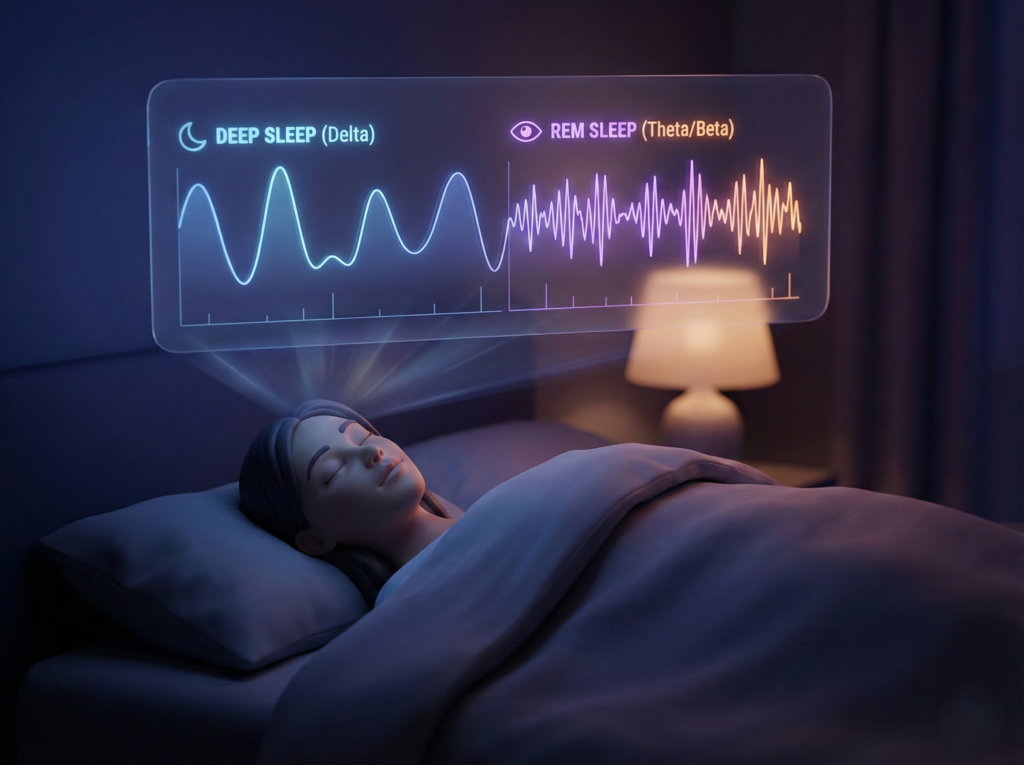
GuideWhy You Wake Up at 3-4 AM Every Night
 Guide
GuideWhat Is Sleep Optimization? A Science-Based Guide to Better Sleep
-
How Sleep Works: Understanding REM, Deep Sleep, and Sleep Architecture
-
How to Improve Sleep Quality Without Medication
-
Why You Can’t Fall Asleep: Understanding Stress, Cortisol, and Hyperarousal
-
Mouth Taping for Sleep: Benefits, Safety, and the Science of Nasal Breathing
-
Best Sleep Position for Deep Sleep (Science-Backed Guide)
Why Sleep Tracking Actually Matters
Sleep trackers are less about collecting numbers and more about identifying patterns that influence recovery, circadian rhythm, sleep consistency, and long-term sleep quality.
Identify Poor Sleep Patterns
Many people underestimate how often they wake during the night or how inconsistent their sleep schedule actually is. Tracking helps expose patterns that are difficult to notice subjectively.
Understand Recovery & Stress
Metrics like heart rate variability, resting heart rate, and overnight trends may help identify periods of elevated stress, poor recovery, or disrupted sleep quality.
Improve Circadian Consistency
Consistent sleep and wake timing often matters more than total sleep duration alone. Sleep tracking can reveal irregular timing patterns linked to poor sleep quality.
Detect Lifestyle Disruptors
Late caffeine intake, alcohol, evening blue light exposure, large meals, and inconsistent schedules can all influence sleep architecture and overnight recovery patterns.
What Sleep Trackers Measure
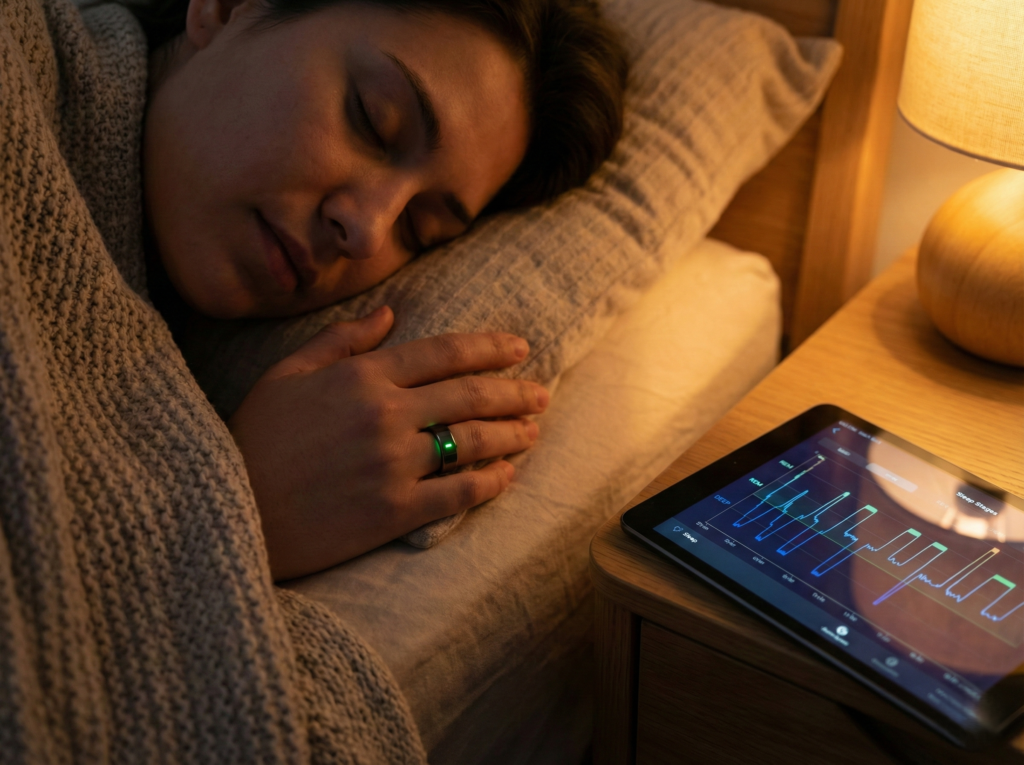
Most consumer sleep trackers estimate sleep quality using a combination of motion sensors, heart rate monitoring, breathing patterns, skin temperature, and overnight physiological trends.
Heart Rate Variability (HRV)
HRV reflects variations between heartbeats and is commonly used as a recovery and nervous system stress indicator.
Resting Heart Rate
Elevated overnight heart rate may correlate with stress, illness, alcohol intake, poor recovery, or sleep disruption.
Sleep Stages
Most devices estimate light sleep, deep sleep, and REM sleep using movement and biometric signals rather than direct brainwave measurements.
Respiratory Patterns
Some wearables track breathing irregularities and overnight oxygen trends associated with sleep quality changes.
Skin Temperature
Temperature trends may help identify circadian rhythm shifts, illness onset, or environmental sleep disturbances.
What Sleep Trackers Get Wrong
Sleep Stage Accuracy Varies
Most wearables estimate sleep stages using algorithms rather than EEG brainwave monitoring used in clinical sleep labs.
Trends Matter More Than Single Scores
Night-to-night fluctuations are normal. Long-term patterns are usually more valuable than individual readiness or sleep scores.
Different Devices Use Different Algorithms
Sleep scores often vary significantly between brands because manufacturers prioritize different physiological signals and scoring models.
Protocol Data
| Technology | Best For | Main Signals | Comfort Level |
|---|---|---|---|
| Smart Rings | Recovery & sleep trends | HRV, temperature, pulse | Excellent |
| Wrist Wearables | General sleep tracking | Motion, HR, sleep stages | Good |
| Under-Mattress Sensors | Passive tracking | Breathing, motion | Excellent |
| EEG Headbands | Sleep stage accuracy | Brainwave activity | Emerging |
| Light Therapy Devices | Circadian support | Light timing exposure | High |
Common Sleep Tracking Mistakes
Obsessing Over Sleep Scores
Constantly checking sleep metrics can increase sleep-related anxiety and negatively affect perceived sleep quality.
Ignoring Circadian Timing
Sleep duration alone is often less important than maintaining stable sleep and wake timing.
Using Devices Inconsistently
Irregular tracking makes it difficult to identify long-term behavioral patterns.
Overlooking Environmental Factors
Room temperature, noise, alcohol, caffeine, and evening light exposure may influence sleep quality more than the tracking device itself.
Current Research on Sleep Tracking
Recent research suggests wearable sleep technology may help improve sleep awareness and behavioral consistency, though consumer devices still vary significantly in clinical accuracy.
Circadian Rhythm Monitoring
Wearables may help users identify irregular sleep timing patterns associated with circadian disruption.
Recovery & Training Load
Athletes increasingly use HRV and recovery metrics to monitor stress, training load, and sleep consistency.
Behavioral Awareness
Tracking often improves sleep habits indirectly by increasing awareness of caffeine intake, bedtime consistency, and nighttime behaviors.
Limitations & Medical Considerations
Sleep tracking devices are not medical diagnostic tools and should not replace professional evaluation for chronic sleep disorders or health concerns.
People experiencing:
- persistent insomnia,
- excessive daytime fatigue,
- breathing irregularities,
- or suspected sleep apnea
should consult a qualified healthcare professional.
Protocol Data
| Goal | Most Useful Metric | Best Device Type |
|---|---|---|
| Recovery Tracking | HRV | Smart Ring |
| Sleep Consistency | Bedtime/Wake Trends | Wearable |
| Passive Monitoring | Breathing & Motion | Under-Mattress Sensor |
| Circadian Support | Light Exposure | Light Therapy Device |
| Sleep Stage Estimation | REM/Deep Sleep Trends | EEG Headband |