Red Light Therapy for Anti-Aging: Does It Actually Reduce Wrinkles?
Key Insights
- Short answer:Yes, with a real mechanism and real timelines — not overnight results. Red and near-infrared light in the 630–850nm range stimulates dermal fibroblasts to increase production of collagen, elastin, and hyaluronic acid — the structural proteins that give skin its firmness. A landmark randomized controlled trial (136 subjects, 30 sessions over 15 weeks) found a mean 29% increase in collagen density measured by ultrasound, with significant improvement in skin complexion in 91% of subjects. Control subjects showed no significant change over the same period.
- Realistic timeline: most people see early changes at 4–8 weeks, structural changes at 8–12 weeks. Skin often looks more “lit up” within the first 1–2 weeks due to increased circulation — that’s real, but it’s not the same as collagen remodeling, which takes longer. Meaningful wrinkle depth reduction typically requires 8–12 weeks of consistent sessions, with continued improvement through 3–6 months as collagen cross-linking matures.
- Wavelength matters more than wavelength count: 630nm (or 633nm) red light targets surface-level fibroblast activity; 830–850nm near-infrared reaches deeper dermal layers. The combination of both is what most clinical protocols use — a mask or panel with only one of the two is working with half the mechanism.
- Consistency outperforms intensity. Research and clinical practice both point the same direction: three shorter sessions per week consistently outperform one long session. The dose accumulates over weeks, not within a single session — which is part of why so many people give up too early and conclude RLT “doesn’t work” for anti-aging.
- The honest context: Compared to invasive procedures (resurfacing lasers, surgical lifts, injectables), RLT’s effects are real but modest — this is a supportive, cumulative tool, not a replacement for more aggressive interventions if that’s what someone needs. It’s also genuinely non-invasive, safe for all skin tones, and has no downtime, which is the actual tradeoff being made.
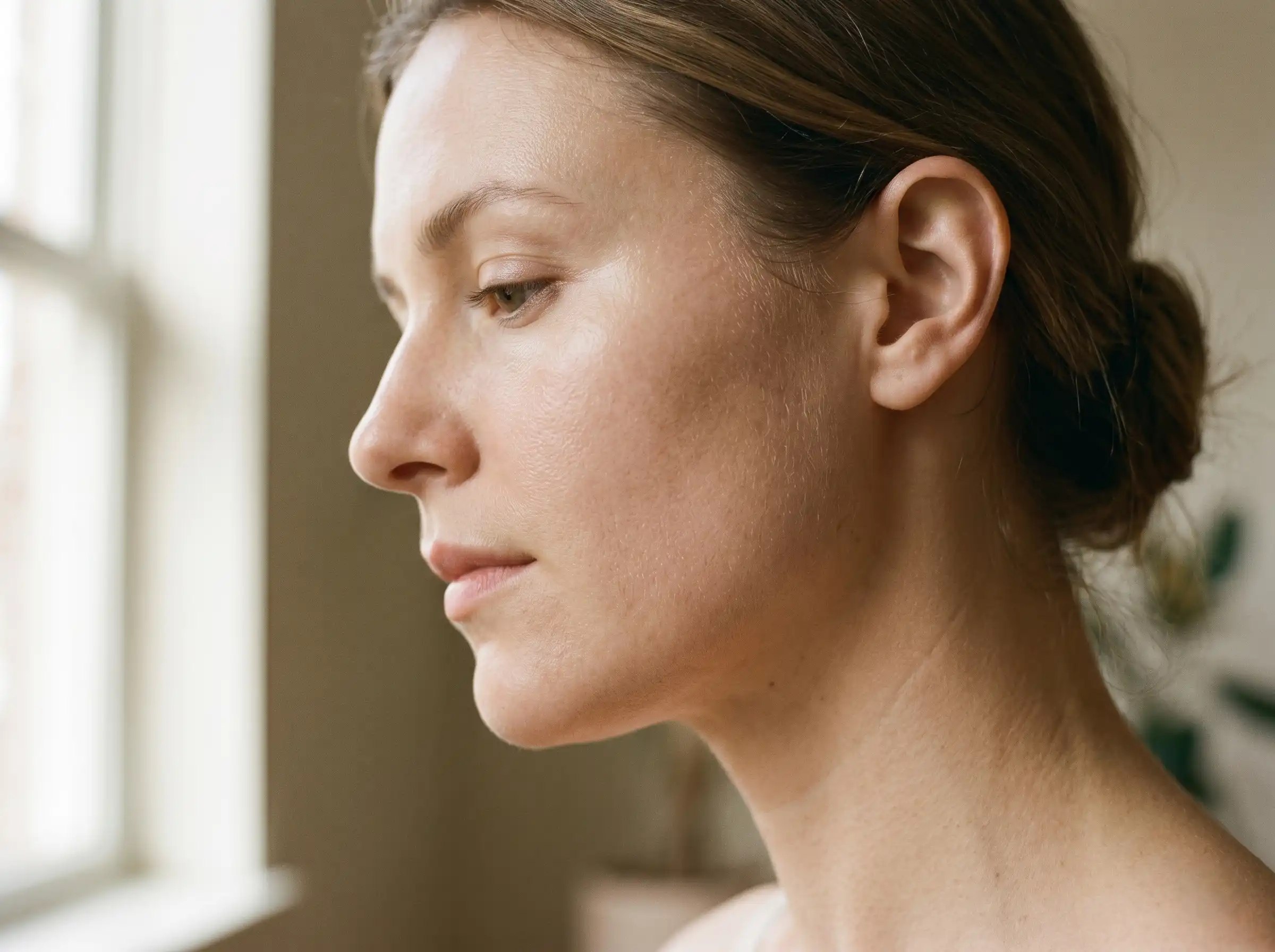
Understanding Red Light Therapy in Practice
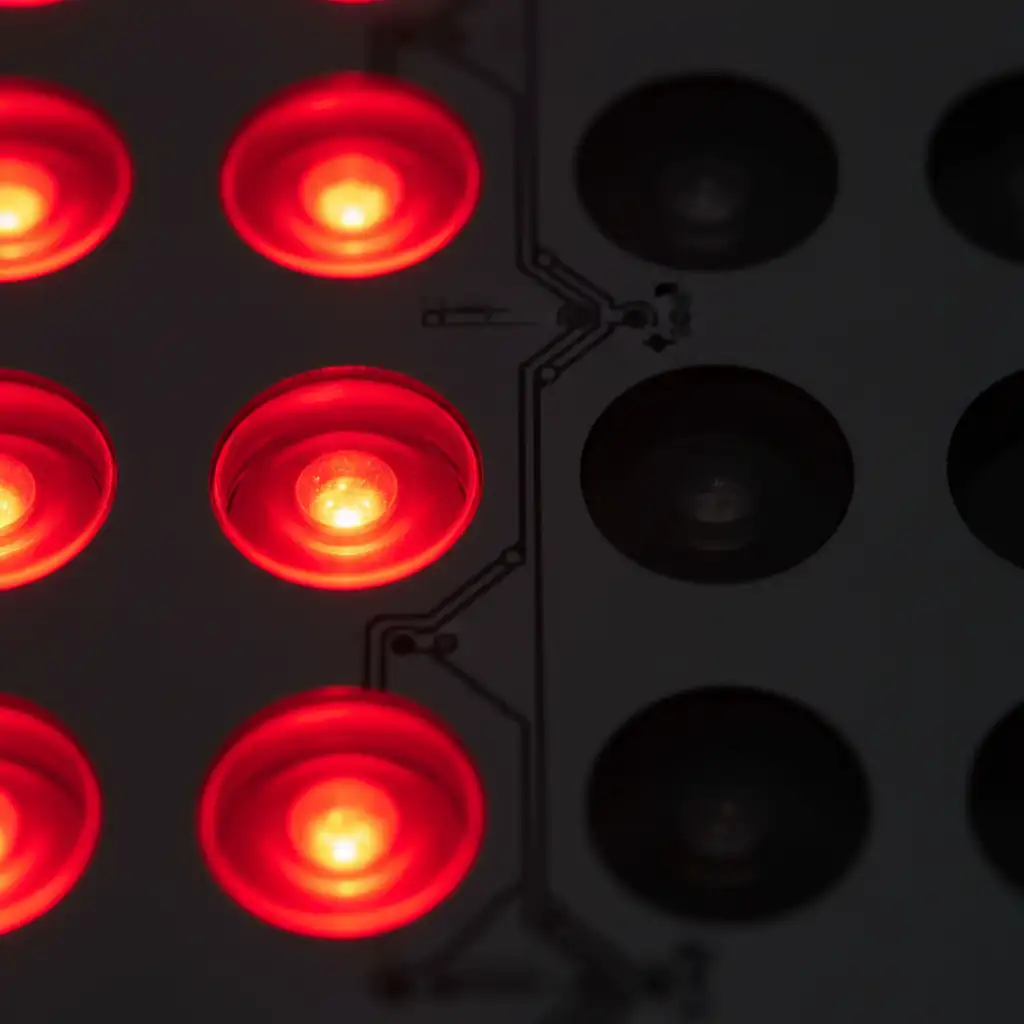
Red light therapy is often discussed in theory, but its real-world application depends on measurable parameters like wavelength and exposure. I tested multiple RLT setups using a professional spectrometer to better understand how the therapy works in practice.
How Red Light Therapy Reduces Wrinkles: The Actual Mechanism
Red light therapy’s anti-aging effect isn’t a single mechanism — it’s a few related processes that compound over weeks of use.
Fibroblast stimulation and collagen synthesis. Light in the 630–660nm range is absorbed by mitochondrial chromophores (primarily cytochrome c oxidase) inside skin cells, which increases cellular energy production. In dermal fibroblasts specifically, this translates into upregulated production of collagen types I and III, along with elastin and hyaluronic acid — the proteins and molecules responsible for skin firmness, structure, and volume. This isn’t a theoretical claim; a 2014 RCT in Photomedicine and Laser Surgery combining 633nm and 830nm light across 30 sessions over 15 weeks measured a mean 29% increase in collagen density via ultrasound, alongside significant gains in skin tone and elasticity, with no significant change in the control group.
Near-infrared depth penetration. While 630–660nm red light works primarily at the skin surface and upper dermis, near-infrared light at 800–850nm penetrates deeper, reaching structural layers where more significant collagen remodeling occurs. This is why most well-designed anti-aging protocols pair both wavelength ranges rather than relying on red light alone — they’re addressing different depths of the same structural problem.
Reduced inflammation. Chronic low-grade skin inflammation is one of the recognized drivers of visible aging — it degrades existing collagen faster than it can be replaced. Photobiomodulation’s anti-inflammatory effects, well-documented across the broader PBM literature, contribute to slowing this degradation alongside actively stimulating new collagen production.
Improved circulation. Within the first sessions, increased local blood flow gives skin a visibly “brighter” or more even-toned appearance — this is real, but it’s a different (and faster) effect than the structural collagen changes that take longer to develop. Understanding this distinction matters for setting realistic week-by-week expectations.
Best Wavelengths for Anti-Aging: What the Research Actually Uses
Not all “red light” is equivalent for anti-aging purposes — the specific wavelength range determines which skin structures are actually being affected.
630–660nm (red light): This range has the most consistent research backing for collagen stimulation at the dermal level. It’s the foundation wavelength in nearly every clinical anti-aging protocol, including the landmark 2014 RCT referenced above.
800–850nm (near-infrared): Penetrates deeper than visible red light, reaching structural layers relevant to more significant collagen remodeling and improved elasticity. Devices combining 660nm + 850nm are addressing both surface and deeper structural mechanisms simultaneously — see the full 660nm vs 850nm comparison for more on how these wavelengths differ in practice.
1072nm (deep near-infrared): A small number of devices use this longer wavelength specifically for deeper anti-aging penetration. It’s a genuine differentiator for pure anti-aging use cases, though it comes at the cost of not addressing other concerns (like acne) that shorter wavelengths can treat simultaneously.
415nm (blue light) — not for anti-aging, but worth knowing: This shorter wavelength targets acne-causing bacteria, not collagen. It’s mentioned here because anti-aging and acne are often treated by overlapping age groups, and a device covering both needs to include this separate wavelength specifically — red/NIR wavelengths alone won’t address active acne.
Device Types: Panel vs Mask for Anti-Aging
This is a real decision point, not just a budget question. A full-body or portable panel and a dedicated face mask aren’t interchangeable for facial anti-aging use, even when they share similar wavelengths.
Face masks are purpose-built for facial contours — they maintain a consistent, close distance to skin across the entire face simultaneously, which matters because irradiance drops significantly with distance. A mask sitting directly against skin delivers a more consistent dose than a panel positioned a foot away, where parts of the face may be slightly closer or farther from the light source.
Panels (full-body or portable) can absolutely be used for facial treatment and are not inferior in wavelength capability — but they require careful, consistent positioning to get even coverage across facial contours, and most aren’t designed with the same ergonomic fit. If you already own a panel for body-wide use (pain, recovery), it can supplement facial treatment, but a dedicated mask is generally the more efficient tool specifically for the face. Full panel vs mask comparison
Best Devices for Anti-Aging: A Quick Comparison
Quick Comparison
| Feature | Valo Glow | CurrentBody LED Mask Series 2 |
|---|---|---|
| Wavelength | 415 + 630 + 850nm + yellow | 633 + 830 + 1072nm |
| Acne treatment | ✅ Yes (415nm) | ❌ No |
| Deepest wavelength | 850nm | 1072nm |
| Price | $240 | $469.99 |
| Warranty | 3 years | Not specified |
| HSA/FSA eligible | ✅ Yes | ❌ No |
The honest tradeoff here: CurrentBody’s 1072nm goes slightly deeper for pure anti-aging penetration, which is a genuine edge if anti-aging is your only concern and budget isn’t a constraint. But for most people, Valo Glow’s combination of 630nm + 850nm anti-aging wavelengths, plus the 415nm acne capability that CurrentBody lacks entirely, at roughly half the price, covers more ground. Full Valo Glow vs CurrentBody breakdown
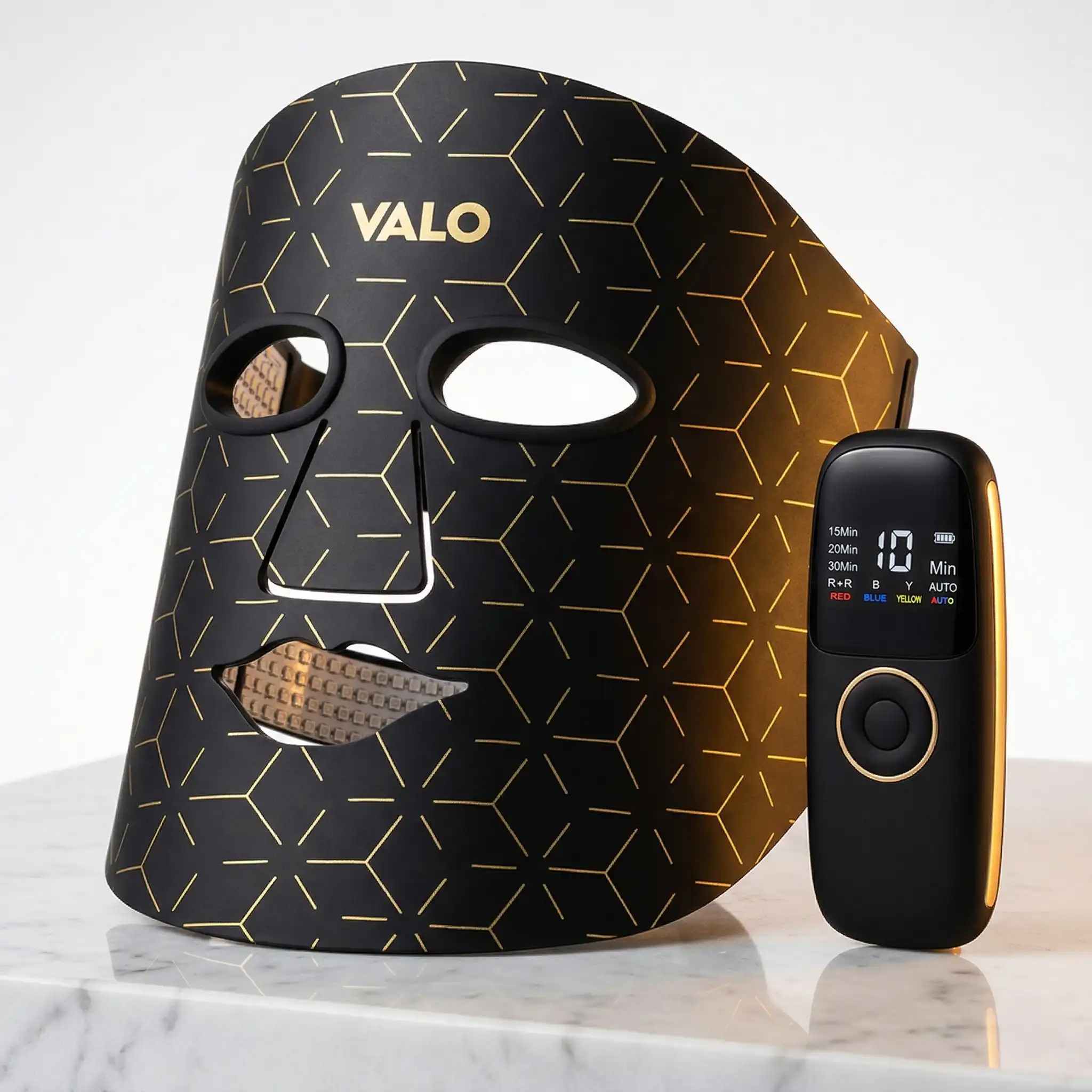
Valo Glow Face Mask
- 630nm + 850nm cover both surface fibroblast stimulation and deeper dermal remodeling
- Only mask under $300 with 4 wavelengths (red, blue, yellow, NIR)
- Adjustable intensity — rare at this price point
- Also treats acne (415nm) — most dedicated anti-aging masks can't
- Longest warranty in class: 3 years
- HSA/FSA eligible — pay pre-tax
- CurrentBody's 1072nm penetrates slightly deeper for pure anti-aging — if acne isn't a concern, that's CurrentBody's one edge
- No published raw irradiance (mW/cm²) spec
Protocol: Frequency, Duration, and Realistic Expectations
Frequency: 3–5 sessions per week is the range most clinical protocols and at-home device guidelines use. Daily use isn’t necessarily more effective and can be harder to sustain long-term — consistency over months matters more than maximum frequency.
Session length: Most devices recommend 10–15 minute sessions. Longer isn’t inherently better once you’re within the therapeutic dose range — going over recommended time doesn’t accelerate collagen synthesis, it just extends a session unnecessarily.
Realistic week-by-week expectations:
- Weeks 1–2: Skin often looks more even-toned or “brighter” due to increased circulation. This is real but is a circulation effect, not collagen remodeling yet.
- Weeks 3–4: Early texture improvements may become noticeable.
- Weeks 5–8: Fine lines may start to visibly soften as collagen synthesis accumulates.
- Weeks 8–12: This is where the clinical research shows the most significant structural changes — measurable collagen density increases, improved elasticity, and reduced wrinkle depth.
- Months 3–6: Continued collagen maturation and cross-linking; this is typically where the most visible cumulative results appear.
The single biggest factor in whether someone gets results isn’t the device — it’s whether they stay consistent through the 8–12 week mark, which is exactly when many people give up because early changes feel subtle. Full dosing guide
What stands out: The 2014 RCT (136 subjects, 91% improved complexion, 29% collagen density increase) is one of the more rigorous anti-aging PBM studies — actual ultrasound measurement of collagen density, not just self-reported satisfaction. That’s a meaningfully higher bar of evidence than most skincare claims clear, and it’s worth knowing that bar exists when evaluating less rigorous marketing claims elsewhere.
The one thing I’d want to see more of: Longer-term (6-month+) follow-up studies tracking whether collagen gains are maintained with reduced maintenance frequency, or whether they regress without continued use. Most current research focuses on the initial 8–16 week treatment window, not what happens after.
Frequently Asked Questions
How long until wrinkles improve with red light therapy?
Most people see early circulation-related changes (brighter, more even tone) within 1–2 weeks, but structural changes — measurable wrinkle depth reduction and collagen density increase — typically take 8–12 weeks of consistent sessions. A landmark RCT measuring this with ultrasound found significant collagen density increases after 30 sessions over 15 weeks. Expecting visible wrinkle reduction in the first few sessions sets an unrealistic bar relative to how collagen remodeling actually works.
Does red light therapy work better than retinol?
They work through different mechanisms and aren’t directly interchangeable. Retinol accelerates skin cell turnover and has a large, well-established body of dermatological research behind it. Red light therapy stimulates collagen production through a separate photobiomodulation pathway with its own clinical support. Many dermatologists view them as complementary rather than competing — they’re not mutually exclusive, and using both isn’t contraindicated for most people.
Can you combine red light therapy with skincare actives?
Generally yes, though timing matters. Most guidance recommends using RLT on clean, bare skin for maximum light penetration, then applying serums and moisturizer afterward — increased post-session circulation can improve product absorption. Avoid using retinol or other photosensitizing actives immediately before a session, since this isn’t well-studied and the conservative approach is to separate them.
Is red light therapy better than a more invasive procedure like laser resurfacing?
They’re not really comparable in the same category — RLT’s effects are real but more modest, while laser resurfacing produces more dramatic results with actual downtime and higher risk. RLT is genuinely non-invasive, safe for all skin tones, and has no recovery period, which is a real advantage for people who want a sustained, low-risk approach rather than a single more intensive intervention.
Do LED face masks actually deliver enough light to matter for anti-aging?
This depends entirely on the specific device’s wavelength accuracy and irradiance — not all masks marketed for anti-aging are equivalent. A mask using the clinically-relevant 630nm + 850nm combination at adequate intensity, used consistently for 8+ weeks, aligns with what the research protocols actually used. A mask with unverified specs or insufficient power may not deliver a therapeutic dose regardless of session length.
Sources
Photobiomodulation and Photodynamic Therapy Using Red LED Light in Dermatology: A Narrative Review
Evidence-based consensus on the clinical application of photobiomodulation
Mechanisms and applications of the anti-inflammatory effects of photobiomodulation
Photobiomodulation: A Systematic Review of the Oncologic Safety of Low-Level Light Therapy for Aesthetic Skin Rejuvenation