Red Light Therapy Results Timeline: When to Expect Real Change (by Goal)
Key Insights
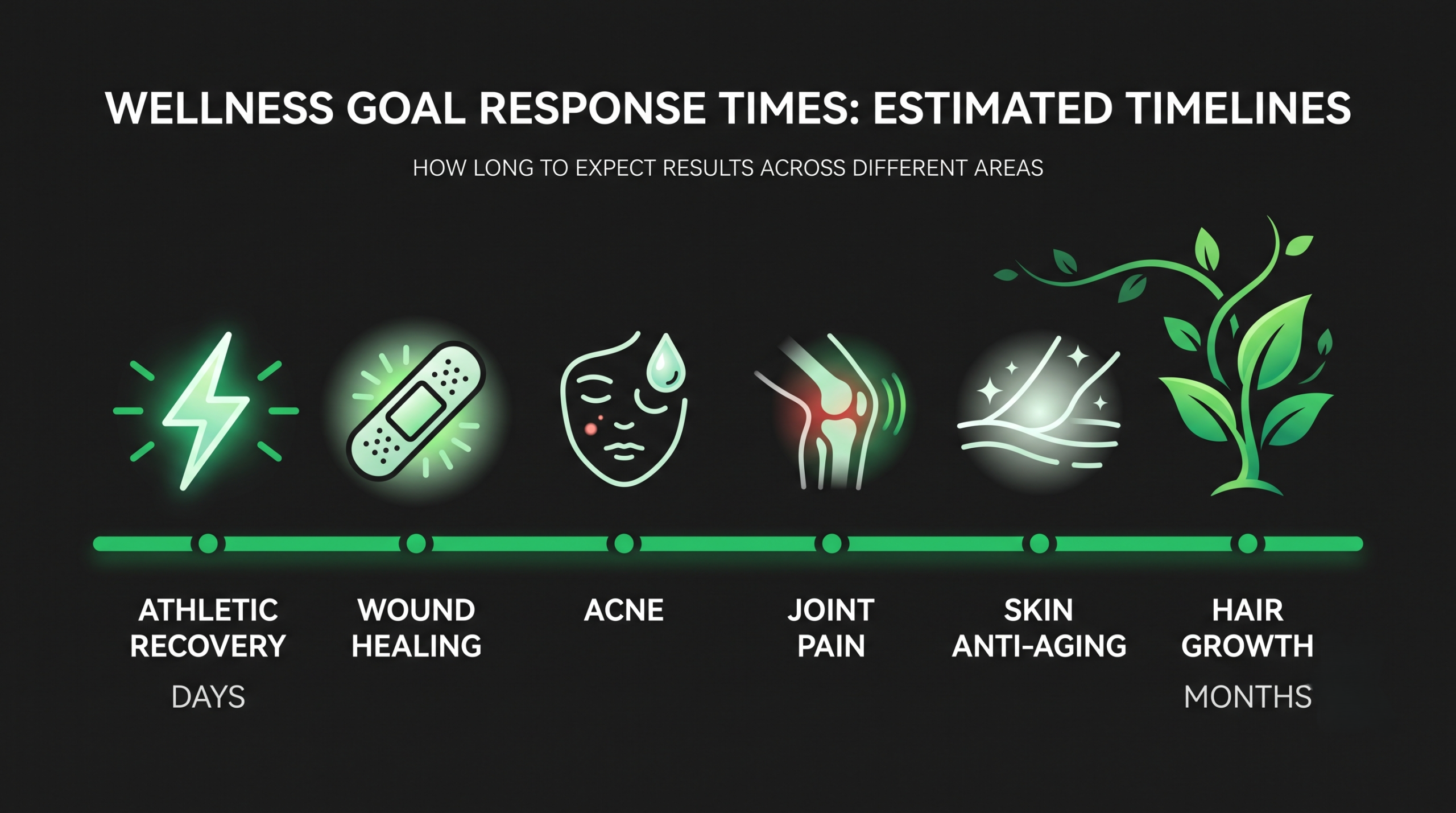
- There is no single timeline — biology works at different speeds for different goals. Athletic recovery responds within 24–72 hours per session. Chronic joint pain shows meaningful change at 4–8 weeks. Skin anti-aging takes 8–12 weeks minimum. Hair growth requires 16–24 weeks. Using the same timeline expectation across different goals is the most common reason people conclude “it didn’t work” — they gave a 12-week goal a 4-week window.
- “First signs” and “meaningful change” are not the same thing. Most people see subtle early indicators (better sleep, slightly smoother skin texture, marginally less soreness) weeks before visible, measurable changes appear. Recognizing these early signals matters — they’re confirmation the protocol is working, not the result itself.
- The device determines whether any timeline applies at all. A panel without verified wavelength and irradiance data may never reach the therapeutic threshold the clinical timelines are based on. Every study that produced the results in the table below used specific, measurable doses. An underpowered or wrong-wavelength device doesn’t fail slowly — it fails the same way regardless of how many weeks you use it.
- Consistency over the full window matters more than any individual session. Clinical trials showing results at 8 weeks used 3–5 sessions per week for that entire period — that’s 24–40 sessions total, not occasional use. Missing weeks resets cumulative signal, not just individual days.
- The honest context: This page is a reference tool, not a guarantee. Biological variation means some people see results faster or slower than the ranges shown. The timelines reflect what controlled studies found across populations — your personal timeline may differ by a few weeks in either direction. What the research is consistent about: no application shows meaningful results without sustained use past the 3-week mark. There are no legitimate 1-week transformations in the PBM literature.
Understanding Red Light Therapy in Practice
Red light therapy is often discussed in theory, but its real-world application depends on measurable parameters like wavelength and exposure. I tested multiple RLT setups using a professional spectrometer to better understand how the therapy works in practice.
The Master Timeline Table: Every Goal, Every Phase
This is the reference most people are looking for. Each row reflects what controlled clinical research found — not marketing copy, not anecdotes. Links within the table go to the full breakdown for that goal.
Protocol Data
| Goal | First Signs | Meaningful Change | Plateau | Maintenance Frequency |
|---|---|---|---|---|
| Athletic recovery | 24–72 hrs per session | Week 2–3 cumulative | Ongoing per session | Every training day |
| Acute pain / injury | Session 1–3 | Week 1–2 | Week 3–4 | Daily during acute phase |
| Chronic joint pain | Week 2–3 | Week 4–6 | Week 10–12 | 3–4×/week |
| Tendonitis | Week 2–3 | Week 5–7 | Week 10–14 | 4–5×/week |
| Back pain (chronic) | Week 2–4 | Week 5–8 | Week 10–12 | 3–5×/week |
| Acne | Week 3–4 | Week 6–8 | Week 10–12 | 3–4×/week |
| Rosacea | Week 4–6 | Week 8–10 | Week 12+ | 3×/week |
| Skin anti-aging / wrinkles | Week 4–6 | Week 8–10 | Week 12–16 | 3–4×/week |
| Scars / stretch marks | Week 6–8 | Week 10–14 | Week 16–20 | 3×/week |
| Hair growth | Week 8–12 (shedding slows) | Week 16–20 | Week 24–28 | 4–5×/week |
| Sleep / circadian support | Night 1–3 | Week 2–4 | Ongoing | Nightly |
| Wound healing | Day 3–7 | Week 1–3 | Week 2–5 | Daily |
All timelines assume: device with verified 660nm and/or 850nm output, correct treatment distance, session frequency as specified. See dosing guide for dose calculation by goal.
Skin Goals: What Actually Changes and When
Skin applications are where expectations and reality diverge most — partly because “before and after” photos in marketing are almost never controlled, and partly because the changes that happen first (texture, firmness) are harder to see than the changes that come later (fine lines, tone).
Anti-aging and wrinkles
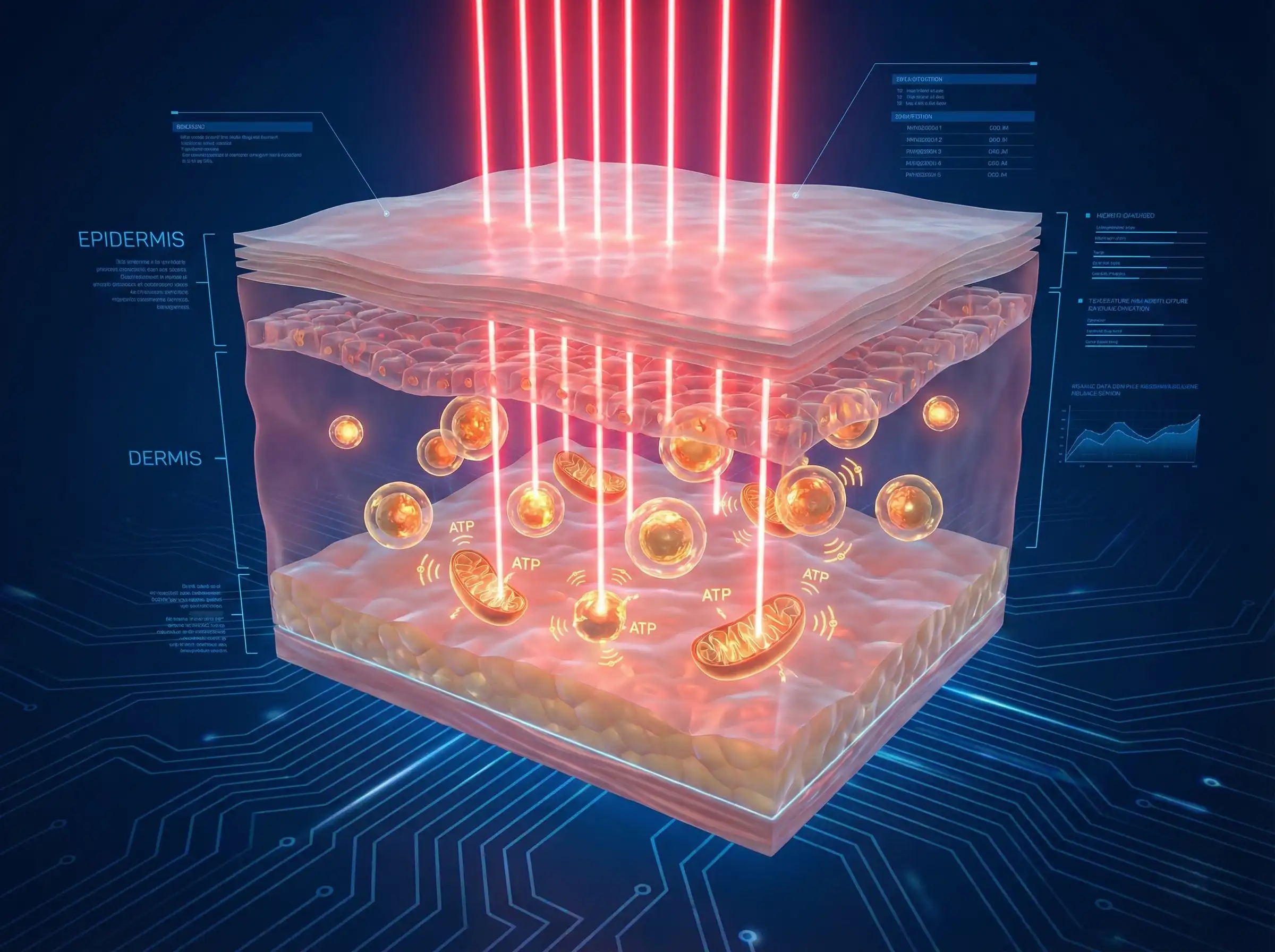
The foundational mechanism is fibroblast stimulation driving collagen and elastin synthesis — a process that takes weeks to produce measurable dermal changes, and additional weeks for those dermal changes to reach the skin surface as the epidermis turns over (28–40 day cycle depending on age).
The landmark 2014 RCT combining 633nm and 830nm across 30 sessions over 15 weeks found a mean 29% increase in collagen density by ultrasound and 91% of participants showing improved skin complexion in the treatment group versus no significant change in controls. The key detail: the ultrasound measured collagen below the skin surface weeks before it was visible above it. Early texture improvement (week 4–6) is happening in the dermis before the surface catches up.
What to actually watch for: Skin feeling smoother when washing face (week 4–6). Makeup applying more evenly. Pore appearance slightly reduced. Fine lines softer at rest rather than expression (week 8–10). Visible tone improvement and wrinkle depth reduction (week 10–12). See full anti-aging guide
Acne
Blue light (415nm) works through a bactericidal mechanism against C. acnes — distinct from the collagen pathway and faster-responding because it’s reducing an active biological burden rather than building new tissue. Red light (633nm) simultaneously reduces sebaceous gland activity and local inflammation.
A 2025 clinical study (JCAD) evaluating combined 415nm/633nm phototherapy found statistically significant lesion reduction beginning at week 4, continuing through week 7 of treatment. A 12-week study showed continued improvement through the full course. The acne timeline is quicker than anti-aging because you’re reducing something (bacteria, inflammation) rather than building something (collagen).
What to actually watch for: Fewer new breakouts per week (week 3–4). Existing inflammatory lesions resolving faster than usual (week 4–5). Noticeable reduction in active lesion count (week 6–8). See full acne guide
Rosacea
The mechanism here is anti-inflammatory rather than antibacterial or collagen-building — PBM downregulates the pro-inflammatory cytokines (TNF-α, IL-6, IL-8) and vascular factors associated with rosacea. A <cite index=”22-1″>2025 systematic review specifically on PBM and rosacea confirmed anti-inflammatory pathway effects and extracellular matrix remodeling, while honestly noting that direct clinical data on PBM for rosacea specifically is still limited</cite> compared to other skin applications. This matters for expectation-setting: rosacea is one of the applications where treatment is most protocol-dependent and results most variable.
What to actually watch for: Flushing episodes slightly less intense (week 4–6). Baseline redness reduced when not flushing (week 6–8). Visible reduction in erythema and texture in photos (week 8–12). See full rosacea guide →
Pain and Recovery: Two Very Different Timelines
Pain applications split into two mechanistically distinct categories with very different timelines — and treating them as one is a common source of confused expectations.
Acute pain and injury (days, not weeks)
When tissue is acutely injured — a muscle strain, a fresh sports injury, post-surgical inflammation — the body is already in high-priority repair mode. Photobiomodulation accelerates this existing process rather than initiating something from baseline. The anti-inflammatory effect of 850nm NIR begins within hours of application and is measurable within the first few sessions.
This is the category where RLT behaves most like an acute intervention rather than a cumulative protocol. Use it daily during the acute phase (first 1–2 weeks), and expect meaningful pain reduction within the first week rather than at week 6. See how to use RLT at home
Chronic pain (weeks of sustained protocol)
Chronic joint pain, tendinopathy, and persistent back pain have a fundamentally different timeline because the tissue is in a sustained inflammatory and often structurally compromised state. Enough anti-inflammatory signal has to accumulate to shift a baseline that took months or years to establish.
Multiple systematic reviews on knee pain, tendinopathy, and chronic lower back pain consistently show initial measurable improvement at 3–4 weeks, meaningful functional change at 5–8 weeks, and maximum benefit at 10–12 weeks of 3–5 sessions per week. Stopping treatment at week 4 “because it’s not working” — precisely when early improvement begins — accounts for a significant share of “failed” protocols.
What to actually watch for: “Better days” becoming more frequent — baseline pain stable rather than consistently high (week 2–3). Pain scores consistently lower by 20–30% on a 0–10 scale (week 4–6). Functional improvement: fuller range of motion, less stiffness on waking (week 6–10). See knee pain, tendonitis, back pain for condition-specific protocols.
Athletic recovery (per-session, not cumulative)
This is the one application where “before and after” works per session rather than across weeks. The relevant metric is DOMS severity the day after a hard training session, and readiness to train again. Meta-analyses on PBM for exercise recovery find 20–30% reduction in DOMS and lower creatine kinase levels within 24–72 hours when applied post-workout.
Unlike skin and chronic pain applications, this benefit doesn’t accumulate into something structurally different — it resets each training session. The upside is that it’s the fastest-responding application. The nuance is that if you don’t train for two weeks, you lose the recovery benefit but not a “bank” of improvement you’d built. See athletes recovery guide →
Hair Growth: Why It Takes Longer Than Everything Else
Hair growth deserves its own explanation because the timeline — 16–24 weeks minimum for visible results — is the one most likely to cause people to abandon a protocol that’s actually working.
The reason is biological: hair follicles operate on a growth cycle (anagen → catagen → telogen) that typically spans months per phase. Photobiomodulation works by stimulating follicles in the telogen (resting) phase back toward anagen (active growth) and increasing the duration of the anagen phase. This is a real, FDA-cleared mechanism in multiple devices — but because you’re waiting for follicles to complete a cycle transition and for the new hair shaft to grow to visible length, the timeline is unavoidably long.
A well-cited multicenter RCT (24 weeks, 655nm, 3×/week) found a 37% increase in hair count per cm² at 26 weeks. Notice what’s not there: meaningful results at week 8 or 12. What participants noticed earlier was reduced shedding (week 8–12) — not new growth, but less loss — which is the first measurable signal that follicle activity is changing.
What to actually watch for: Less hair in the shower drain (week 8–12). Hair appearing slightly fuller in density, not yet in length (week 14–18). Visible increase in hair count and shaft thickness (week 20–26). FDA-cleared devices for this application are specifically calibrated for hair follicle depth — verify your device is appropriate for this use case. See full hair growth guide →
Why Results Vary Between People Using the Same Protocol
Two people can use the same device, same frequency, same duration, and see results 4–6 weeks apart. Understanding why prevents premature abandonment when you’re a slower responder.
Device output vs stated specs
This is the factor most people don’t check. Manufacturer-stated irradiance (mW/cm²) is often measured at the closest recommended distance under ideal conditions. At your actual treatment distance — which may be 2–4 inches further than the stated spec distance — delivered irradiance drops significantly (following the inverse square law). The threshold below which no meaningful photobiomodulation occurs is real. A device delivering sub-therapeutic irradiance at the distance you’re using it won’t produce results at any timeline. See dosing guide and glossary: irradiance for how to calculate your actual dose.
Age and baseline cellular efficiency
Mitochondrial function declines with age, and since photobiomodulation works through mitochondrial stimulation, older cells respond to the same photon dose more slowly than younger cells. This doesn’t mean RLT doesn’t work for older users — it does — but it partly explains why a 55-year-old might need week 10–12 to see what a 35-year-old sees at week 8.
Baseline inflammatory load
Higher chronic systemic inflammation — from stress, poor sleep, metabolic dysfunction, or existing health conditions — creates a higher threshold for anti-inflammatory effects to become visible. It’s not that the photobiomodulation isn’t working; it’s that more anti-inflammatory signal is needed before the cumulative effect rises above baseline noise. This is also why sleep quality and frequency consistency affect results — both reduce the baseline inflammatory load that RLT has to overcome.
Starting condition
Someone treating mild, early-stage skin aging sees proportionally faster visible improvement than someone treating severe photoaging — the same biological response represents a larger percentage improvement from a better starting point. Conversely, severe starting conditions may eventually show more dramatic total improvement, just over a longer timeline.
Signs RLT Is Not Working (and What to Do)
There’s a difference between “not working yet” (still within the expected timeline) and “genuinely not working” (something structural is wrong with the protocol). Here’s how to tell them apart.
You’re still within the expected window → stay the course
If you’re treating a skin goal and you’re at week 6, the table above shows you’re before meaningful change and within normal first-sign range. This isn’t “not working” — this is the normal timeline. Comparing week 6 results to the final outcome shown in marketing photos is not a fair comparison.
These are the actual signs something is wrong:
Wrong wavelength for your goal. 660nm red light doesn’t penetrate deep enough for joint or muscle applications — those require 850nm NIR. A 660nm-only device used for chronic knee pain will show no results at any timeline because the light isn’t reaching the target tissue. Check 660nm vs 850nm guide
Treating through clothing. The research is definitive on this — light must reach bare skin to produce photobiomodulation. Fabric reduces delivered irradiance by 50–90% depending on color and density. Check can RLT work through clothes
Inconsistent use with large gaps. Gene expression changes from each session are temporary — they fade without reinforcement. A week on, a week off pattern doesn’t allow cumulative signal to build. See frequency guide
Underdosing. If your device outputs lower irradiance than verified by third-party testing, your sessions may be below the therapeutic threshold regardless of duration. See dosing guide
Past the full protocol window with perfect adherence. If you’ve been 3–5 sessions/week for 16+ weeks for a skin goal with a verified device and correct wavelength, and see genuinely zero change — neither visible nor felt — you may be a non-responder for that specific application. This is rare but real. See common mistakes guide
Why this page exists alongside the how-long page: The existing how-long guide is built around the question “why does it take this long” — it goes deep into cellular mechanisms, gene expression phases, protein synthesis timelines. This page is built around a different question: “I have a specific goal, when will I see results for that?” Different people at different stages of the decision need different formats.
What I’ve seen repeatedly in practice: The gap between “first signs” and “meaningful change” is where people quit. Week 4–6 for skin goals has the highest dropout rate because there’s often nothing visible yet — but this is exactly when dermal collagen is being synthesized, and discontinuing here is equivalent to planting seeds and pulling them up before they germinate. The table above exists specifically to give people a reference point so they know week 5 silence is normal, not failure.
The one variable I underestimated when I started: How much the baseline inflammatory state matters for timeline. During periods of high stress, poor sleep, or dietary patterns driving systemic inflammation, my own results came in slower — same device, same protocol. Addressing the inputs that drive inflammation (sleep first, always) makes RLT work faster, not just better. The sleep cluster on this site exists partly because of this connection.
The Right Device Depends on Your Goal
One of the most common mismatches: using a face-only mask for pain applications, or a portable handheld for full-body anti-aging. Device format matters for whether the timeline in the table above actually applies to you.
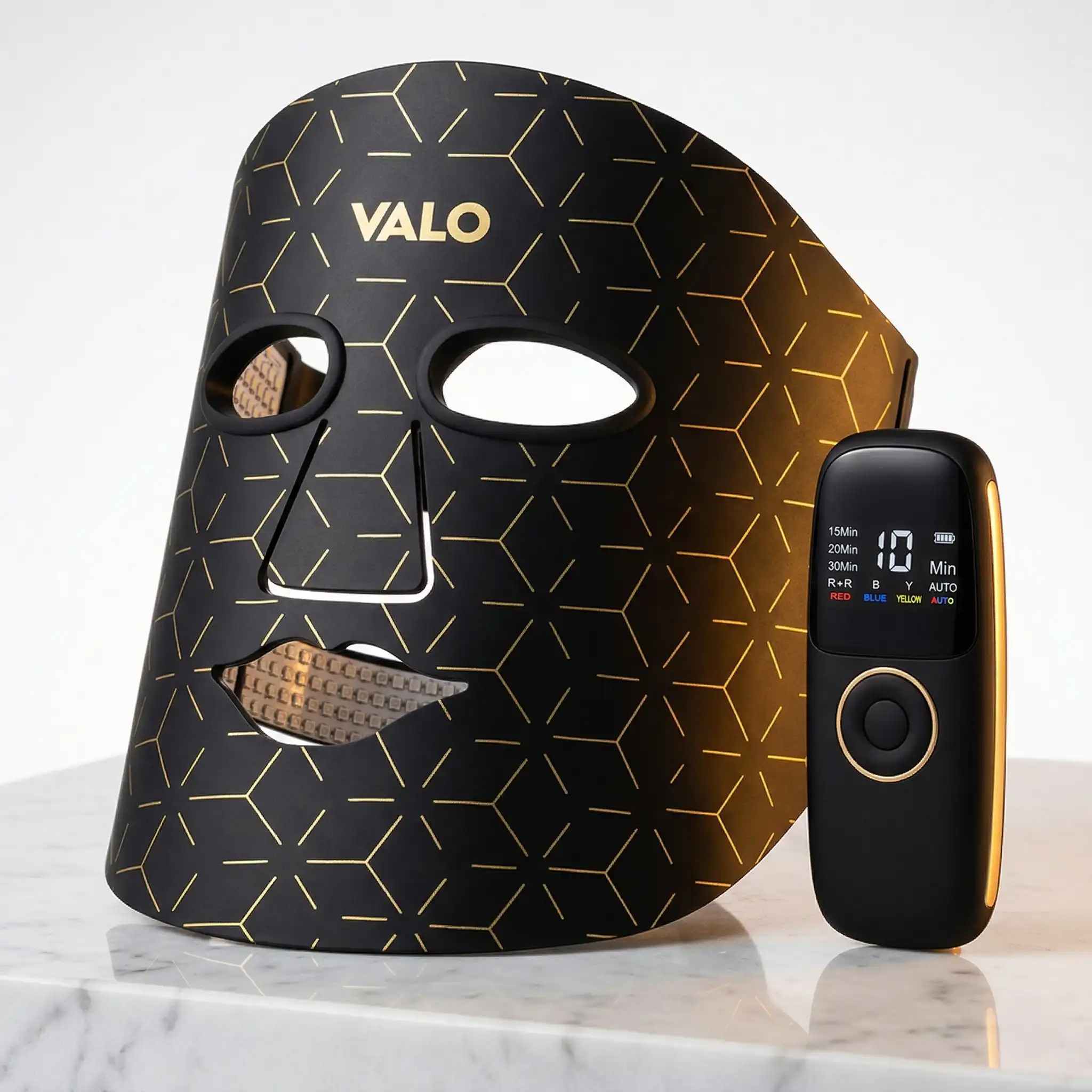
For skin goals (anti-aging, acne, rosacea)
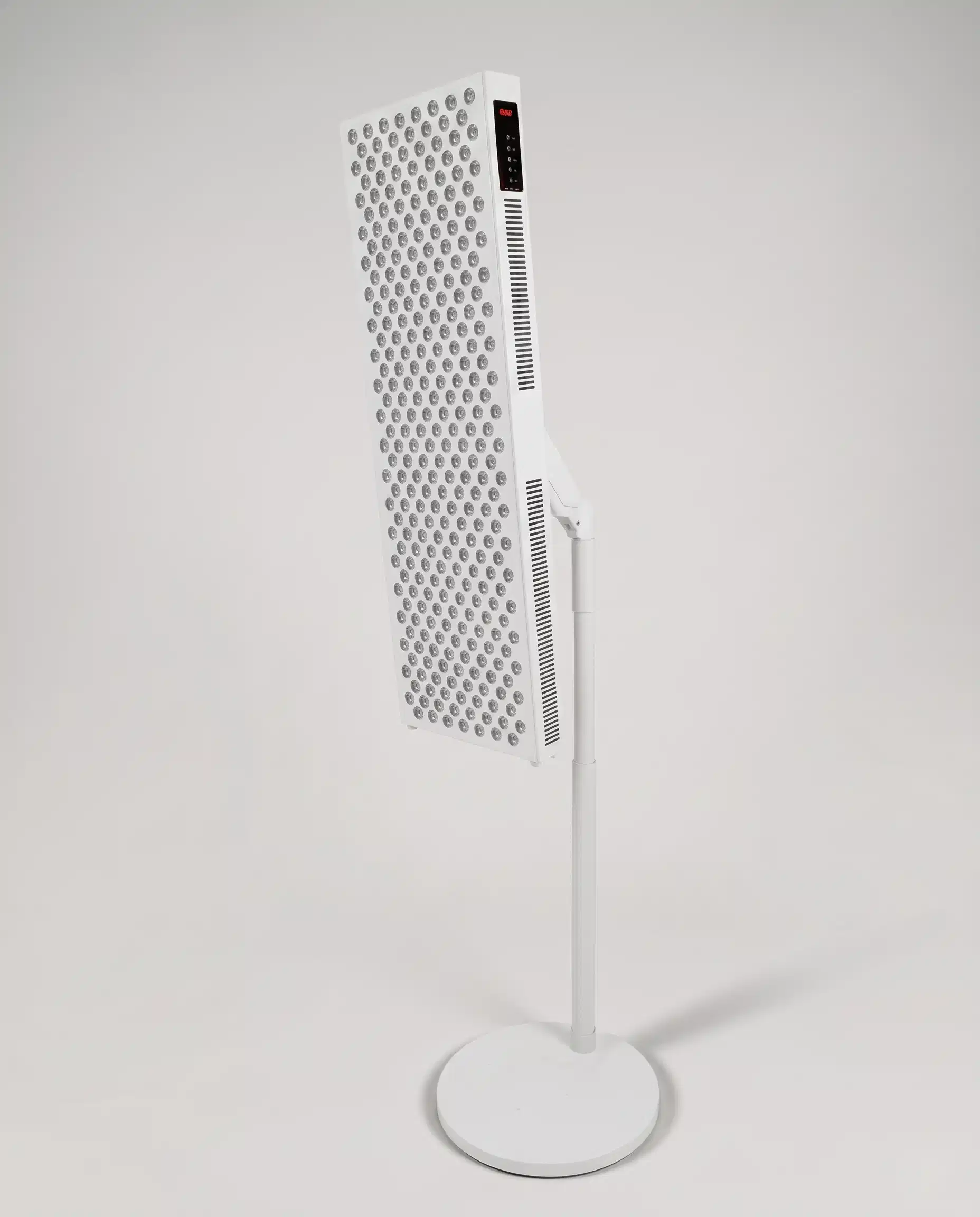
For full-body pain and recovery
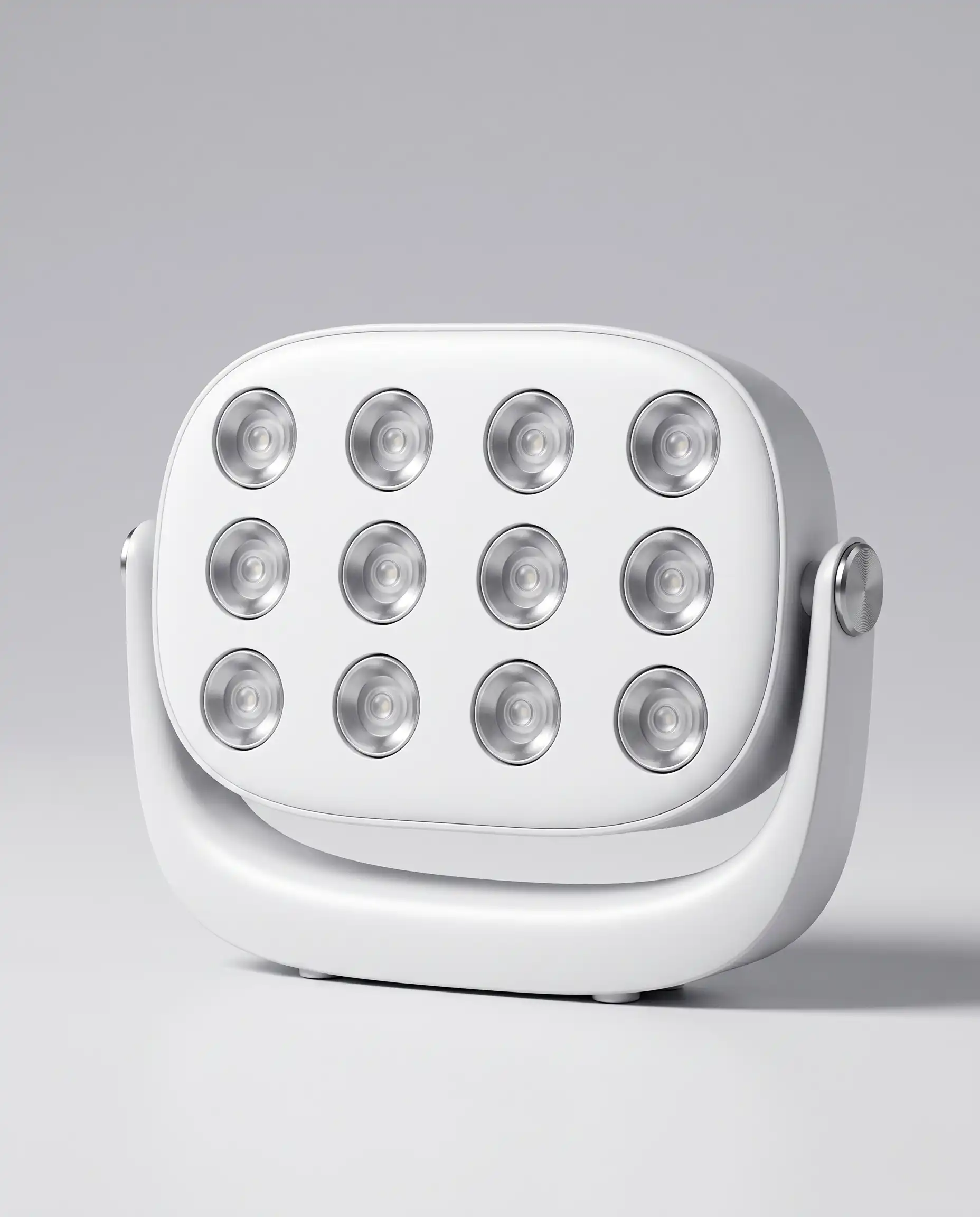
For targeted joints, single-area treatment, or starting out
Frequently Asked Questions
Why am I not seeing results after 2 weeks?
Because almost no application in the PBM literature produces visible, meaningful results before week 3–4 at minimum — and most require 6–12 weeks. Two weeks of sessions means your cells have had approximately 6–10 exposures, which is enough to initiate biological changes but not enough for those changes to manifest as visible or felt outcomes. Check the table at the top of this page for your specific goal’s “first signs” window — if you’re inside that window, the protocol is working; you’re not at the visible-result phase yet.
How do I know if my device is strong enough to produce results on this timeline?
Check for published irradiance data (mW/cm²) at a specific treatment distance. Calculate your actual dose using: irradiance × session duration in seconds ÷ 1000. Target range for most applications is 4–10 J/cm². If your device doesn’t publish irradiance data, you can’t verify whether you’re in the therapeutic range — which means the timelines in this table may not apply to your sessions. The dosing guide covers this calculation step by step.
Do results go away when you stop red light therapy?
For structural applications (skin anti-aging, chronic pain management), results gradually diminish after stopping — they don’t disappear overnight. Collagen has a natural turnover rate; the dermal density you built declines over 3–6 months after discontinuing treatment. For session-based applications (athletic recovery), the benefit is per-session and doesn’t persist meaningfully beyond the session window. Most people find 2–3 maintenance sessions per week sustains results achieved during the treatment phase.
Can results come faster with daily use?
For most goals: slightly faster, not dramatically faster. The gap between 3×/week and 7×/week outcomes in clinical research is smaller than the gap between 1×/week and 3×/week. The minimum effective frequency (roughly 3× per week for cumulative goals) matters far more than maximizing frequency above that threshold. The exception is acute pain or wound healing, where daily use during the acute phase does meaningfully accelerate the timeline versus every-other-day use.
Why does hair growth take so much longer than everything else?
Because you’re waiting for two separate biological events: a follicle to transition from resting phase back to active growth phase (which happens on a cycle measured in months), and then the new hair shaft to grow to visible length (which happens at roughly 1 cm per month for scalp hair). PBM initiates the follicle transition and extends the growth phase — but it can’t compress the time it takes for hair to physically grow out of the follicle. The 16–24 week minimum is the biological minimum given how hair grows, not a limitation of the therapy.
SOURCES
Evidence-based consensus on the clinical application of photobiomodulation
A 7-Week, Open-Label Study Evaluating the Efficacy and Safety of 415nm/633nm Phototherapy for Treating Mild-to-Moderate Acne
Effectiveness of Photobiomodulation Therapy in the Management of Fibromyalgia Syndrome
Mechanisms and applications of the anti-inflammatory effects of photobiomodulation