Valo Halo Red Light Bed Review: Is $17,000 Worth It? (2026)
Quick Verdict
Valo Halo is a full-body 360° red light therapy bed delivering 625nm + NIR photobiomodulation in 15-minute passive sessions. For med spas and clinics, the ROI is clear. For serious individual buyers who’ve validated a panel protocol — it’s the ceiling of consumer RLT. For everyone else: start with Valo Blaze.
What the Valo Halo Actually Is
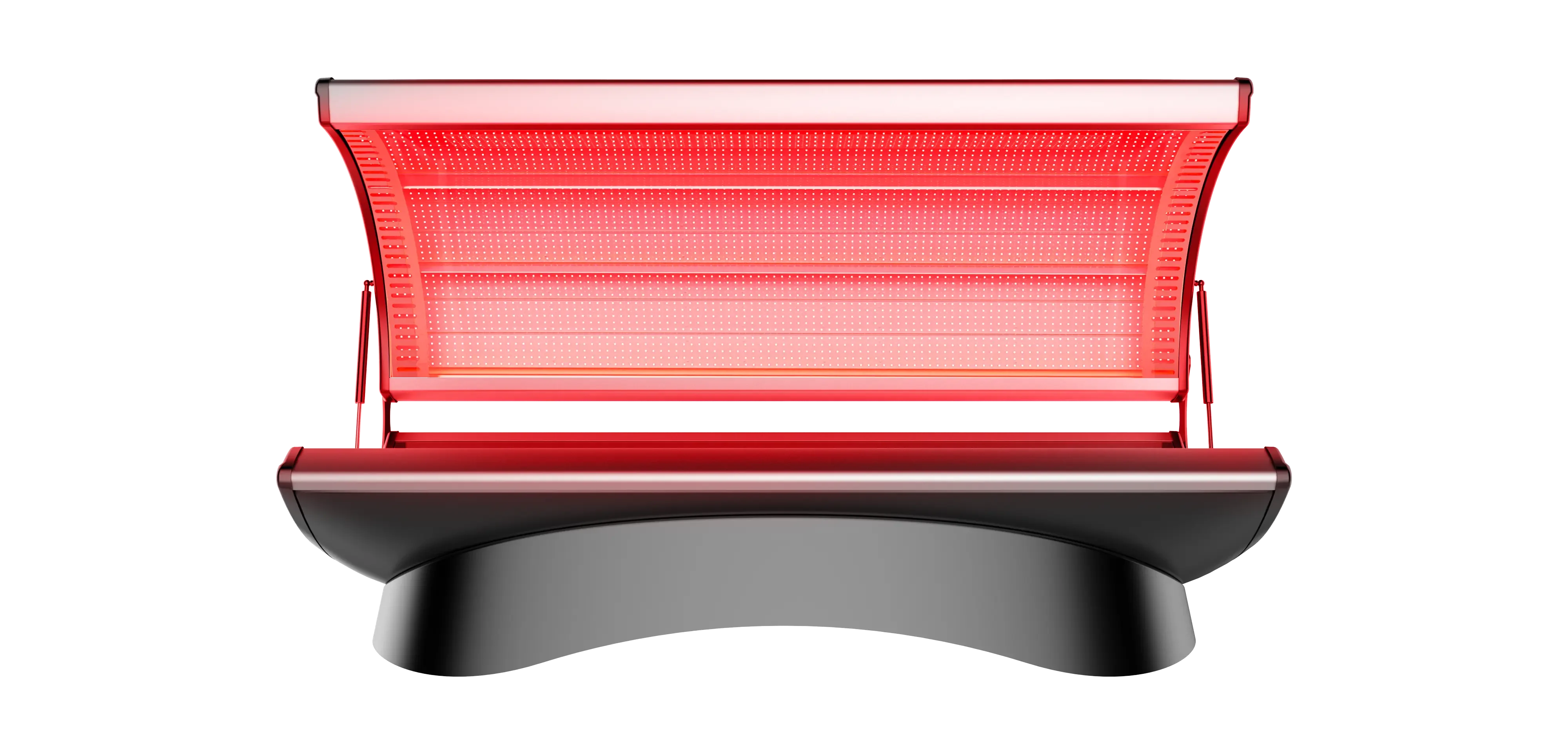
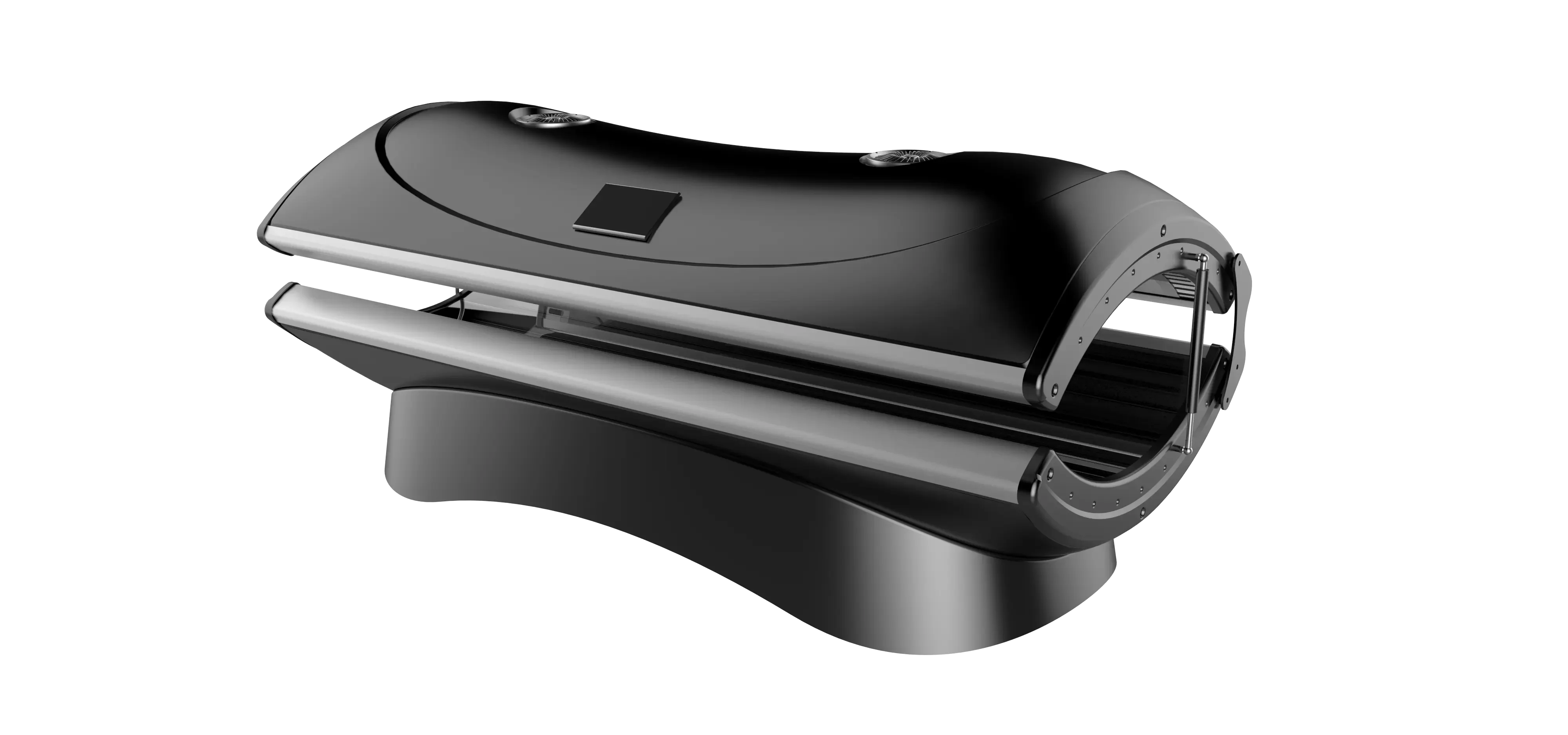
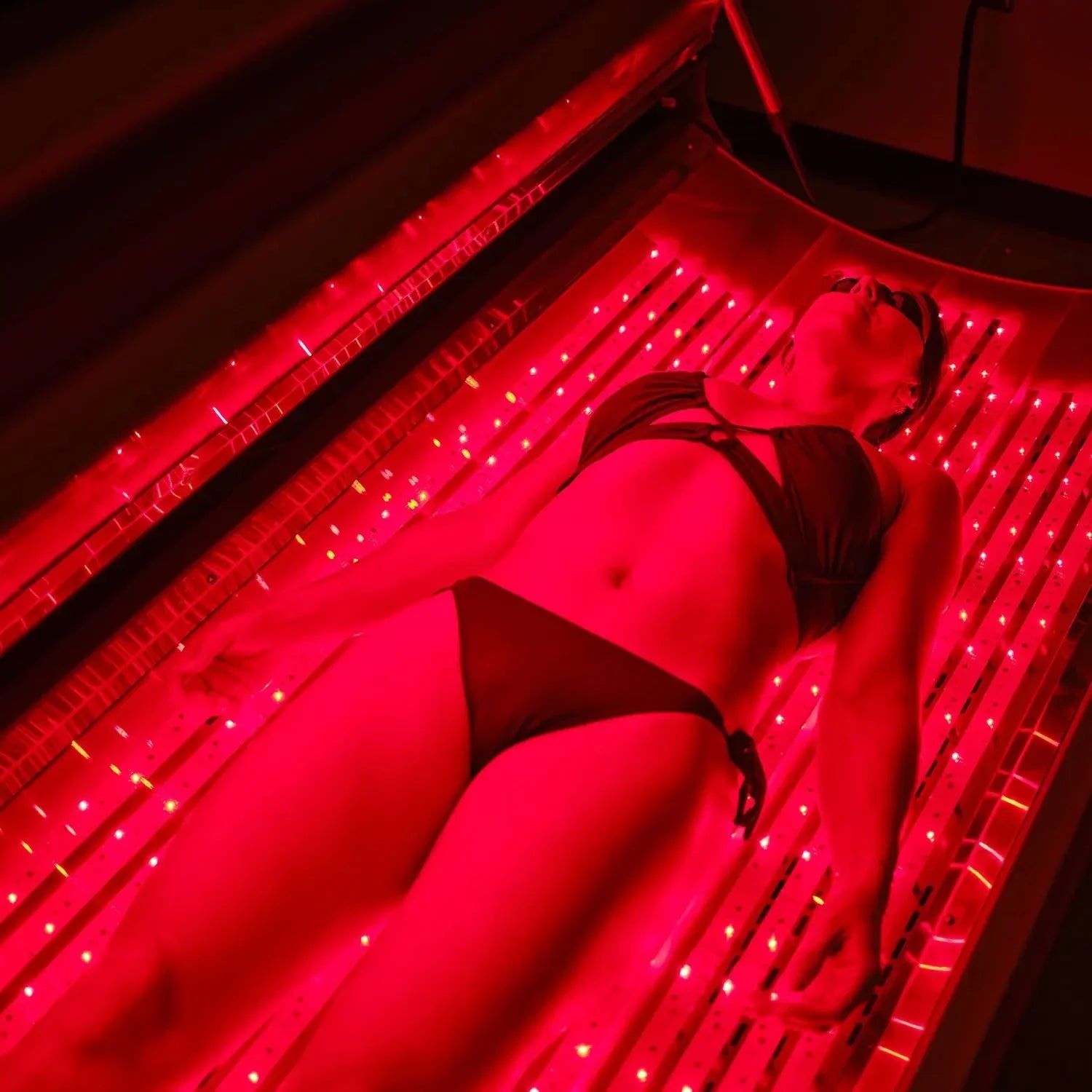
The Halo is a full-body red light therapy bed — a clamshell device you lie inside while 625nm red and near-infrared LEDs deliver photobiomodulation from above, below, and the sides simultaneously. Every surface of your body receives therapeutic photons at the same time. You lie still for 15 minutes. That’s the entire protocol.
This is fundamentally different from a standing panel — not an incremental upgrade. A panel treats the surfaces facing it. A bed treats all surfaces at once. No repositioning. No zone management. No standing. The format difference is the product.
At $16,999, the Halo sits in the professional and serious consumer crossover category — med spas, elite athletic facilities, biohacking centers, and individuals for whom comprehensive daily photobiomodulation is a long-term health investment. For the full cellular mechanism behind why photobiomodulation works at any format, the ultimate guide to RLT is the place to start.
Who Should Buy the Valo Halo (And Who Shouldn’t)
Buy Valo Halo if:
- You want the most complete consumer RLT available. No repositioning. No zones. Every square centimeter of skin treated simultaneously for the full session. This is the ceiling of what consumer photobiomodulation does.
- You’re running a med spa, wellness clinic, or athletic facility. At $75–150/session and 8–12 daily bookings, payback period is weeks to months — not years. The business ROI is straightforward.
- You’re a high-performance athlete or serious biohacker. Not experimenting with RLT — committed to a daily protocol where maximum efficiency and complete coverage is non-negotiable.
- Systemic anti-inflammatory effect is the primary goal. Simultaneous 360° exposure produces whole-body cytokine modulation that sequential panel use doesn’t fully replicate.
- HSA/FSA funding is available. Pre-tax health dollars at $16,999 is a meaningful real-cost reduction.
Skip Valo Halo if:
- You’re treating a specific area. A $299 Valo Spark handles a knee, a shoulder, or a targeted injury site. A $17,000 bed for one area is dramatically oversized for the application.
- You haven’t validated RLT works for you. Start with the Valo Blaze ($1,299). Confirm the protocol produces real results for your goals. Then the path to Halo is earned.
- Space is a constraint. The Halo requires a dedicated room with adequate floor space, electrical capacity, and ventilation. Not a living room device.
- Budget under $5,000. The Blaze delivers the same wavelengths and adequate irradiance for a serious daily protocol at 8% of the Halo price.
Is $17,000 Actually Worth It?
The honest answer — broken down by who you are
💼 Med Spa / Clinic Owner
Clear ROI. At $100/session, 10 sessions/day, 5 days/week = $5,000/week revenue. Payback on the $17,000 device: 3–4 weeks at solid utilization. After that, pure margin. Equipment infrastructure with a measurable business return.
🏋️ Elite Athletic Facility
Recovery differentiation. At the level of cryotherapy and hyperbaric oxygen, the Halo adds a 360° photobiomodulation offering backed by stronger clinical evidence than most premium recovery alternatives.
🧬 Serious Personal Biohacker
Defensible if you’ve validated the protocol works for you over 6–12 months on a panel. At daily use over 5 years, cost-per-session math aligns with other serious longevity investments. Starting here without that foundation: not recommended.
❌ First-Time RLT Buyer
No. Start with Valo Spark ($299) or Valo Beam ($499). Validate the protocol. Build the habit. The progression Spark → Beam → Blaze → Halo exists because each step earns the next one.
Halo vs Panel: What’s Actually Different
Same wavelengths. Same photobiomodulation mechanism. Different format and coverage. Here’s what that means in practice:
The clinical significance: simultaneous full-body exposure produces a more pronounced systemic anti-inflammatory cytokine response than zone-by-zone sequential treatment. For the mechanism behind this, the inflammation guide covers how photobiomodulation affects cytokine signaling at scale. The dosing guide explains why simultaneous coverage changes the total energy delivery calculation meaningfully.
Specs That Matter
The 625nm Wavelength — What It Means
The device display shows 625nm — slightly shorter than the 660nm in the Valo panel lineup but within the established therapeutic red light window (600–680nm). The mechanism is identical: photon absorption by cytochrome c oxidase in mitochondria, increased ATP production, downstream anti-inflammatory and cellular repair cascades. 625nm and 660nm produce comparable tissue penetration and photobiomodulation outcomes in the research literature. The how RLT works guide covers the cellular mechanism in full. For wavelength comparison context, see the 660nm vs 850nm guide.
What the Halo Is Used For
How Halo Compares
| Feature | Valo Halo Bed | Valo Blaze Panel | Joovv Full Stack | NovoTHOR Pod |
|---|---|---|---|---|
| Price | $16,999 | $1,040 (w/ link) | $5,000+ | $65,000+ |
| Coverage | 360° lying | Full-body standing (2 pos.) | Full-body standing | 360° lying (clinical) |
| Session Time (full body) | 15 min | 30 min (front + back) | 30+ min | 8–12 min |
| Positioning Required | None — passive | 2 positions | 2+ positions | None — passive |
| Wavelengths | 625nm + NIR | 660nm + 850nm | 660nm + 850nm | 633nm + 830nm |
| HSA/FSA | ✅ Yes | ✅ Yes | ✅ Yes | ❌ Clinical only |
| Warranty | 3 years | 3 years | 2 years | 1 year |
| Best for | Med spa / serious home | Serious home user | High-end home | Clinical / elite sport |
Fred’s Notes
Transparency first: Full lab testing on the Halo is pending. Assessment based on spec analysis, photobiomodulation literature on full-body versus zone exposure, and competitive benchmarking against clinical bed devices.
What 360° actually changes: The research on systemic photobiomodulation effects shows stronger whole-body cytokine modulation with simultaneous full-body exposure compared to sequential zone treatment. Not because irradiance is higher per unit area — it isn’t — but because the entire system receives the signal at the same time. This matters for the anti-inflammatory applications specifically. The inflammation guide covers the cytokine cascade mechanism.
The commercial math: At $100/session, 10 sessions/day, 5 days/week — that’s $5,000/week. Payback at this utilization: 3.4 weeks. Even at 4 sessions/day: payback in 8.5 weeks. For wellness facilities, the Halo is equipment infrastructure with a clear return.
For individual buyers: I’d want to see a consistent Blaze protocol running for 6–12 months before recommending Halo as a personal purchase. Not because the format upgrade isn’t real — it is — but because $17,000 should follow validated results, not precede them. Start with the Valo Blaze. Build the protocol. The Halo is the next step when you’ve outgrown it.
Pros & Cons
What Works
- 360° simultaneous coverage — no consumer device does this at this price
- Fully passive session — lie still, 15 minutes, done
- 625nm + NIR dual wavelength — surface and deep tissue per session
- 3-year warranty — professional-grade durability
- HSA/FSA eligible — pre-tax health dollars applicable
- Affirm financing — from $25/month at checkout
- Clear commercial ROI — for med spa and clinic use specifically
- Free US shipping
Worth Knowing
- $16,999 is a major commitment — validate protocol with Blaze first
- Requires dedicated room — not a residential living space device
- No published third-party irradiance data — manufacturer specs only
- Significant electrical requirements — factor installation into total cost
- No portability — fixed installation, home or facility only
- 625nm ≠ 660nm — comparable mechanism, slightly different wavelength than panels
How to Use the Valo Halo
The Protocol Is Simple — That’s the Point
Lie inside the open bed. Close the canopy. Session runs 15–20 minutes. Every surface of your body receives simultaneous red and near-infrared exposure. No adjustments. No timing different zones. Just the session.
First 4–6 weeks: daily sessions to build cumulative anti-inflammatory and cellular repair effects. After 6 weeks: 4–5 sessions per week for maintenance. Same consistency principles that apply to all RLT protocols — erratic use produces erratic results. For the dosing math behind what a 15-minute full-body session delivers in J/cm², see the dosing guide and RLT dose calculator.
| Goal | Duration | Frequency | Phase | Guide |
|---|---|---|---|---|
| Systemic recovery | 15–20 min | Daily | First 4–6 weeks | Inflammation → |
| Athletic post-workout | 15 min | Post-training | Ongoing | Athletes → |
| Skin & collagen | 15 min | 5x/week | 8–12 weeks | Skin → |
| Chronic pain | 15–20 min | 5x/week | 4–8 weeks | Back pain → |
| Maintenance | 15 min | 4–5x/week | After 6 weeks | Full guide → |
Safety note for enclosed format: eye protection is important — use provided goggles or keep eyes closed throughout the session. Full safety profile including contraindications and medication interactions in the side effects guide and eye safety guide.
Common Questions
How is this different from a tanning bed?
Completely different mechanism and wavelengths. Tanning beds use UV radiation (280–400nm) which damages DNA and creates skin cancer risk. The Halo uses 625nm red and near-infrared — non-ionizing wavelengths that can’t damage DNA and work through photobiomodulation (mitochondrial activation). Same physical format, opposite biological effects. No tanning, no UV exposure.
Is it meaningfully better than the Valo Blaze panel?
For simultaneous full-body coverage and passive sessions — yes. For therapeutic parameters per unit area (wavelengths, irradiance, mechanism) — comparable. The Blaze delivers excellent outcomes for most protocols at $1,299. The Halo delivers those outcomes in a more efficient and complete format at $16,999. Whether that format difference justifies $15,700 depends entirely on your use case.
What’s the ROI for a med spa?
At $100/session, 10 sessions/day, 5 operating days per week — $5,000/week revenue. Payback on a $17,000 device: 3–4 weeks at this utilization. Conservative at 4 sessions/day: payback in 8–9 weeks. Ongoing margin after that.
Can I use it daily?
Yes for most healthy adults. Same 15–20 minute session ceiling applies — the biphasic dose response means more than this is not better. Full daily use considerations in the safety guide.
Does 625nm have the same evidence as 660nm?
Yes — 625nm is within the established therapeutic window (600–680nm). The photobiomodulation mechanism is identical at both wavelengths: cytochrome c oxidase absorption, ATP production, downstream anti-inflammatory cascades. The how RLT works guide covers the mechanism in full.
What are the space requirements?
A dedicated room with adequate floor clearance around the bed for entry and exit. Standard electrical installation — contact Valo directly for specific power requirements for your space.
Should You Buy the Valo Halo?
For med spas, wellness clinics, elite athletic facilities, and serious biohackers with a proven panel protocol — yes. 360° simultaneous full-body photobiomodulation in 15-minute passive sessions. The ceiling of consumer RLT.
For everyone else — start with Valo Blaze. Validate the protocol. Earn the upgrade.
Get Valo Halo — 20% OFF Applied →