Red Light Therapy: Science-Backed Devices & Protocols Tested in Our Lab
Red light therapy uses specific wavelengths of light (usually 630-850nm) to penetrate your skin and stimulate cellular energy production. We test red light devices in our lab using spectrometers and power meters to verify their actual wavelengths, irradiance levels, and treatment effectiveness—so you can separate real therapeutic devices from overpriced LED panels.
Start Here: Essential Red Light Therapy Guides
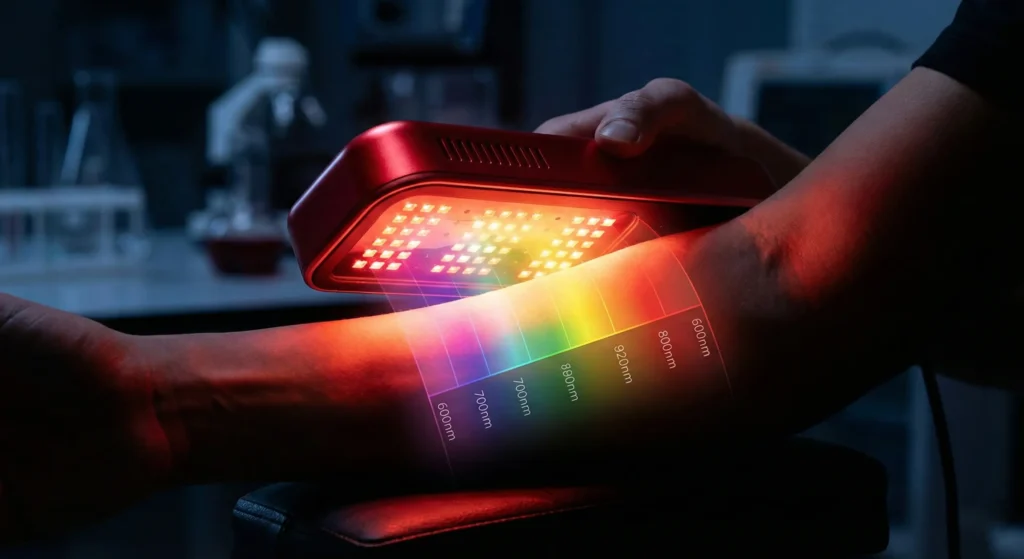
Red Light Therapy 101: The Definitive Guide (2026)
Stop guessing your protocol. The complete science-based guide to wavelengths, benefits, and calculating your perfect dose based on the Inverse Square Law.
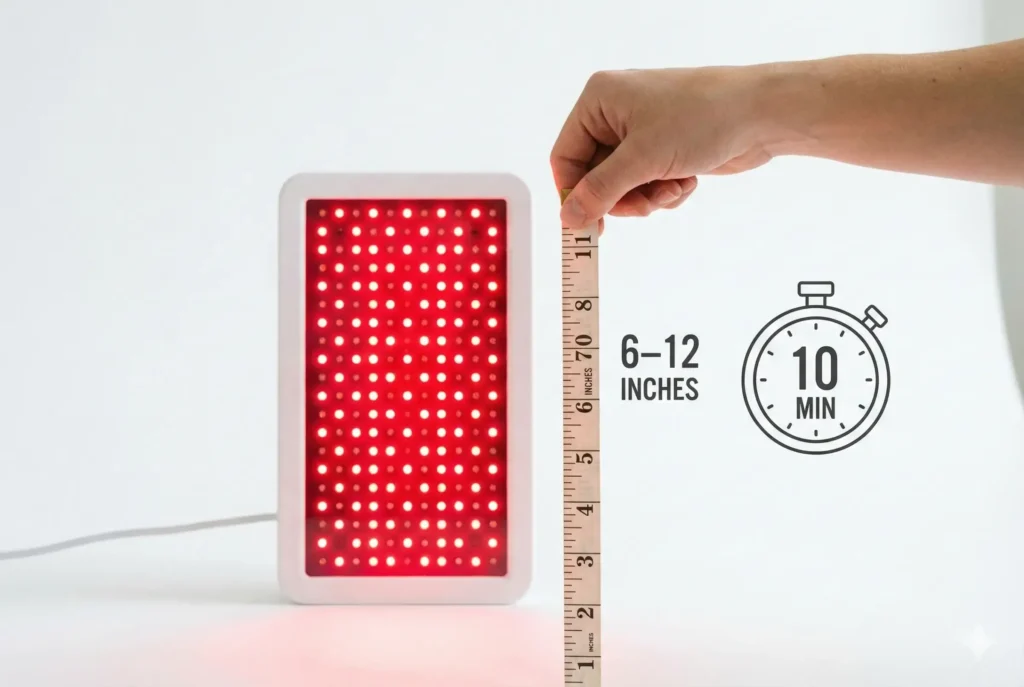
The Simple Dosing Guide (No Math)
Forget complex calculations. Get the “rule-of-thumb” distances and times for skin health vs. deep tissue recovery. A perfect starting point.
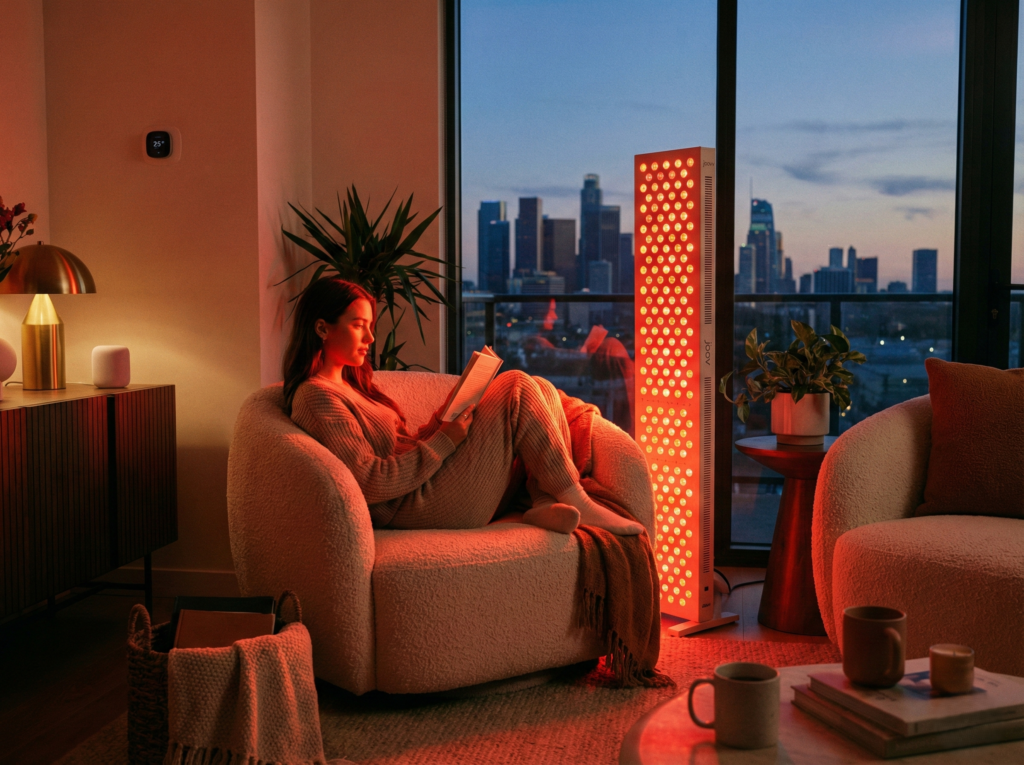
How to Use Red Light Therapy at Home
Create the perfect home setup. Practical tips on integrating light therapy into your morning or evening routine for maximum consistency and ease.
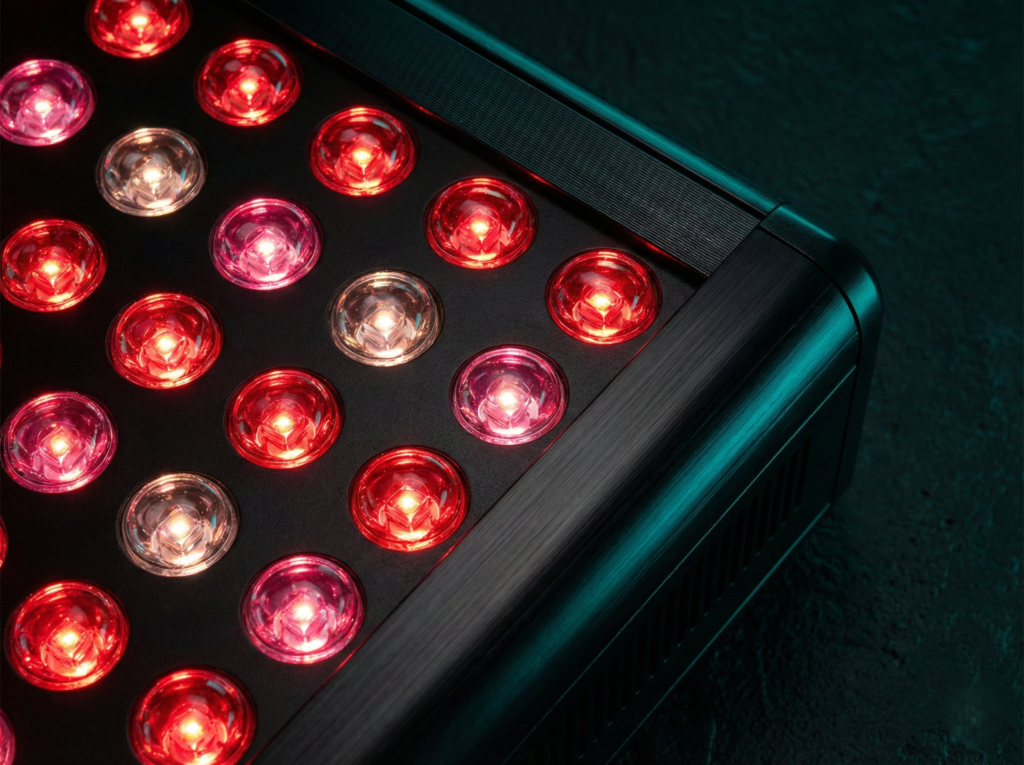
What Is Red Light Therapy? A Science-Based Explanation
New to photobiomodulation? Learn exactly what red and near-infrared light are, how they differ from UV rays, and why your cells crave specific wavelengths.
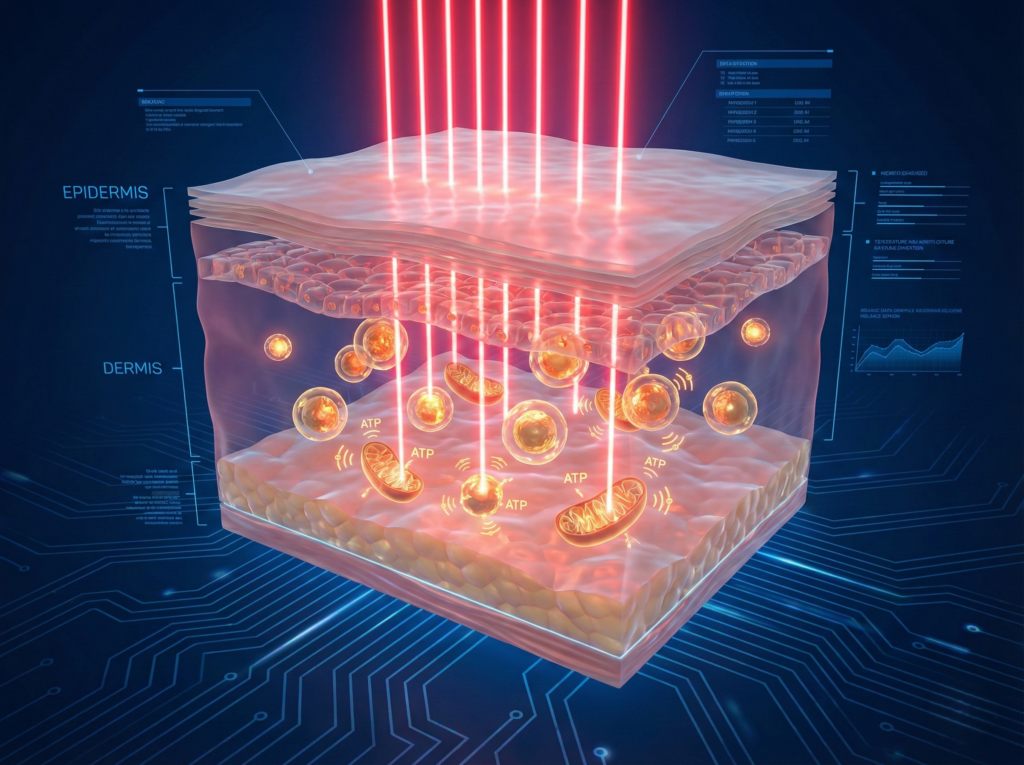
How Does Red Light Therapy Work?
Dive into the cellular mechanism. We explain how photons stimulate mitochondria to produce ATP energy, reducing inflammation and speeding up recovery.
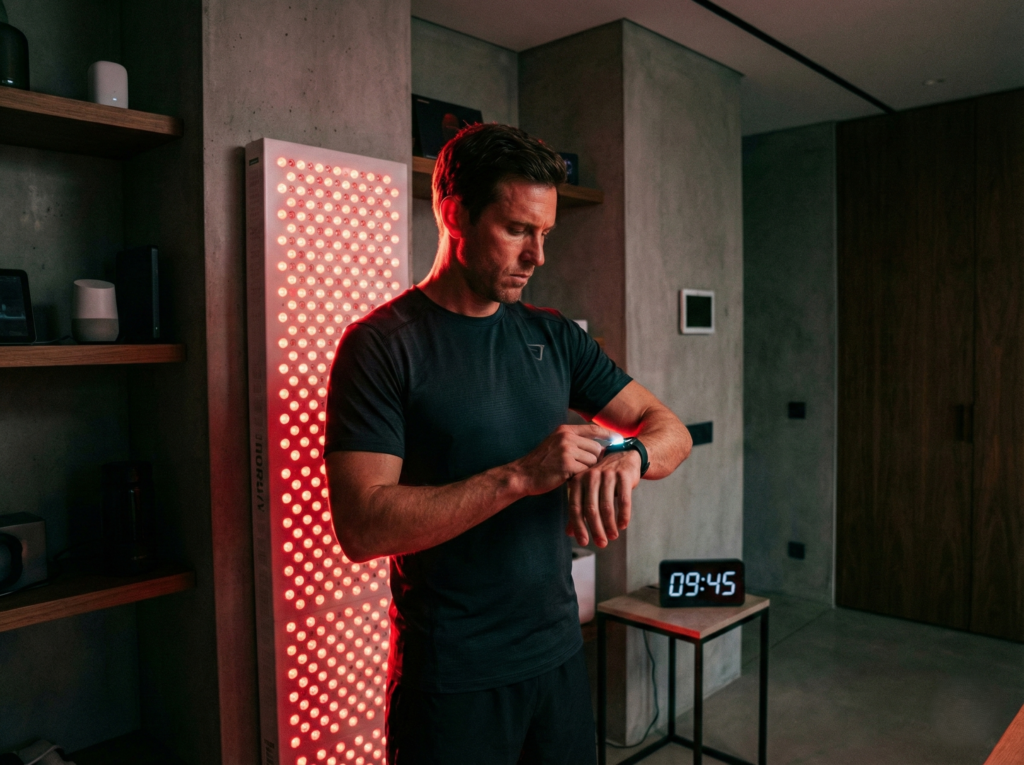
Red Light Therapy Protocols: Distance, Duration & Dosing
Stop guessing. Get our precise framework for optimal results: how far to stand, how long to expose, and how often to treat specific areas.

How Long Does Red Light Therapy Take to Work?
Realistic timelines for skin health, muscle recovery, and sleep. Find out when you can expect to see tangible results based on clinical data.
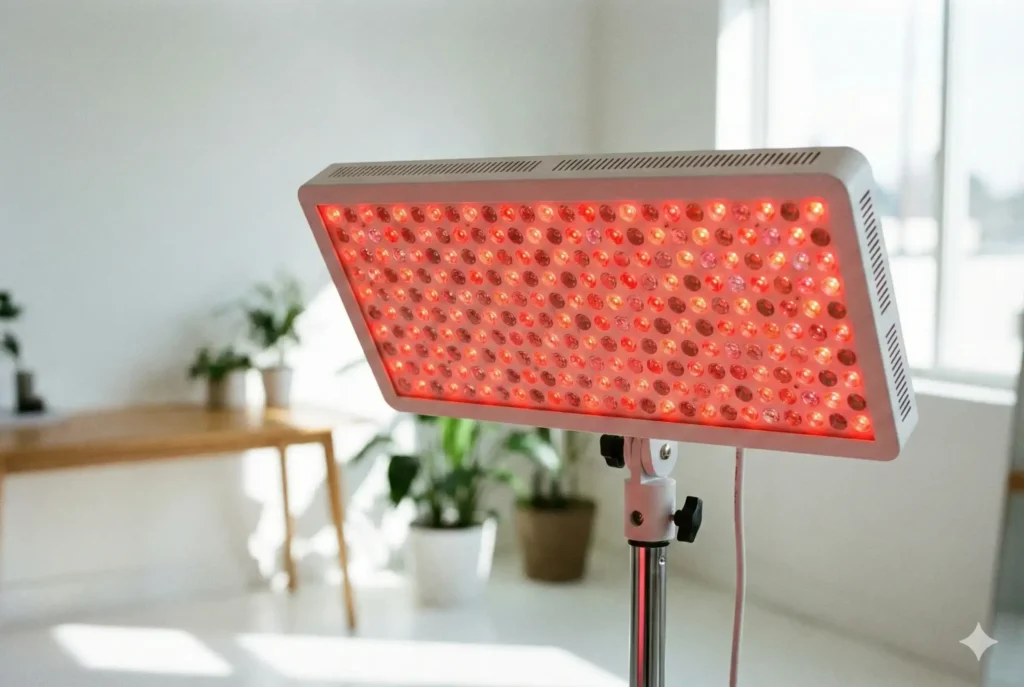
7 RLT Mistakes Killing Your Results
Are you wearing clothes? Standing too far? Ignoring consistency? Learn the top errors that make your sessions useless and how to fix them instantly.
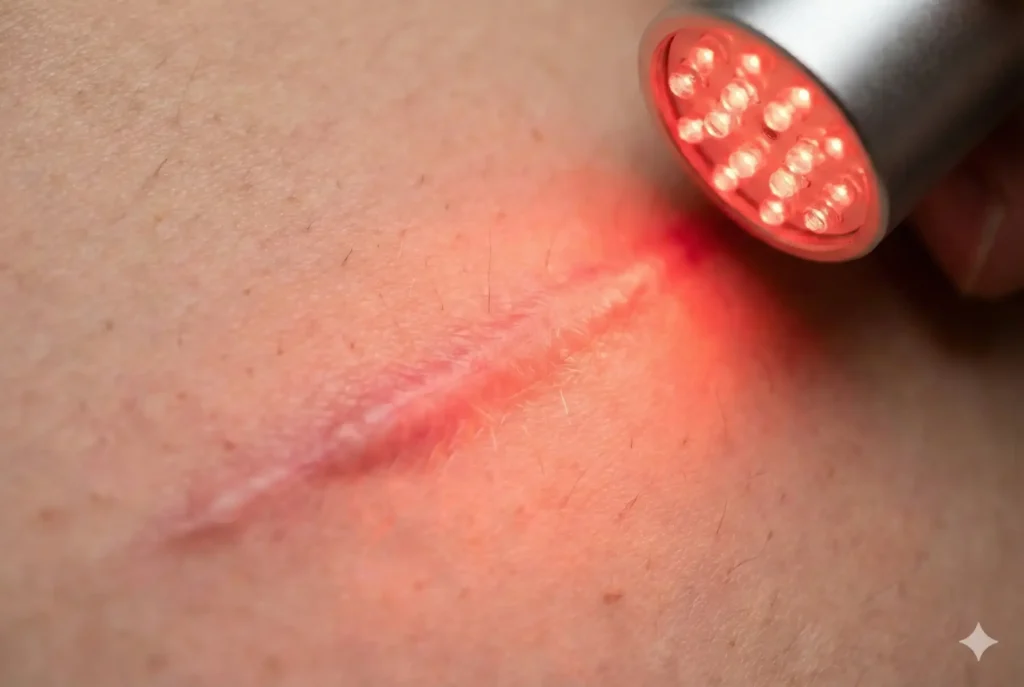
Protocol: Scars & Stretch Marks
What science actually says about fading scars. Realistic timelines, specific settings, and why “before-and-afters” lie. No miracle claims, just data.
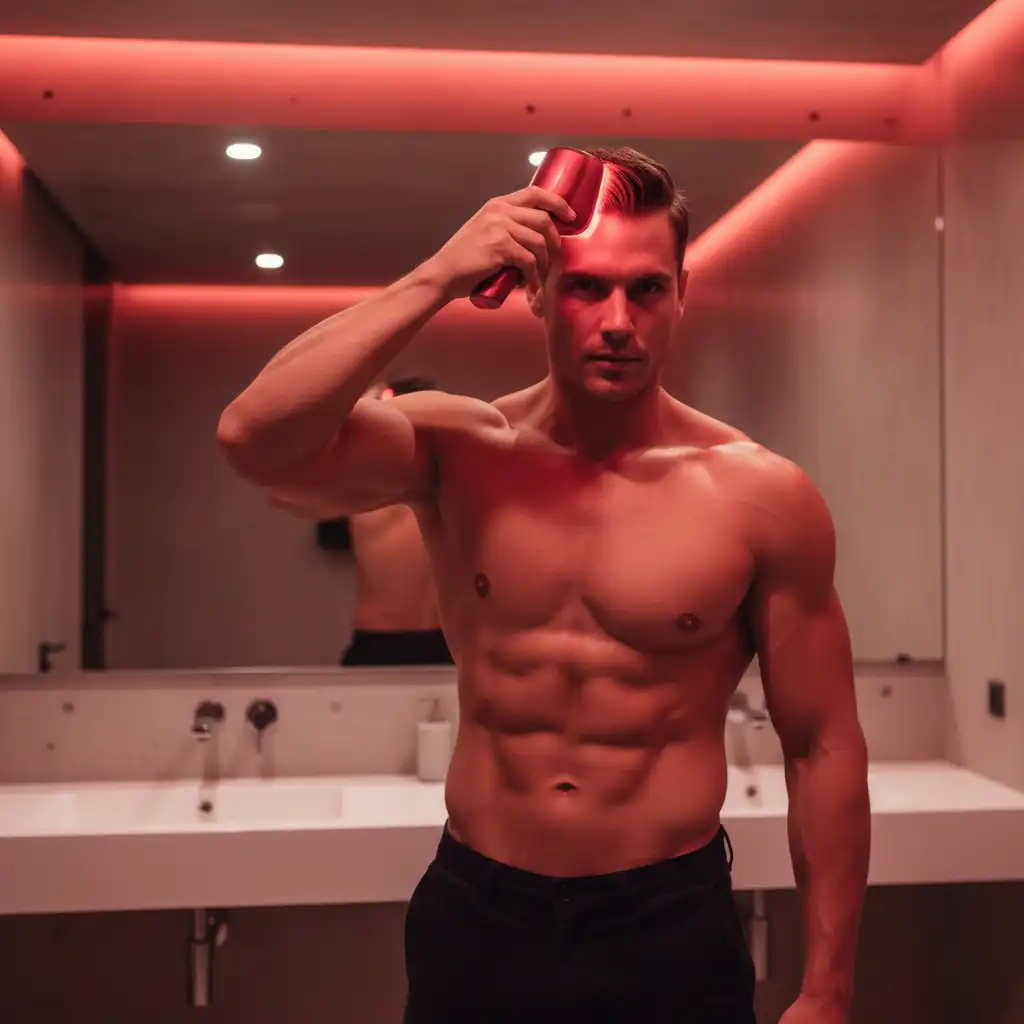
Red Light for Hair Growth: Evidence & Protocol
Discover the clinical science behind hair regrowth. Learn why dosing matters more than time, how to manage the “shedding phase,” and expected timelines for results.
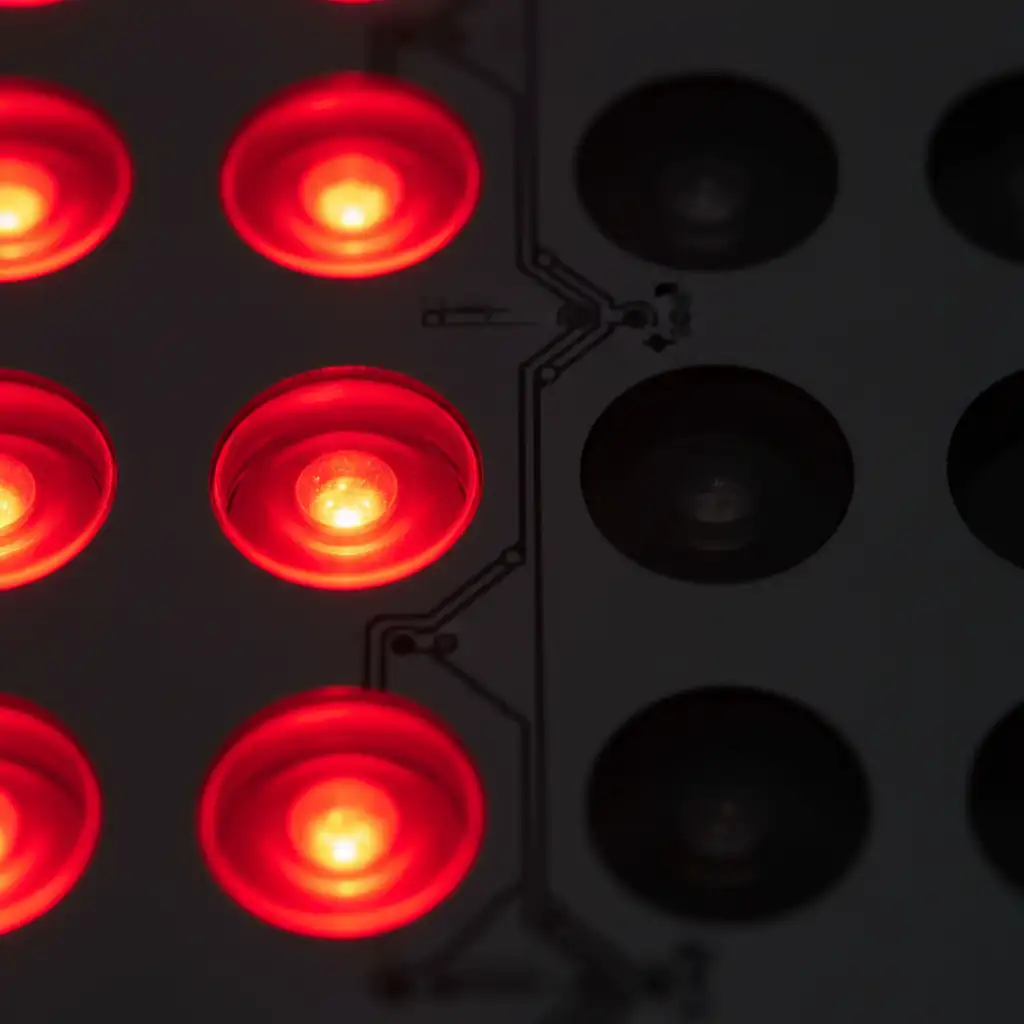
660nm vs 850nm: Which Wavelength Do You Need?
Red light targets skin, while Near-Infrared goes deep into muscle. Master the difference to choose the right spectrum for anti-aging, pain relief, or recovery.

Red Light Therapy & Sauna: The Ultimate Stack
Should you use red light before or after the sauna? We analyze the biology of heat vs. light to create the perfect safety protocol for your daily routine.
Latest RLT Protocols
New Research-
Red Light Therapy Through Clothes: Does It Work?
Tested transmission rates for cotton vs polyester. Stop wasting your sessions.
-
Timing Guide: Before or After Workout?
Pre-workout for ATP vs Post-workout for inflammation. Engineering breakdown.
-
Knee Pain Protocol & Evidence
Specific wavelengths and dosing to target cartilage and synovial fluid.
-
Red Light Therapy for Acne: Science & Protocols
Targeting inflammation and bacteria. Exact wavelengths and dosing for skin repair.
Red Light Therapy Dose Calculator
Stop guessing your session time. Calculate the exact seconds needed to hit your target Joules based on your device’s power and distance.
Launch Calculator →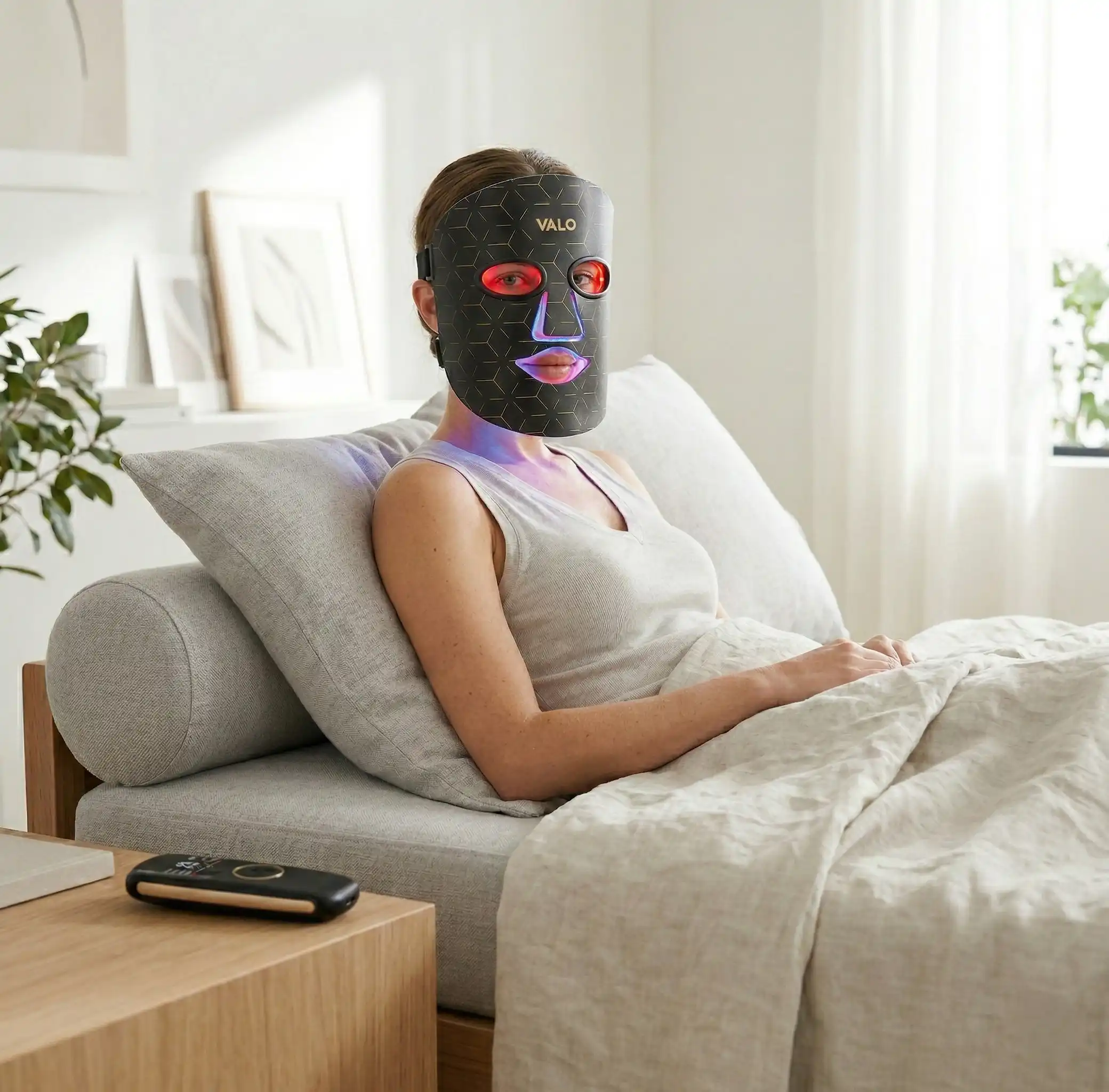
Valo Glow Face Mask
Best balanced LED mask under $300. 4 wavelengths (red, blue, NIR, orange) for anti-aging + acne.
Why Red Light Therapy Actually Works
Red light therapy isn’t magic—it’s cellular biology. When specific wavelengths of red and near-infrared light penetrate your skin, they’re absorbed by mitochondria (your cells’ energy factories) and trigger a cascade of beneficial effects. Here’s what happens at the cellular level and why it matters for your health.
Boosts Cellular Energy Production
Your mitochondria contain a molecule called cytochrome c oxidase that absorbs red and near-infrared light (600-850nm). When this happens, your cells produce more ATP—the energy currency your body runs on. Think of it like solar panels for your cells. More ATP means faster healing, better performance, and improved cellular function. This is why athletes use red light therapy before workouts (more energy available) and after (faster recovery from cellular damage).
Reduces Inflammation at the Source
Red light therapy doesn’t just mask pain—it reduces inflammation by decreasing inflammatory cytokines (signaling molecules that cause swelling and pain) while increasing anti-inflammatory markers. Studies show 630-660nm wavelengths penetrate 8-10mm into tissue, reaching inflamed joints, tendons, and muscles. This is why people with arthritis, tendonitis, or chronic joint pain see real improvements—the light is actually changing what’s happening in the inflamed tissue, not just making it feel better temporarily.
Accelerates Wound Healing and Skin Regeneration
Red light (especially 630-660nm) stimulates fibroblasts—the cells that produce collagen and elastin in your skin. More collagen means faster wound healing, reduced scarring, and improvement in skin texture and elasticity. Near-infrared light (800-850nm) penetrates deeper to promote healing in underlying tissue. This isn’t just for cosmetic purposes—burn centers and wound clinics use red light therapy to speed up healing in serious injuries because the cellular effects are well-documented.
Improves Blood Flow and Oxygen Delivery
Red and near-infrared light trigger the release of nitric oxide—a molecule that relaxes blood vessels and improves circulation. Better blood flow means more oxygen and nutrients reaching your tissues, plus faster removal of metabolic waste. This is particularly helpful for healing injuries (more oxygen = faster repair), reducing muscle fatigue during exercise, and even supporting hair growth (hair follicles need good blood supply to function).
Supports Better Sleep Through Melatonin Regulation
While blue light suppresses melatonin production, red light (especially 630-660nm) has minimal impact on melatonin and may even support its production when used in the evening. Near-infrared light can also reduce inflammation in brain tissue and support mitochondrial function in neurons. Some research suggests evening red light exposure helps strengthen your circadian rhythm without disrupting sleep the way bright white or blue light does.
Red Light Therapy Devices: Technology Comparison
We’ve tested dozens of red light devices across four main categories. Here’s how each type compares in terms of wavelength accuracy, power output, treatment coverage, and what they’re actually good for.
| Device Type | Wavelengths | Power Density | Treatment Area | Portability | Best For |
|---|---|---|---|---|---|
| Wearable Trackers | Sleep stages, heart rate, movement, blood oxygen | ⭐⭐⭐⭐ (Good) | Wear on wrist 24/7 | 5-7 days | Active lifestyles, daytime tracking |
| Smart Rings | Sleep stages, heart rate, temperature, HRV | ⭐⭐⭐⭐⭐ (Excellent) | Lightweight, barely noticeable | 4-7 days | Minimalists, accurate HRV data |
| Under-Mattress Sensors | Movement, breathing rate, heart rate | ⭐⭐⭐⭐ (Good) | Zero wearables needed | Plugged in | Couples, people who dislike wearables |
| Bedside Monitors | Movement, breathing sounds, room environment | ⭐⭐⭐ (Moderate) | Place on nightstand | Plugged in | Complete beginners, non-contact |
| Light Therapy Devices | Circadian rhythm support (not tracking) | N/A | Bedside or wearable | Varies | Shift workers, jet lag recovery |
Key Parameters Explained:
Wavelengths:
- 630-660nm (Red): Penetrates 8-10mm. Best for skin, surface healing, collagen production.
- 800-850nm (Near-Infrared): Penetrates 30-40mm. Best for deep tissue, joints, muscles, inflammation.
- Dual wavelength devices give you both benefits in one session.
Power Density (Irradiance):
- Measured in mW/cm² (milliwatts per square centimeter)
- Higher power = shorter treatment time, but also need to be closer to device
- Therapeutic range: 20-200mW/cm² depending on distance and protocol
💡 Important: Wavelength accuracy matters more than marketing claims. We verify every device with a spectrometer—many “red light” devices emit the wrong wavelengths or much lower power than advertised.
Common Questions About Red Light Therapy
Does red light therapy actually work, or is it just a wellness trend?
Red light therapy has over 500 peer-reviewed studies showing benefits for wound healing, inflammation reduction, and skin health. It’s used in medical settings (burn units, sports medicine clinics) because the cellular mechanisms are well-understood—specific wavelengths (630-850nm) are absorbed by mitochondria and trigger ATP production and anti-inflammatory responses. The “wellness trend” part is real, but so is the science. The key is using devices with the correct wavelengths and sufficient power output—many cheap consumer devices don’t meet therapeutic thresholds.
What’s the difference between red light (660nm) and near-infrared (850nm)?
Red light (630-660nm) is visible, penetrates 8-10mm into tissue, and is best for skin-level benefits—collagen production, wound healing, surface inflammation, and acne. Near-infrared (800-850nm) is invisible to the eye, penetrates 30-40mm deeper, and reaches muscles, joints, and deep tissue—making it better for muscle recovery, joint pain, and deep inflammation. Most full-body devices include both wavelengths so you get surface and deep benefits simultaneously. For face/skin-only treatment, red light alone is usually sufficient.
How long and how often should I use red light therapy?
It depends on device power and your distance from it. General guidelines: for high-powered panels (100+ mW/cm²) at 6 inches away, 10-15 minutes per session is typical. For lower-powered devices (20-40 mW/cm²), you might need 20-30 minutes. Frequency matters too—most protocols recommend 3-5 sessions per week for maintenance, daily for acute issues like injuries or severe inflammation. The key metric is total energy delivered (measured in Joules/cm²)—you need 4-10 J/cm² per treatment area for therapeutic effects. Too much can actually reduce benefits (biphasic dose response).
Can red light therapy help with joint pain and arthritis?
Yes, particularly for osteoarthritis and chronic joint inflammation. Near-infrared light (800-850nm) penetrates deep enough to reach inflamed joint tissue and reduce inflammatory markers while increasing circulation. Multiple studies show improvements in pain scores and mobility for knee, hip, and hand arthritis. However, it works best as part of a comprehensive approach—combining red light with proper exercise, weight management, and sometimes physical therapy. It’s not a cure, but many people see meaningful reductions in daily pain and stiffness with consistent use (4-6 weeks of regular sessions).
Is red light therapy safe? Are there any side effects or risks?
Red and near-infrared light are non-ionizing (unlike UV or X-rays) and don’t damage DNA or cause burns when used correctly. The most common “side effect” is mild skin warming during treatment, which is normal. However, there are a few precautions: don’t look directly at bright LEDs (can cause temporary eye strain), people with photosensitivity disorders should consult a doctor first, and if you’re on photosensitizing medications (some antibiotics, retinoids), check with your physician. Pregnant women should avoid direct abdominal treatment as a precaution. The biggest real risk is wasting money on low-quality devices that don’t emit therapeutic wavelengths or power levels.
How We Test Red Light Devices
We don’t trust manufacturer specs—we verify everything with lab equipment. Every red light device on this site goes through our comprehensive testing protocol using calibrated instruments.
Our testing process includes:
Spectral Analysis
We use a spectrometer to verify actual wavelength output. Many devices claiming “660nm” emit anywhere from 630-680nm, or include unwanted wavelengths that reduce therapeutic effectiveness.
Irradiance Mapping
Using a calibrated power meter, we measure actual power density (mW/cm²) at multiple distances (6″, 12″, 24″) across the entire treatment area. Many devices show hot spots in the center and weak edges—we document this.
Real-World Protocol Testing
Each device is used for 30+ days following manufacturer protocols. We track treatment times needed to reach therapeutic doses (4-10 J/cm²) and whether the device maintains consistent output over time.
Heat & Safety Testing
We monitor surface temperatures, check for overheating during extended sessions, and test electrical safety. Some cheap devices get dangerously hot or have unstable power supplies.
Build Quality Assessment
LEDs degrade over time. We test for flickering (bad for eyes and effectiveness), color consistency across the panel, and whether the device matches advertised lifespan specs.
What we don’t do: We don’t accept payment for reviews, we don’t get paid for positive coverage, and we don’t let brands see our content before publication. Our testing takes weeks, not days — because your sleep decisions deserve better than quick impressions.