Red Light Therapy for Weight Loss: What the Science Actually Shows (2026)
 By Fred Guerra
Key Insights
- Short answer: it helps — but only as an adjunct to diet and exercise, not as a standalone intervention. A 2025 meta-analysis of 11 randomized controlled trials (569 patients) – the largest pooled analysis on PBM and body composition to date – , published in BMC Complementary Medicine and Therapies, found photobiomodulation significantly improved body measurements, metabolic indicators, and inflammation markers in obese patients. Every one of those trials paired PBM with lifestyle intervention. The light alone, without those changes, produced far weaker effects in standalone arms.
- The measurable effects are real — but modest and specific. A separate 2025 meta-analysis of 9 RCTs (477 patients) found that adding PBM to weight loss protocols produced an average additional 3.5 kg body weight reduction and 7.28 cm reduction in waist circumference compared to controls. That’s meaningful in context of a structured program — not a dramatic standalone transformation.
- The mechanism isn’t “burning fat with light.” Red and near-infrared light affects adipose tissue through two pathways: stimulating mitochondria inside fat cells to create temporary pores that release lipid content (studied in cell culture and some clinical settings), and reducing the chronic low-grade inflammation that drives metabolic dysfunction in obesity. Neither mechanism produces dramatic fat loss independently — both become more significant in a context where diet and activity are already creating an energy deficit.
- Where RLT genuinely helps in a weight loss context: Post-workout recovery (less soreness means you can train more consistently), sleep quality (poor sleep is a documented driver of weight gain through hormonal pathways), and inflammation reduction (chronic inflammation impairs insulin sensitivity). These indirect pathways are arguably stronger contributors than direct fat-cell effects.
- The honest context: Red light therapy for weight loss is one of the most overclaimed areas in the consumer wellness market. The gap between what research actually shows (“meaningful adjunctive benefit when added to lifestyle intervention”) and what marketing implies (“lose inches with light”) is real and worth understanding before spending money based on weight loss claims alone.
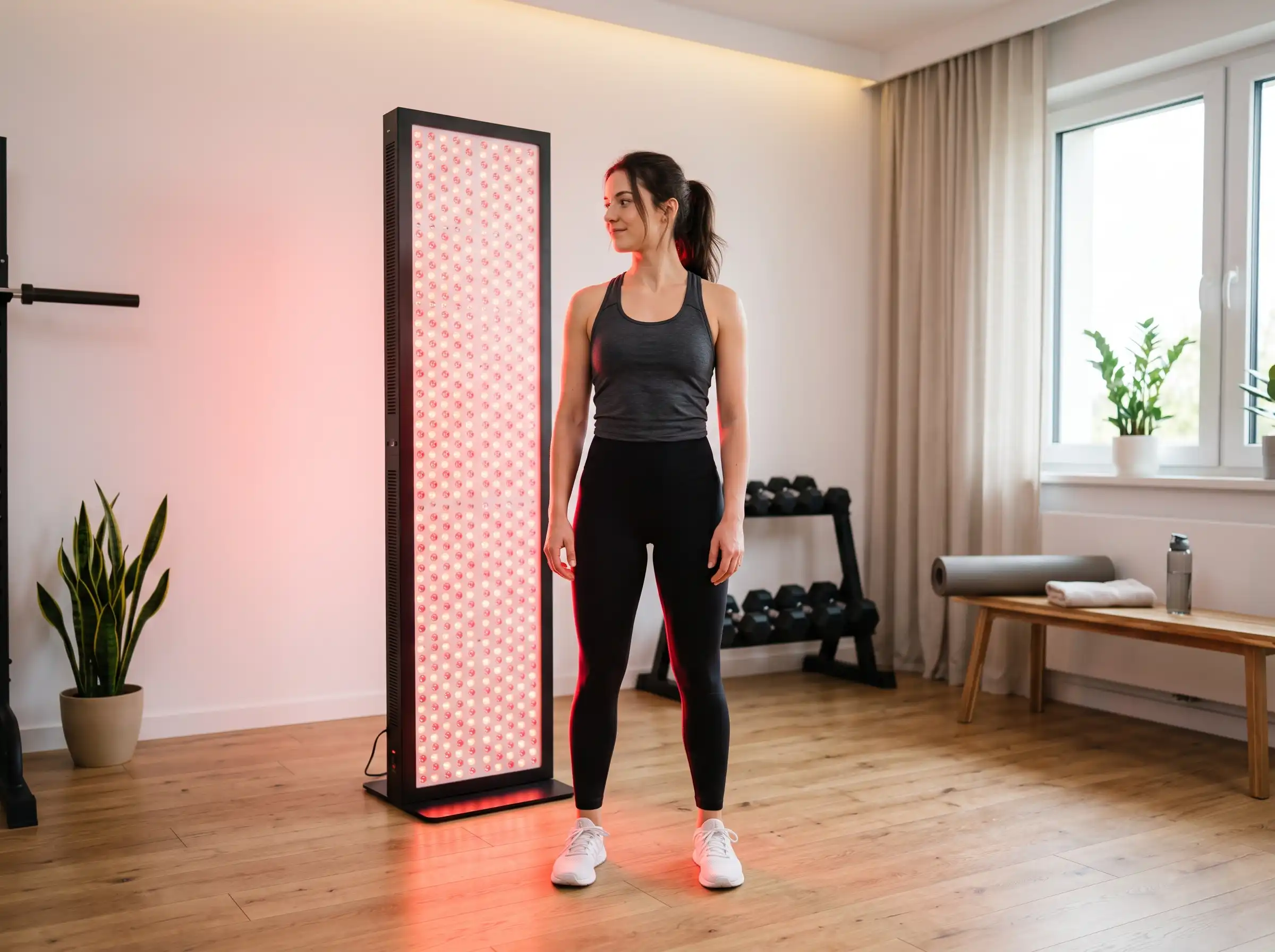
Understanding Red Light Therapy in Practice
Red light therapy is often discussed in theory, but its real-world application depends on measurable parameters like wavelength and exposure. I tested multiple RLT setups using a professional spectrometer to better understand how the therapy works in practice.
What the Research Actually Shows: The Honest Evidence Summary
The 2025 evidence base on photobiomodulation and body composition is stronger than most skeptics assume — and weaker than most marketers claim. Both things are true simultaneously, and the nuance matters for setting realistic expectations.
What the strongest evidence supports:
A 2025 systematic review and meta-analysis published in BMC Complementary Medicine and Therapies searched nine major databases through January 2025 and included 11 randomized controlled trials with 569 patients. The analysis found statistically significant improvements in body measurements (waist circumference, BMI, body fat percentage), metabolic indicators (fasting glucose, insulin sensitivity), and inflammatory markers (C-reactive protein) in PBM groups compared to controls. The results were consistent enough to pass pre-specified sensitivity analyses.
A second 2025 meta-analysis specifically examining PBM as an add-on to weight loss programs found an average additional 3.5 kg body weight reduction and 7.28 cm waist circumference reduction in groups receiving PBM alongside lifestyle interventions, compared to lifestyle interventions alone.
These are real, peer-reviewed, systematic findings. They’re not cherry-picked case studies or manufacturer-sponsored pilot studies. But critically — every single high-quality trial in these meta-analyses was designed as PBM plus intervention, not PBM alone.
What the evidence doesn’t support:
No high-quality evidence supports red light therapy as a standalone weight loss intervention producing clinically meaningful fat reduction without dietary and activity changes. Studies examining light-only conditions consistently show weaker effects or fail to reach significance. The biology of energy balance still applies — photobiomodulation doesn’t create an energy deficit or meaningfully alter basal metabolic rate in the way caloric restriction and exercise do.
The Mechanism: How Red Light Actually Affects Fat Tissue
Understanding the actual proposed mechanism separates realistic expectations from marketing claims.
Direct adipose tissue effects — the lipid pore hypothesis:
Research in cell culture and some clinical settings has found that red and near-infrared light stimulates mitochondria within adipocytes (fat cells) in ways that can create temporary pores in the cell membrane, allowing lipid content to be released. This mechanism is the basis for some clinical “laser lipolysis” treatments using different (typically higher-powered) equipment than consumer LED panels. At consumer LED panel intensities, this direct lipolytic effect is present but modest — the cell culture findings don’t automatically translate to the fat-burning rates implied by some marketing.
The inflammation and metabolic pathway — probably the bigger contributor:
Chronic low-grade inflammation is both a driver and consequence of obesity. It directly impairs insulin sensitivity (making it harder to manage blood glucose and fat storage), disrupts mitochondrial function systemically, and creates a metabolic environment that makes fat loss harder. Photobiomodulation’s well-documented anti-inflammatory effects — reducing C-reactive protein, IL-6, and other inflammatory markers — are the more likely pathway for its metabolic benefits when combined with weight loss programs. By reducing systemic inflammation, PBM helps restore some of the metabolic function that obesity has impaired, making diet and exercise work more effectively.
Indirect pathways that matter more than the direct mechanism:
- Recovery: By reducing DOMS and inflammation from exercise, RLT allows higher training frequency and consistency. More consistent training, sustained over months, produces far more fat loss than the direct adipose effect of the light itself. Full recovery protocol →
- Sleep: Poor sleep drives weight gain through multiple hormonal pathways — elevated ghrelin (hunger hormone), reduced leptin (satiety hormone), impaired insulin sensitivity, and increased cortisol. RLT’s role in sleep support through appropriate evening light use addresses a real and underappreciated driver of weight gain. The specific protocol — timing, distance, and how it affects melatonin onset — is covered in the circadian rhythm guide. Full RLT and sleep guide →
- Inflammation reduction: The same anti-inflammatory pathway that helps with pain and skin health also improves the metabolic environment that determines how effectively your body responds to caloric deficit.
What RLT Can and Cannot Do: The Honest One-Table Summary
Protocol Data
| Claim | Evidence Status | What the Research Actually Shows |
|---|---|---|
| Supports fat loss when combined with diet + exercise | ✅ Supported | 2025 meta-analysis (11 RCTs, 569 patients): significant improvements in waist circumference, BMI, body fat % in PBM + lifestyle groups |
| Additional 3–5 kg weight loss vs lifestyle alone | ✅ Supported | 2025 meta-analysis (9 RCTs): average +3.5 kg additional loss, +7.28 cm waist reduction vs control |
| Improves metabolic markers (glucose, insulin sensitivity) | ✅ Moderate support | Multiple RCTs show improvements in fasting glucose and insulin resistance markers alongside body composition changes |
| Reduces inflammation that impairs fat loss | ✅ Strong support | Well-replicated anti-inflammatory effects (CRP, IL-6 reduction) across broader PBM literature |
| Improves workout recovery → enables more consistent training | ✅ Strong support | Multiple meta-analyses confirm DOMS reduction, faster recovery, lower creatine kinase post-exercise |
| Burns fat without diet or exercise changes | ❌ Not supported | Light-alone arms in controlled studies show minimal to no significant fat loss without lifestyle intervention |
| Targets specific fat deposits (spot reduction) | ⚠️ Weak / conflicting | Some localized circumference studies show reduction in treated areas; not consistent and mechanism unclear at consumer device intensities |
| Replaces exercise for fat loss | ❌ Not supported | No evidence base exists for this claim |
| Produces dramatic visible transformation in 30 days | ❌ Not supported | Timeline for meaningful changes in controlled studies was 8–12+ weeks with concurrent lifestyle intervention |
What “Supporting Weight Loss” Actually Looks Like in Practice
If you’re using RLT as part of a genuine fat loss program, here’s what the evidence-supported use case looks like:
You’re already training consistently and eating in a caloric deficit. RLT’s adjunctive benefits are largest when there’s already a program running that it can support. Using it as a substitute for diet and exercise produces little to no benefit. Using it alongside a serious program produces measurable additional benefit.
You use RLT post-workout to reduce soreness and accelerate recovery. This allows higher training frequency without cumulative fatigue compounding — and compounding training frequency over months is one of the most reliable predictors of fat loss outcomes. A full-body panel used for 15 minutes after heavy sessions addresses back, legs, and upper body simultaneously. See the dosing guide for session timing and duration.
You use red light in the evenings to protect sleep quality. Replacing screen/overhead light with a red light source in the 2 hours before bed protects melatonin onset and sleep depth — addressing one of the most underestimated drivers of fat accumulation and weight loss stalls. Full sleep protocol →
You accept the timeline. The 2025 meta-analyses showing meaningful additional fat loss compared to lifestyle-alone used 8–16 week protocols. There is no 2-week meaningful fat loss result in the evidence base, with or without RLT.
Who Benefits Most and Who Doesn’t
People likely to see the most benefit:
- Active people who train consistently but struggle with recovery — RLT’s strongest evidence for the fat-loss-adjacent use case is actually in athletic recovery, which enables training consistency
- People whose fat loss stalls have an inflammatory driver — elevated CRP, metabolic syndrome markers, or poor sleep — where addressing these through PBM restores some metabolic efficiency
- People already running a structured diet and exercise program who want to optimize rather than replace those foundations
People unlikely to see meaningful benefit:
- Anyone using RLT as the primary or sole fat loss intervention without dietary and activity changes — the evidence simply doesn’t support this
- People expecting visible body composition changes in under 8 weeks — the timeline required for meaningful outcomes is longer than most consumer marketing implies
- People targeting a specific body area for spot reduction at consumer device intensities — the localized circumference findings in some studies are inconsistent and likely reflect inflammation reduction rather than actual targeted lipolysis at LED panel power levels
What I’d tell someone asking if they should buy a device for weight loss: Only if weight loss isn’t the sole reason. If you’re also dealing with back pain, have skin goals, or care about recovery — those applications are strong enough that the device pays for itself through them, and weight loss support is a reasonable additional benefit. If weight loss is the only goal and you’re not training consistently, the evidence doesn’t support expecting meaningful results.
The one thing I’d want to see in future research: Longer-term trials (6+ months) tracking whether metabolic improvements from PBM are maintained when the PBM protocol ends, or whether they regress without continued use. Most current research covers 8–16 week windows, which is useful but doesn’t tell us about the maintenance question.
If You’re Using RLT as Part of a Serious Protocol — Here’s What We Actually Recommend
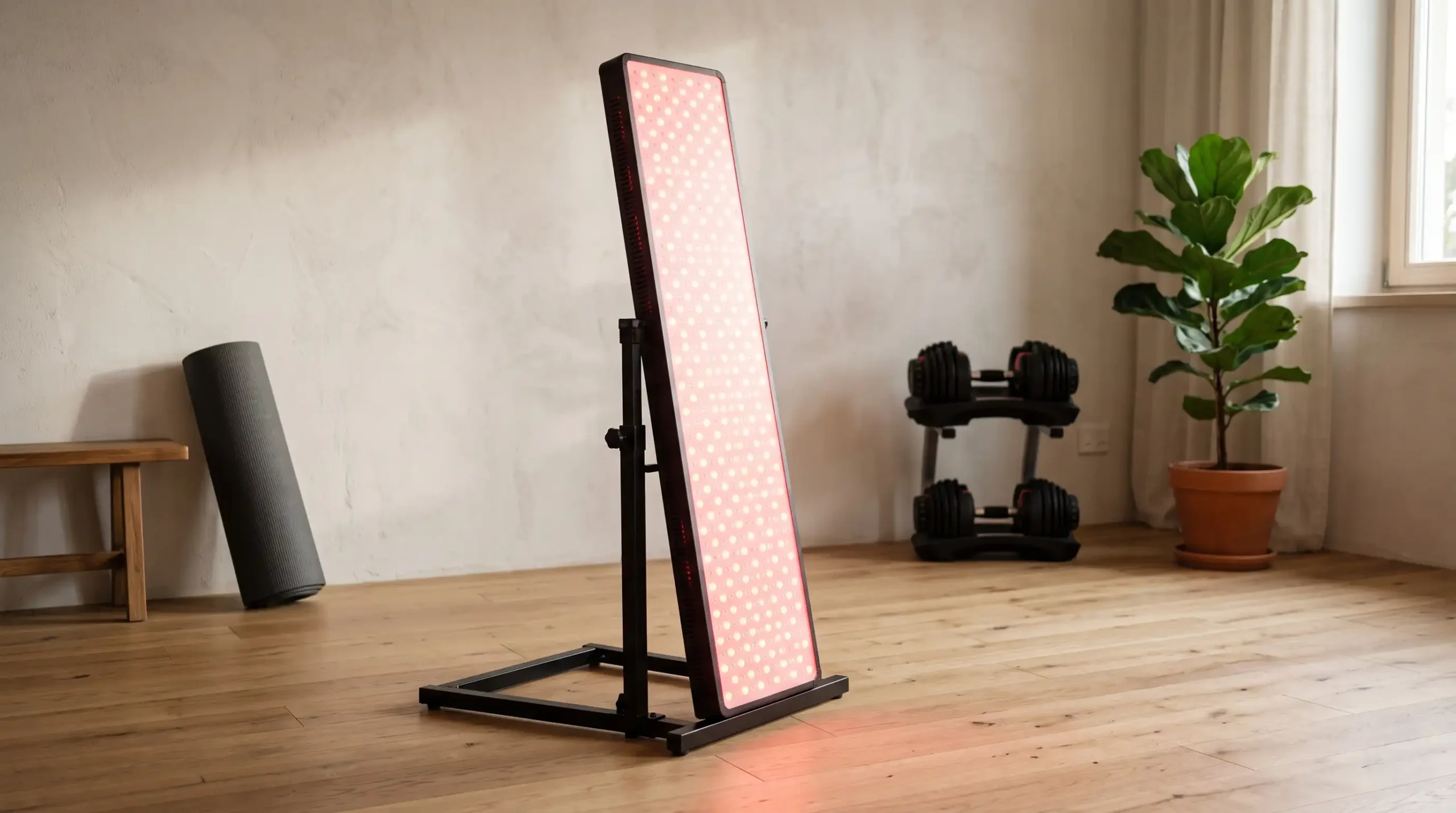
The best device for a weight-loss-supporting protocol isn’t the most expensive one — it’s the one that covers the most ground per session, because recovery and sleep support work best when you can treat your whole body, not one zone at a time.
For most people in a fat loss protocol: The Valo Blaze makes the most sense — true full-body coverage means post-workout sessions treat your back, legs, and upper body simultaneously in 15 minutes, rather than sequentially over 45+. HSA/FSA eligible, stand included, $1,039.99 after 20% off.
If full-body is outside your budget right now: The Valo Spark at $240 covers targeted recovery for specific high-load areas (legs after leg day, lower back after heavy pulls) and is the right entry point before committing to a full panel.
See Full Valo Lineup →
Get Valo Blaze — 20% OFF →
Get Valo Spark — 20% OFF →
Frequently Asked Questions
Can red light therapy burn fat?
Not independently, at consumer LED panel intensities. At the cell level, red and near-infrared light has been shown to affect lipid release from fat cells — but at home device power levels, this direct effect is modest. The stronger evidence is for PBM as an adjunct to a caloric deficit and exercise program: a 2025 meta-analysis of 11 RCTs found significant improvements in body composition, metabolic markers, and inflammation when PBM was added to lifestyle intervention — but not for PBM alone.
Does red light therapy help with belly fat specifically?
Some studies on localized RLT application found reductions in waist circumference specifically in treated areas — a 2025 meta-analysis found an average 7.28 cm waist reduction when PBM was combined with weight loss intervention. Whether this represents direct localized fat reduction or general inflammation-driven circumference changes (bloating, water retention, inflammation) is not fully resolved in the literature. “Spot reduction” claims at consumer device intensity levels should be treated with appropriate skepticism.
How long does it take to see weight loss results from red light therapy?
In the controlled studies showing meaningful results, protocols ran 8–16 weeks with concurrent dietary and exercise intervention. There are no well-designed studies showing clinically meaningful fat loss from RLT in under 8 weeks, with or without lifestyle changes. If you’re evaluating whether RLT is “working” for fat loss at week 3 or 4, you haven’t yet reached the minimum timeline used in research showing positive results.
Is red light therapy for weight loss a scam?
No — but it’s frequently misrepresented. There’s a real, evidence-based case for PBM as an adjunctive tool in a weight management program, supported by multiple 2025 meta-analyses of randomized controlled trials. What isn’t supported is the standalone, no-diet-needed, dramatic-results version of the claim that dominates consumer marketing. The research says “meaningful adjunct.” The marketing often implies “primary intervention.”
What’s the best red light therapy device for weight loss support?
A full-body panel is the most practical choice for supporting a weight loss protocol — because post-workout recovery sessions are most useful when they cover the full body in one position, rather than requiring multiple repositioned sessions per muscle group. The Valo Blaze covers this. For budget-conscious buyers starting out, the Valo Spark at $240 covers targeted recovery for specific high-load areas.
Does red light therapy help with loose skin after weight loss?
This is where the evidence is actually stronger than for direct fat loss. Red light at 630–660nm stimulates fibroblast activity and collagen synthesis — the same mechanism behind its anti-aging effects on the face applies to body skin after significant weight loss. Consistency matters: 5x per week over 8–12 weeks is the minimum timeline for meaningful collagen remodeling. A full-body panel covers large surface areas efficiently. This application is legitimate and better supported than many of the direct fat-loss claims — it just gets less marketing attention.
Can red light therapy reduce water retention or bloating?
Partially, through the anti-inflammatory pathway. Chronic low-grade inflammation contributes to fluid retention — reducing systemic inflammatory markers (CRP, IL-6) through consistent RLT can reduce the inflammatory component of bloating and puffiness. This is not the same as targeting excess body fat. People who notice “looking leaner” quickly after starting RLT are likely seeing inflammation and fluid changes, not fat loss. Both are real; knowing which you’re experiencing sets realistic expectations for the timeline ahead.

Sources
Effectiveness of photobiomodulation therapy in improving health indicators in obese patients: a systematic review and meta-analysis of RCTs
Evidence-based consensus on the clinical application of photobiomodulation
Effects of LED photobiomodulation therapy on subcutaneous fatty tissue of obese individuals — histological and immunohistochemical analysis
Mechanisms and applications of the anti-inflammatory effects of photobiomodulation