Are there side effects from red light therapy? Rarely serious ones — red and near-infrared light at therapeutic doses is non-ionizing and doesn’t damage DNA, burn tissue, or cause the photosensitivity reactions associated with UV treatment. But “generally safe” isn’t the same as “zero considerations.” There are real temporary reactions, specific populations who need extra caution, and a small number of genuine contraindications worth knowing before you start.
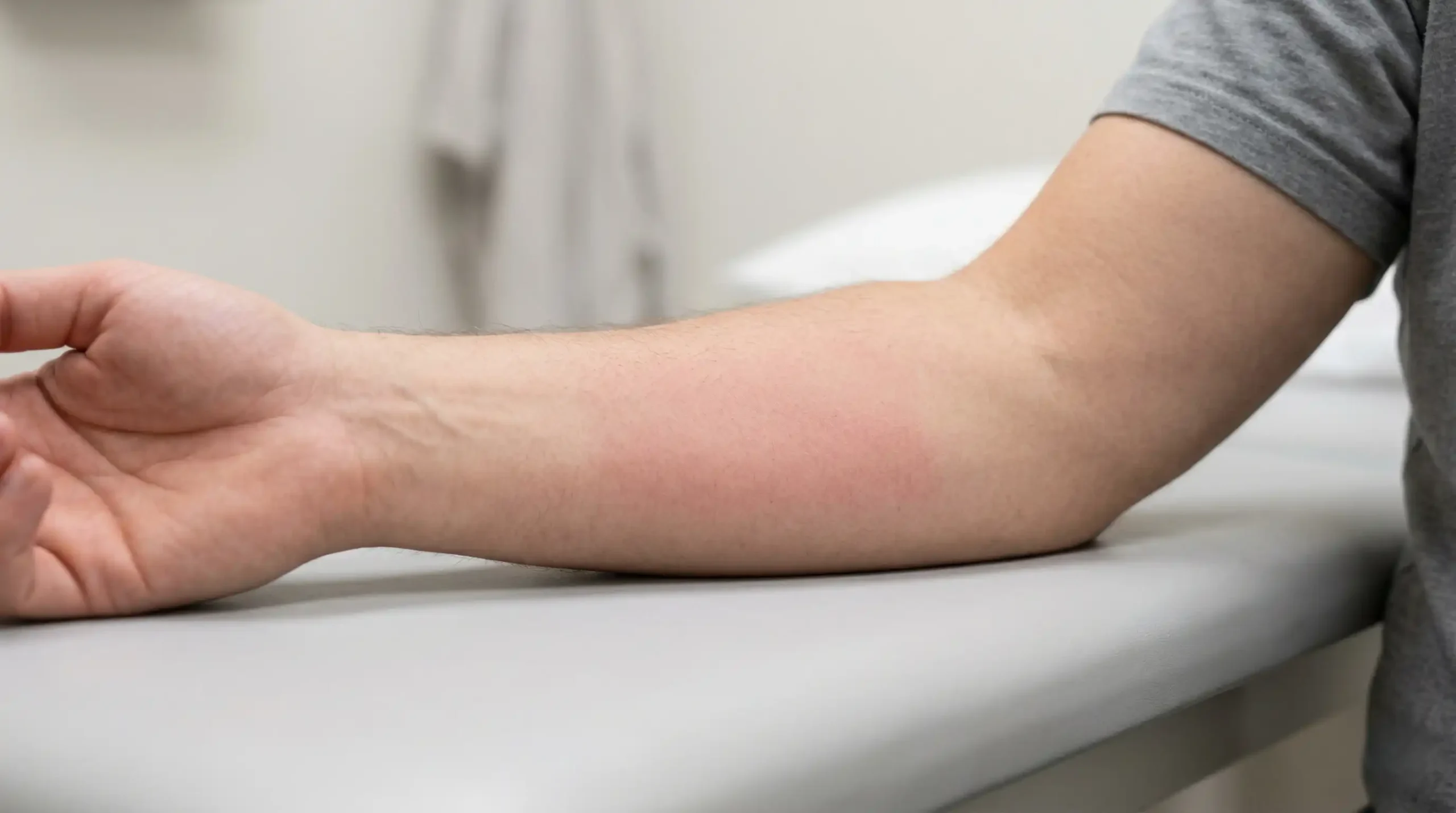
Most common real reaction: Mild temporary skin redness or warmth at the treatment site — normal vasodilation response, resolves within 30–60 minutes.
Most common myth: That red light causes cancer, permanent eye damage, or burns. At therapeutic wavelengths and doses, none of these are supported by evidence.
Who needs to be genuinely careful: People on photosensitizing medications, those with active photosensitivity disorders, and anyone with a history of certain cancers — not because RLT is proven harmful in these populations, but because the research hasn’t adequately studied them.
The honest framing: Red light therapy has an unusually good safety profile compared to most therapeutic interventions. The side effect conversation is more about setting accurate expectations and flagging the specific exceptions than issuing broad warnings.
Understanding Red Light Therapy in Practice
Red light therapy is often discussed in theory, but its real-world application depends on measurable parameters like wavelength and exposure. I tested multiple RLT setups using a professional spectrometer to better understand how the therapy works in practice.
Open Red Light HubWhy the Safety Profile Is Better Than Most Interventions
To understand why red light therapy has few meaningful side effects, you need to understand what makes therapeutic interventions dangerous in the first place — and what RLT doesn’t do.
Ionizing radiation (X-rays, UV, gamma): Damages DNA directly. Causes mutations, cell death, and cancer risk with cumulative exposure. Red light (630–660nm) and near-infrared (850nm) are non-ionizing. Photon energy at these wavelengths is too low to break chemical bonds or damage DNA. This is the most fundamental safety distinction.
Thermal damage: Burns occur when tissue absorbs enough energy to exceed the heat tolerance of proteins and cells. Infrared sauna and certain laser treatments work partly through controlled heat. Therapeutic RLT at standard consumer device irradiance (50–150 mW/cm²) produces minimal tissue heating — you may feel mild warmth, but nothing approaching thermal damage thresholds.
Pharmaceutical side effects: Systemic medications distribute throughout the body and interact with off-target receptors. RLT is local and photochemical — it activates mitochondria in the tissue it reaches and doesn’t distribute systemically in the way that creates drug-type side effect profiles.
Mechanical trauma: Procedures like microneedling, surgery, and even aggressive massage create controlled injury. RLT doesn’t.
What remains is a narrow band of real considerations — temporary physiological reactions, medication interactions, and specific populations where caution is warranted.
Real Side Effects: What Actually Happens
1. Temporary Skin Redness and Warmth
What it is: Mild erythema (redness) and a sensation of warmth at the treatment site, lasting 20–60 minutes after a session.
Why it happens: Near-infrared light triggers nitric oxide release from endothelial cells, dilating blood vessels and increasing local blood flow — exactly the microcirculation improvement that’s part of the therapeutic mechanism. The visible redness is the surface manifestation of this vasodilation.
Is it a problem? No. This is a normal physiological response, not tissue damage. It resolves independently within an hour in virtually all cases. If redness persists beyond 2–3 hours or is accompanied by pain, either your irradiance was too high, distance too close, or session too long.
Who gets it more: People with fair skin, rosacea-prone skin, or high skin sensitivity. The reaction is more visible in these populations but no more physiologically significant.
2. Temporary Headache
What it is: Mild headache occurring during or shortly after facial or head-adjacent RLT sessions. Reported by a minority of users, particularly in early sessions.
Why it happens: Not definitively established. Proposed mechanisms include vasodilation effects near the head, increased nitric oxide locally, or sensory sensitization in people prone to migraines or tension headaches.
Is it a problem? For most people, this resolves after the first few sessions as the body adapts. If headaches persist beyond session 3–4, reduce session time and move the device slightly further from the head.
Who gets it more: Migraine-prone individuals. Ironically, some research suggests RLT may benefit chronic migraine through anti-inflammatory mechanisms — but the initial adaptation period can include temporary headaches in sensitive people.
3. Temporary Eye Strain or Discomfort
What it is: Eye fatigue, mild discomfort, or afterimages from bright LED exposure — not retinal damage.
Why it happens: High-intensity LEDs at close range are bright, even in the red spectrum. Prolonged direct gazing at the light source causes transient visual fatigue similar to staring at any bright light.
Is it a problem? Not physiologically — it resolves within minutes. Prevent it by keeping eyes closed during sessions, using provided goggles, or not staring directly at the panel. Detailed breakdown in the eye safety guide.
Who gets it more: People doing facial protocols at close range, especially with face masks. FDA-cleared masks with proper eye zone design eliminate this entirely.
4. Skin Dryness or Tightness
What it is: Some people report a sensation of skin dryness or mild tightness after facial RLT sessions, particularly in early weeks.
Why it happens: The increased cellular activity and mild vasodilation can temporarily alter skin surface hydration balance. Also potentially related to the enhanced transdermal absorption window post-session — if you’re not applying moisturizer after treatment, the skin may feel drier than usual.
Is it a problem? No — apply hydrating serum or moisturizer immediately after your session. The enhanced absorption window post-RLT is actually an advantage for moisturizer efficacy.
5. Temporary Worsening of Symptoms (Initial Flare)
What it is: Some people experience a brief increase in pain, inflammation, or skin symptoms in the first 1–2 weeks of treatment before improvement begins.
Why it happens: Photobiomodulation initiates cellular repair cascades that can temporarily increase local metabolic activity and minor inflammatory signaling before the net anti-inflammatory effect dominates. Think of it as the tissue waking up before it starts healing.
Is it a problem? In most cases, no — this is a known phenomenon in photobiomodulation literature, sometimes called the “initial response phase.” It typically resolves by week 2–3 and is followed by the sustained improvement phase. If the flare is severe or persists beyond 3 weeks, stop treatment and reassess — this may indicate the condition isn’t an appropriate target for RLT.
What Are Not Side Effects (Common Myths)
“Red Light Therapy Causes Cancer”
This claim circulates online and is not supported by evidence. Red and near-infrared wavelengths are non-ionizing — they physically cannot cause the DNA damage that drives carcinogenesis. They don’t have sufficient photon energy to break chemical bonds.
The concern about light and cancer relates to UV radiation (below 400nm) which does damage DNA. Red light (630–660nm) is a completely different part of the spectrum with a fundamentally different interaction with tissue.
One nuance worth knowing: there is a theoretical discussion in the literature about whether photobiomodulation could stimulate existing cancer cell mitochondria and potentially accelerate tumor growth — this is why active cancer is listed as a precautionary contraindication, not because RLT causes cancer, but because it’s insufficiently studied in that context.
“Red Light Therapy Burns Skin”
Standard consumer RLT panels at therapeutic parameters do not cause burns. Burns require sufficient thermal energy to denature proteins — the irradiance levels of therapeutic devices (50–150 mW/cm²) don’t approach this threshold at standard treatment distances.
The exceptions: extremely close range to very high-powered devices (professional clinical lasers, not consumer panels), or falling asleep directly against a powered device. Standard protocol use with appropriate distance doesn’t create burn risk.
“Near-Infrared Permanently Damages Eyes”
Addressed in full in the eye safety guide. The short version: red and NIR wavelengths have very high damage thresholds for retinal tissue, are non-ionizing, and don’t cause the UV-type eye damage most people’s instincts are calibrated around. Eyes-closed protocol at standard therapeutic distances is safe.
“Red Light Therapy Causes Hormonal Disruption”
No mechanism or evidence supports this. Photobiomodulation works through mitochondrial activation — a cellular energy production pathway with no direct interaction with endocrine signaling. Some research suggests RLT may support testosterone production in men through testicular tissue stimulation, but this is a potential benefit, not a disruption.
Real Contraindications and Caution Populations
These are the situations where genuine caution is warranted — not because RLT is proven harmful, but because adequate safety research hasn’t been done in these populations.
Photosensitizing Medications — Genuine Caution
Certain medications increase sensitivity to light across wavelengths by accumulating in skin tissue and generating reactive oxygen species when activated by light exposure.
| Medication Category | Examples | Risk Level |
|---|---|---|
| Tetracycline antibiotics | Doxycycline, minocycline | Moderate — monitor for unusual skin reactions |
| Fluoroquinolone antibiotics | Ciprofloxacin, levofloxacin | Moderate |
| Retinoids (systemic) | Isotretinoin (Accutane) | High — significant photosensitivity |
| Psoralens | Used in PUVA therapy | High — designed to be photosensitizing |
| Some diuretics | Hydrochlorothiazide | Low-moderate |
| St. John’s Wort | Herbal supplement | Moderate |
| Amiodarone | Cardiac medication | High photosensitivity |
What to do: If you’re on photosensitizing medication, don’t avoid RLT categorically — but start with shorter sessions (5–8 minutes), greater distance (8–10 inches), and monitor your skin reaction. Consult your prescribing physician if unsure.
Active Cancer — Precautionary Avoidance
The theoretical concern: photobiomodulation stimulates mitochondrial function in all cells, including potentially cancer cells. This doesn’t mean RLT causes cancer — it doesn’t — but it means treating directly over known tumor sites while cancer is active and untreated is a precaution most practitioners recommend against.
The nuance: Cancer survivors who have completed treatment are a different category from active cancer patients. Post-treatment use of RLT for recovery — wound healing after surgery, reducing radiation-related inflammation, scar reduction — is common in oncology rehabilitation settings. Consult your oncologist.
Pregnancy — Insufficient Research
RLT hasn’t been studied in pregnant populations. There’s no known mechanism by which therapeutic red or NIR light would cause harm to a developing fetus, but the absence of evidence is not the same as evidence of safety. Most practitioners recommend avoiding direct abdominal RLT during pregnancy as a precaution. General body use away from the abdomen is likely fine, but without specific research, caution is the appropriate default.
Active Bleeding or Open Wounds in Treatment Area
RLT improves circulation and cellular activity in treated tissue — both of which can increase bleeding in an active wound site. Avoid treating directly over actively bleeding wounds. For closed surgical incisions and healing wounds, RLT has extensive evidence for accelerating healing and reducing scarring — wait until the wound is closed before starting treatment.
Epilepsy — Flicker Rate Consideration
High-flicker LED devices can potentially trigger photosensitive epilepsy. Most quality consumer RLT panels have low or zero flicker — verify flicker specifications before purchasing if you have epilepsy or photosensitive seizure history. Low-flicker devices present no additional risk beyond standard light exposure.
Children
Not a contraindication but a caution. Children’s skin is thinner and their lenses more transparent to light across wavelengths. Standard body RLT at appropriate distance with eyes closed is likely safe, but close-range facial protocols require the same precautions as adult use — plus more conservative session times. No long-term pediatric safety studies exist.
Overdosing: The Side Effect Nobody Talks About
This is underappreciated and genuinely important.
Red light therapy follows a biphasic dose-response curve — also called the Arndt-Schulz principle. Low doses have minimal effect. Moderate doses produce the therapeutic benefit. High doses can actually reduce the effect or produce inhibitory responses.
What overdosing looks like in practice:
Sessions that are too long (30+ minutes at high irradiance at close range). Multiple sessions per day on the same tissue. Device positioned too close to the skin for the power output.
What it produces:
Increased inflammation rather than decreased. Tissue redness that persists beyond normal vasodilation. Paradoxical worsening of pain or skin condition. Fatigue or malaise after sessions.
How to avoid it:
15–20 minutes per zone per session is the ceiling for most applications. The dosing guide has the J/cm² calculations that define the therapeutic window for your specific device. More is not better — adequate consistent dose is the protocol.
More is not always better and is sometimes counterproductive. This is one of the most important concepts in the entire ultimate guide to RLT.
Summary: How to Assess Your Personal Risk
| Your Situation | Risk Level | What to Do |
|---|---|---|
| Healthy adult, no medications | Very low | Standard protocol, no special precautions |
| Taking photosensitizing medication | Low-moderate | Start conservative, monitor skin, consult prescriber |
| History of skin cancer (treated, clear) | Low | Avoid direct treatment of previously affected area, consult dermatologist |
| Active cancer, untreated | Moderate concern | Consult oncologist before starting |
| Pregnant | Unknown — precautionary | Avoid abdominal treatment, consult OB |
| Epilepsy | Low with right device | Verify low-flicker specs before purchasing |
| Retinal eye disease | Low-moderate | Consult ophthalmologist before facial RLT |
| Children | Low with precautions | Conservative session times, eyes closed |
| Post-surgical recovery | Very low | RLT supports healing — follow surgeon’s guidance on timing |
Frequently Asked Questions
Can red light therapy make inflammation worse?
Temporarily and rarely, yes — the initial response phase in the first 1–2 weeks can include a brief increase in inflammatory symptoms before the net anti-inflammatory effect dominates. This is distinct from a sustained worsening, which would indicate the condition isn’t responding appropriately to the protocol. If inflammation clearly worsens and stays worse past week 3, stop and reassess. If there’s a brief flare in week 1–2 followed by improvement — that’s the expected pattern.
I got a headache during my first session. Should I stop?
Don’t stop — adjust. Reduce session time to 8–10 minutes and move the device slightly further away. First-session headaches are a common adaptation response, particularly for facial protocols. Most people find they resolve completely by session 3–5 as the body acclimates. If headaches persist beyond a week of adjusted protocol, consider whether a different session timing (morning instead of evening, or vice versa) makes a difference.
Is it safe to use red light therapy every day?
Yes for most applications and most people. Daily use during the initial treatment phase (first 4–6 weeks) is consistent with the research protocols that produce the documented results. The biphasic dose-response means daily sessions at appropriate dose are beneficial — but daily overdosing is counterproductive. Get the dose right, not just the frequency. After the initial phase, most people drop to 4–5x per week for maintenance without meaningful reduction in benefit.
Can I use it on my face if I’m using retinoids?
Yes, with sequencing. Apply retinoids after RLT, not before. The enhanced skin permeability window post-session combined with retinoid application immediately before treatment increases irritation risk even in tolerant skin. RLT session first, 20–30 minutes rest, then retinoids. This sequencing allows both interventions to work without conflict. The face protocol has the full skincare sequencing table.
What should I do if I notice unusual skin reaction after starting RLT?
Stop treatment for 48–72 hours and assess. If the reaction resolves, restart with reduced session time (8 minutes instead of 15) and increased distance (8 inches instead of 6). If it persists, consult a dermatologist — particularly if you’re on any medications, have photosensitivity history, or are using RLT in combination with strong topical actives. Document the reaction with photos if possible — timing relative to session, distribution, and severity help characterize what’s happening.
🔴 Device Quality Matters for Safety Too
What a Verified Device Means for Side Effect Risk
Most of the genuine side effect risk from red light therapy — overdosing, unexpected skin reactions, eye strain — is amplified by devices that don’t match their advertised specifications.
A device claiming 100 mW/cm² that actually outputs 200 mW/cm² at stated distance means every protocol guideline you follow is based on wrong numbers. You’re overdosing without knowing it. A device claiming 660nm that actually peaks at 630nm or 680nm is operating outside the researched therapeutic window.
The Valo Spark’s specs are verified with third-party spectrometry — actual wavelength output and actual irradiance at stated distances. When you follow the protocol parameters, you’re working from accurate numbers. That’s what makes protocol precision possible and side effects predictable and manageable.
→ Read the Full Valo Spark Review
Internal Links
- Red Light Therapy: The Definitive Guide (2026)
- Is Red Light Therapy Safe? What You Need to Know
- Red Light Therapy Eye Safety: Risks & Safe Protocol
- The Simple Dosing Guide (No Math Required)
- Red Light Therapy Through Clothes: Does It Work?
- 660nm vs 850nm — Which Wavelength Do You Actually Need?
- Red Light Therapy for Face: Anti-Aging Protocol
- 7 Red Light Therapy Mistakes Killing Your Results
- How Long Does Red Light Therapy Take to Work?
- Red Light Therapy for Acne: Protocol, Evidence & Results
- Valo Spark Review — Best Portable RLT Device
Sources
- Hamblin M.R. — Photobiomodulation, Photomedicine, and Laser Surgery, 2018. Safety profile of photobiomodulation: review of adverse events across clinical applications and device types.
- Anders J.J. et al. — Dose-Response, 2015. Biphasic dose response in photobiomodulation — Arndt-Schulz principle applied to therapeutic light parameters.
- Barolet D. et al. — Journal of Biomedical Optics, 2016. Safety of low-level light therapy: review of clinical evidence, contraindications, and risk factors.
- ICNIRP — International Commission on Non-Ionizing Radiation Protection. Guidelines for exposure limits: optical radiation, red and near-infrared wavelengths, tissue damage thresholds.