📋 The 24-Hour Protocol at a Glance
This protocol aligns your behaviors with your circadian biology. Click a phase to jump to details:
📚 Prerequisite Reading (The Basics)
Why Most Sleep Advice Fails
Here’s what nobody tells you about sleep: it doesn’t start when your head hits the pillow.
Sleep is the output of a 24-hour biological system. The coffee you drink at 3 PM, the light you see at 9 AM, the meal you eat at 8 PM—these all feed into a complex machinery that either supports or sabotages your night.
I learned this the hard way. For years, I focused obsessively on my bedroom setup—blackout curtains, weighted blankets, mouth tape, the works. My sleep still sucked. Deep sleep hovered around 45 minutes per night on my Oura ring. I’d wake up at 3 AM like clockwork.
Then I started treating sleep as a 24-hour protocol instead of an 8-hour event. Within two weeks, my deep sleep doubled. My HRV jumped from the 40s to the 70s. The 3 AM wake-ups stopped.
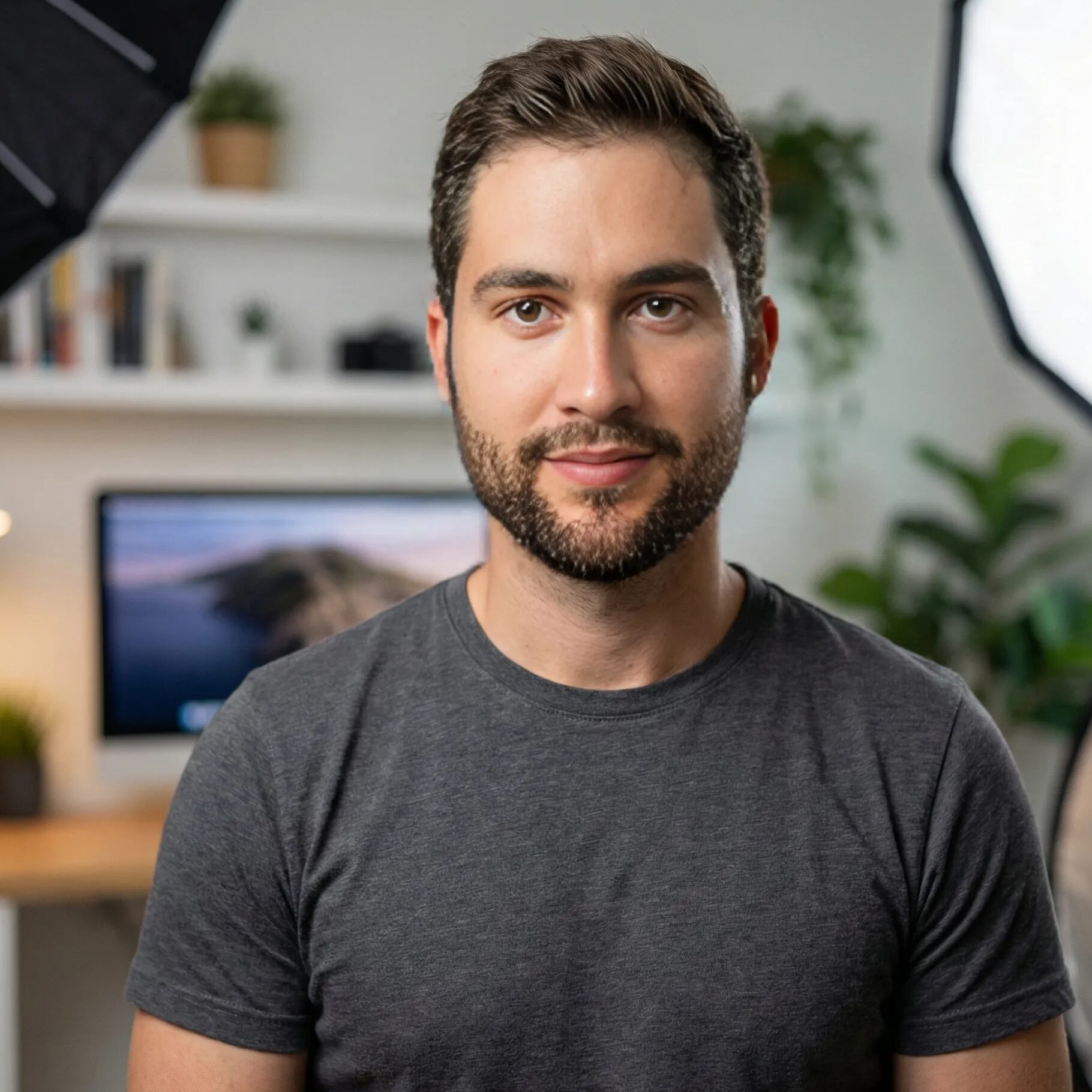
This is “The Fred Guerra Protocol”—the exact system I use and the one I recommend to anyone serious about optimizing their sleep. It’s not sexy. It’s not a magic supplement. It’s systematic manipulation of biology.
Let’s break down each phase.
Want Better Sleep Stats?
Theory is good, but tools get results. See the exact stack (mask, tape, supplements) I use to get 2+ hours of Deep Sleep every night.
Open Sleep Hub☀️ Phase 1: Morning (Setting the Clock)
Your morning routine determines your sleep quality 16 hours later. Most people have this completely backwards.
Get Sunlight Within 30 Minutes of Waking
This is the single most important intervention in this entire protocol.
Your brain has a master clock called the suprachiasmatic nucleus (SCN). It sits above the optic nerve and coordinates every circadian rhythm in your body—cortisol, melatonin, body temperature, digestion, all of it.
The SCN needs to know when “day” starts. It gets this information from light hitting your retina. Research shows that morning light exposure synchronizes circadian rhythms and triggers a cortisol pulse that sets your wake/sleep cycle for the entire day.
The protocol: Get 10-20 minutes of outdoor sunlight within 30 minutes of waking. Not through a window—glass blocks the specific wavelengths (blue and UV-A) that signal the SCN. If it’s overcast, you need longer (30-40 minutes). If you live somewhere with brutal winters, consider a 10,000 lux light therapy box.
I do this every single morning, even when I’m traveling. I step outside with my coffee, face the general direction of the sun (don’t stare directly at it), and let the light hit my eyes. On cloudy Portland mornings, I use my NatureBright Sun Touch lamp for 20 minutes while I read.
The mistake: Waiting until you “feel like it” or checking your phone first. Your SCN doesn’t care about your feelings. It needs the light signal early, or it stays confused all day—which means melatonin release gets delayed at night.
Optional: Cold Exposure
I’m not going to tell you cold showers are mandatory. But if you want an extra edge, brief cold exposure in the morning raises core body temperature (paradoxically) and increases alertness.
I do 2-3 minutes of cold water at the end of my shower. It sucks. It works.
The Caffeine Delay: Wait 90 Minutes
Here’s a nuance most people miss: when you wake up, your adenosine levels are naturally low. Adenosine is the molecule that builds up during the day and makes you feel tired. It’s cleared during sleep.
If you slam coffee immediately upon waking, you’re blocking adenosine receptors when there’s barely any adenosine present. You get a short buzz, then a crash around 10 AM, then you need more coffee, and the cycle spirals.
The protocol: Wait 90 minutes after waking to have your first coffee. During that first hour, your natural cortisol is peaking anyway—you don’t need chemical help yet. When you finally drink caffeine around 9 or 10 AM, it works better and lasts longer.
I tested this on myself using continuous glucose monitors and Oura data. The 90-minute delay reduced my afternoon energy crashes and improved my sleep latency (time to fall asleep) by an average of 8 minutes.
🌤️ Phase 2: Daytime (Building Pressure)
Sleep pressure is the technical term for how badly your body wants to sleep. It’s driven by adenosine accumulation and your circadian rhythm. Both need to align for great sleep.
Movement: Create Physical Fatigue
Your body evolved to move. A lot. Hunter-gatherers walked 8-12 miles per day. You probably walk 3,000 steps to the fridge and back.
Physical activity increases adenosine buildup, which translates to stronger sleep pressure at night. It also raises core body temperature during the day, which makes the evening temperature drop (necessary for sleep initiation) more pronounced. Research shows that regular exercise improves sleep quality and increases time spent in deep sleep stages.
The protocol: At minimum, get 8,000 steps. Ideally, include some resistance training or vigorous cardio. I lift heavy 3x per week and walk 10,000+ steps daily. On lifting days, my deep sleep averages 1 hour 45 minutes. On rest days where I’m sedentary, it drops to 1 hour 10 minutes.
Timing matters too. Avoid intense exercise within 3 hours of bedtime—it spikes cortisol and adrenaline, which can delay sleep onset. Studies confirm that vigorous exercise close to bedtime can negatively impact sleep latency in some individuals.
The Caffeine Cut-Off: 2 PM Hard Stop
Caffeine has a half-life of 5-7 hours in most people. That means if you drink coffee at 4 PM, half of it is still in your system at 9 PM. A quarter of it is there at 2 AM.
Even if you “fall asleep fine,” caffeine fragments your sleep architecture. According to the pharmacology of caffeine, it blocks adenosine receptors throughout the night, reducing deep sleep and REM sleep. Research demonstrates that caffeine consumption even 6 hours before bedtime significantly disrupts sleep.
The protocol: No caffeine after 2 PM. Period. If you’re highly sensitive (slow metabolizer due to CYP1A2 genetics), cut it off even earlier—noon or 1 PM.
I used to drink espresso at 5 PM and wonder why I’d wake up at 3 AM every night. Once I moved my last coffee to 1 PM, those wake-ups disappeared within a week. My body needed time to clear the adenosine blockade.
If you need an afternoon boost, try a 20-minute nap instead (more on this below).
Napping: The Rules
Naps can be a tool or a trap.
The 20-minute power nap: Stay in light sleep. Wake up refreshed. Doesn’t interfere with nighttime sleep. Ideal timing: 1-3 PM (aligned with the post-lunch circadian dip).
The 90-minute full-cycle nap: Complete one sleep cycle (light → deep → REM → light). You wake up at the end of a cycle, so there’s less grogginess. The risk: if you nap too late (after 3 PM), you reduce sleep pressure for the night.
The worst nap: 40-60 minutes. You wake up in the middle of deep sleep (sleep inertia). You feel like garbage for 30 minutes afterward.
My approach: I rarely nap unless I had a terrible night. If I do, it’s 20 minutes max, before 2 PM, with a sleep mask and noise-canceling headphones.
🌙 Phase 3: The Wind-Down (Dimming)
This is where most people destroy their sleep without realizing it.
Light Hygiene: The Blue Light Problem
Your brain interprets bright light—especially blue wavelengths (450-480nm)—as “daytime.” This suppresses melatonin, the hormone that makes you feel sleepy.
The problem isn’t just your phone. It’s your overhead LED lights, your TV, your laptop. Research confirms that exposure to blue light in the evening suppresses melatonin production and delays circadian phase.
The protocol:
- Dim the lights starting 2-3 hours before bed. I use warm-toned lamps (2700K or lower) and avoid overhead lighting.
- Blue-blocking glasses if you’re watching TV or working on a computer. I use TrueDark glasses after 8 PM. They look ridiculous. They work.
- Screen filters: Use Night Shift (iOS), Night Light (Windows), or f.lux. Set them to activate at sunset.
- Red light bulbs in your bedroom and bathroom. Red wavelengths (>600nm) don’t suppress melatonin. I swapped all my bedroom bulbs for red Philips Hue lights. You can also explore red light therapy for other health benefits, though that’s a separate topic.
When I travel and stay in bright hotels, my sleep latency increases by 15-20 minutes. At home, with my evening light protocol dialed in, I’m asleep within 10 minutes of closing my eyes.
Food Timing: The 3-Hour Rule
Eating too close to bedtime wrecks your sleep quality. Here’s why:
- Digestion raises core body temperature. You need your body to cool down to initiate sleep. If you’re still digesting, that cooling is delayed.
- Blood sugar instability. A large carb-heavy meal before bed can cause a glucose spike followed by a crash, which triggers a cortisol/adrenaline response. Research on late-night eating shows it disrupts circadian rhythms and impairs glucose metabolism. That’s why you wake up at 3 or 4 AM—your body is releasing stress hormones to raise blood sugar.
- Reduced HRV. Heart rate variability (a marker of nervous system recovery) drops when your body is working to digest food during sleep.
The protocol: Stop eating 3 hours before bed. If you must snack, keep it small and protein/fat-based (e.g., a handful of nuts). Avoid sugar, refined carbs, and large meals.
I finish dinner by 6:30 PM and go to bed around 10 PM. My Oura ring consistently shows better HRV and deeper sleep on nights when I follow this rule versus nights when I cheat and eat at 8 PM.
Supplements: The Short List
I’m not a fan of relying on supplements for sleep. But a few are backed by decent research and can help fine-tune the system.
Magnesium Bisglycinate (200-400mg): Magnesium plays a role in GABA regulation and has been shown to improve sleep quality, particularly in people with low magnesium status. I take 400mg about an hour before bed.
L-Theanine (200-400mg): An amino acid from tea that promotes relaxation without sedation. Research shows L-theanine can improve sleep quality by reducing stress and promoting alpha brain wave activity. It takes the edge off if you’re wired but not tired.
Glycine (3-5g): Some research suggests glycine can lower core body temperature slightly and improve subjective sleep quality. I occasionally use it but don’t consider it essential.
What I avoid: Melatonin (it’s a timing signal, not a sedative, and exogenous dosing can desensitize receptors), ZMA (zinc before bed disrupts my sleep), and anything with valerian (smells like death and inconsistent effects).
🛌 Phase 4: The Sanctuary (Deep Sleep)
Your bedroom should be a cave: cool, dark, and quiet.
Temperature: The 65-68°F Sweet Spot
Your body needs to drop its core temperature by 1-2 degrees Celsius to initiate sleep. Research on thermoregulation and sleep confirms that cooler ambient temperatures facilitate this process.
The ideal range for most people is 65-68°F (18-20°C). Too warm, and you’ll have fragmented sleep and less deep sleep. Too cold (below 60°F), and your body burns energy trying to stay warm, which can disrupt sleep as well.
My setup: I keep my bedroom at 66°F year-round. In the summer, I use a ChiliSleep OOLER pad to actively cool my mattress to 60°F. In winter, I crack a window. I also sleep with minimal clothing—your extremities (hands, feet, face) need to radiate heat.
When I travel and stay in warm hotel rooms, my deep sleep drops by 20-30% even if everything else is perfect.
Darkness: Zero Light
Even small amounts of light can disrupt sleep. Your skin has photoreceptors (not just your eyes). Research shows that light exposure during sleep reduces deep sleep and increases nighttime awakenings. Even dim light can suppress melatonin and negatively affect sleep quality and metabolic function.
The protocol:
- Blackout curtains or blackout shades. I use Nicetown blackout curtains—cheap and effective.
- Sleep mask as backup. I use a Manta Sleep Mask when traveling.
- Cover or eliminate LED lights on electronics. Even the tiny blue LED on your smoke detector can be an issue. I use black electrical tape.
- Red night lights only if you need to navigate at night (bathroom trips, etc.).
My bedroom at night is so dark I can’t see my hand in front of my face. It’s excessive. It works.
Air Quality: CO2 and Humidity
Most people ignore this, but poor air quality degrades sleep.
CO2 buildup: Bedrooms are small, sealed spaces. As you breathe, CO2 accumulates. High CO2 levels in bedrooms (>1000 ppm) are associated with grogginess, headaches, and reduced cognitive function the next day. Opening a window or using a fan for circulation helps.
Humidity: Too dry (<30%) irritates airways and increases snoring. Too humid (>60%) promotes mold and feels oppressive. Aim for 40-50% humidity. I use a small humidifier in winter and a dehumidifier in summer.
Noise: Use a white noise machine or fan to mask irregular sounds. Studies show that environmental noise disrupts sleep architecture and reduces sleep quality. I use a Dohm white noise machine. Consistent, predictable sound is better than silence in most environments.
The Consistency Factor: Sleep Regularity
Here’s something most people don’t want to hear: going to bed and waking up at the same time every day matters more than almost anything else.
Research on sleep regularity and health outcomes shows that irregular sleep schedules are associated with poor metabolic health, increased inflammation, and worse subjective sleep quality—even if total sleep duration is adequate.
Your circadian system craves predictability. If you go to bed at 10 PM Monday through Friday, then stay up until 2 AM on Saturday, you’ve just given yourself social jetlag. It takes 2-3 days to recover.
The protocol: Pick a wake time and a bedtime. Stick to them within 30 minutes, every single day, including weekends. Yes, even weekends.
I wake up at 6:30 AM and go to bed at 10:00 PM, seven days a week. It was hard to give up late Friday nights at first. Now my body is so locked into the rhythm that I naturally get tired at 9:45 PM and wake up at 6:25 AM without an alarm.
Understanding your circadian rhythm and respecting it is the foundation of everything else in this protocol.
The Fred Guerra Sleep Protocol: 24-Hour Checklist
Here’s the full system in a scannable format. Copy this, print it, put it on your wall.
🚀 How to use this Dashboard: This is an interactive tool. Bookmark this page and click the boxes below to track your daily adherence. You don’t need to be perfect—aim for 80%+ consistency to see results in your deep sleep data.
⚡ The 24-Hour Protocol
Medical Disclaimer: This protocol is for educational and informational purposes only. It is not intended to substitute for professional medical advice, diagnosis, or treatment. Always seek the advice of your physician before making changes to your sleep routine, diet, or supplement intake.
Troubleshooting Common Issues
“I do all this and still wake up at 3-4 AM.”
This is usually blood sugar instability or cortisol dysfunction. Check your dinner timing and composition. Reduce alcohol (it fragments sleep in the second half of the night). Read the full breakdown in my guide on why you wake up at 3-4 AM.
“I can’t fall asleep even when I’m exhausted.”
This is either too much caffeine, insufficient sleep pressure (you’re not moving enough during the day), or circadian misalignment (you’re not getting morning light). Go back to Phase 1 and Phase 2.
“I fall asleep fine but wake up feeling unrefreshed.”
Check your sleep stages. Use an Oura ring or Whoop strap to track deep sleep and REM. If deep sleep is low (<1 hour), you might be too warm, eating too late, or drinking alcohol. If REM is low, it’s often stress or late-day caffeine.
“This seems obsessive.”
It is. But here’s the reality: sleep is the foundation of everything else—cognition, mood, metabolic health, immune function, longevity. If your sleep sucks, everything else you’re trying to optimize is built on sand.
You don’t have to do all of this. But the more variables you control, the better your results. I obsess over sleep because I’ve seen what happens when I don’t—brain fog, irritability, poor workouts, higher stress, worse decision-making.
You get to choose your hard. Discipline now, or consequences later.
Final Thoughts
Sleep optimization isn’t about buying an $8,000 mattress or taking 15 supplements. It’s about systematically controlling the biological inputs that determine sleep quality: light, temperature, food timing, movement, and consistency.
The Fred Guerra Protocol is this:
- Morning light within 30 minutes of waking
- No caffeine after 2 PM
- Stop eating 3 hours before bed
- Dim lights and avoid blue light after sunset
- Keep your bedroom at 65-68°F, completely dark, and quiet
- Go to bed and wake up at the same time every day
Everything else—supplements, trackers, fancy sleep tech—is optimization on top of this foundation. Get the foundation right first.
I’ve been following this protocol for three years. My average deep sleep is 1 hour 45 minutes. My HRV is consistently 65-75. I wake up without an alarm, feeling sharp, ready to work.
It’s not magic. It’s biology respected instead of ignored.
Frequently Asked Questions
What if I work night shifts?
Shift work is classified as a carcinogen because it destroys circadian rhythms. If you must do it, use red light glasses immediately upon finishing your shift (morning) to block the sun, and simulate “night” in your bedroom with blackout curtains. Take melatonin ONLY during the day when you need to sleep.
Can I drink decaf coffee after 2 PM?
Yes, but be careful. Decaf still contains small amounts of caffeine (2-15mg). If you are extremely sensitive, stick to herbal teas (Chamomile, Rooibos) after the cutoff.
I wake up to pee at 3 AM. Does this break the protocol?
Not necessarily, but do NOT turn on the lights. Use a red night light in the bathroom. If you turn on the main light, you suppress melatonin instantly, making it hard to fall back asleep. Also, stop drinking fluids 2 hours before bed.
How long does it take to fix my sleep?
Circadian entrainment (resetting your clock) typically takes 3 to 7 days of strict adherence to morning sunlight and evening darkness.