Sleep Optimization Technology: Science-Backed Devices & Trackers Tested in Our Lab
Sleep optimization technology includes wearable trackers, smart mattresses, light therapy devices, and bedside sensors that measure and improve your sleep quality. We test these technologies in our lab to see how accurately they track your sleep stages, heart rate patterns, and breathing—so you can make informed decisions based on real data.
Start Here: Essential Sleep Optimization Guides
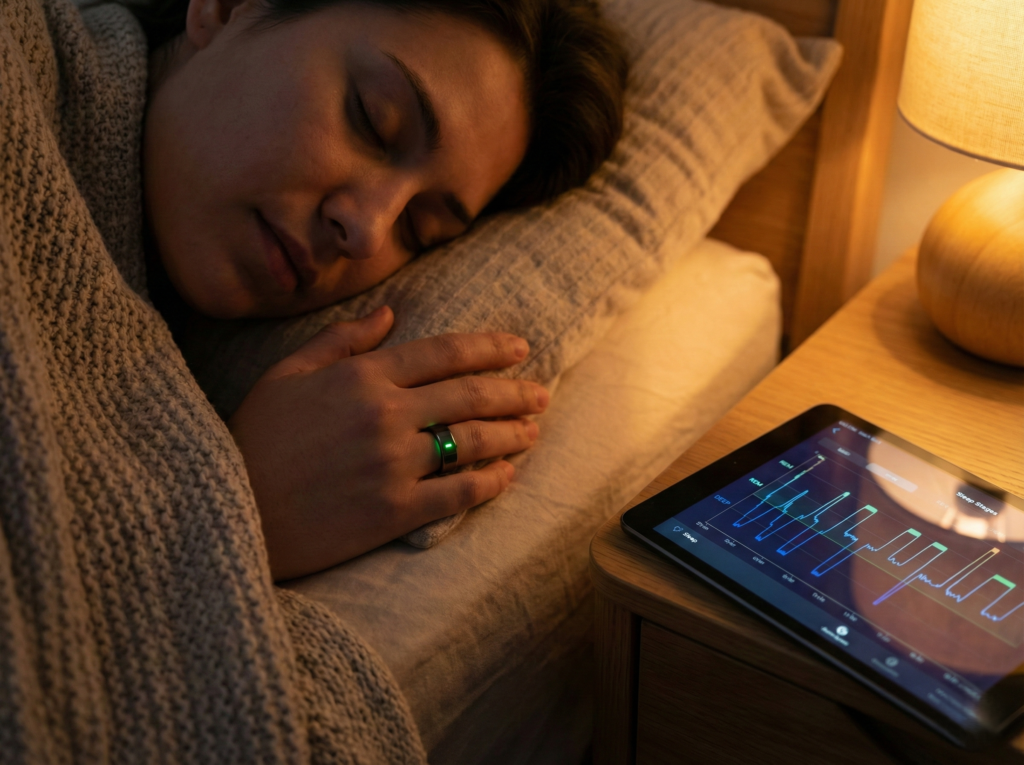
What Is Sleep Optimization?
New to sleep tech? Start here. Learn what sleep trackers measure, how different sensor types work, and which metrics actually matter for better rest.
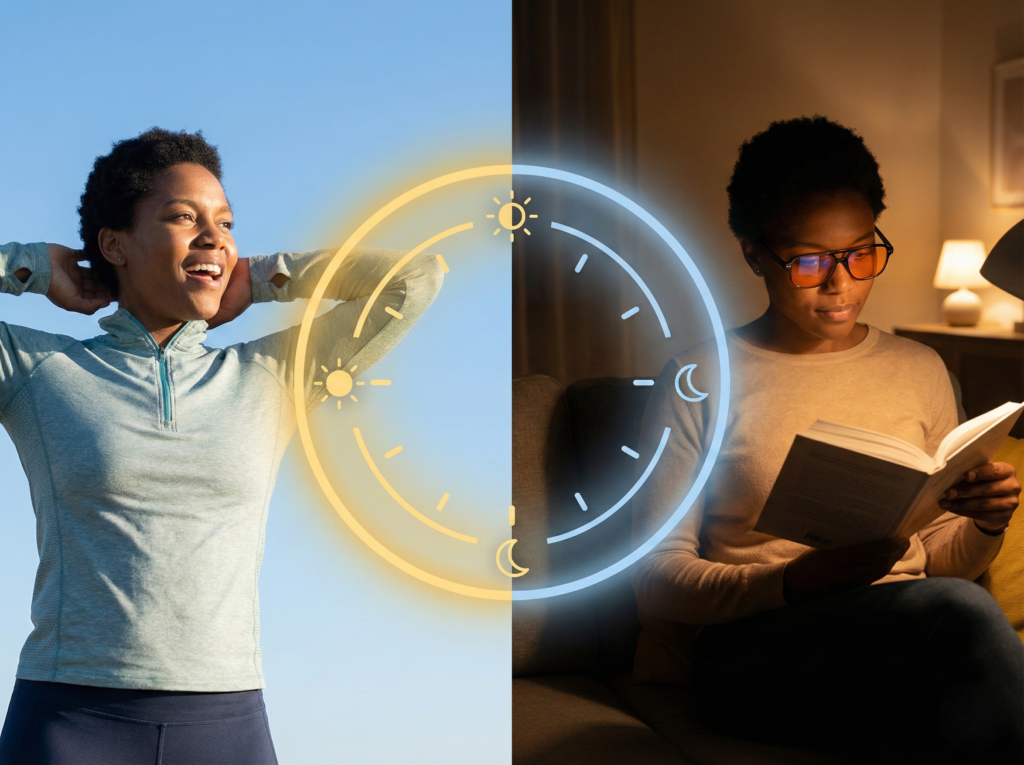
Circadian Rhythm and Sleep Timing Explained: Your Body’s 24-Hour Clock
Master your body’s 24-hour clock. We explain how light exposure and temperature dictate your sleep quality, plus practical protocols to reset your rhythm.
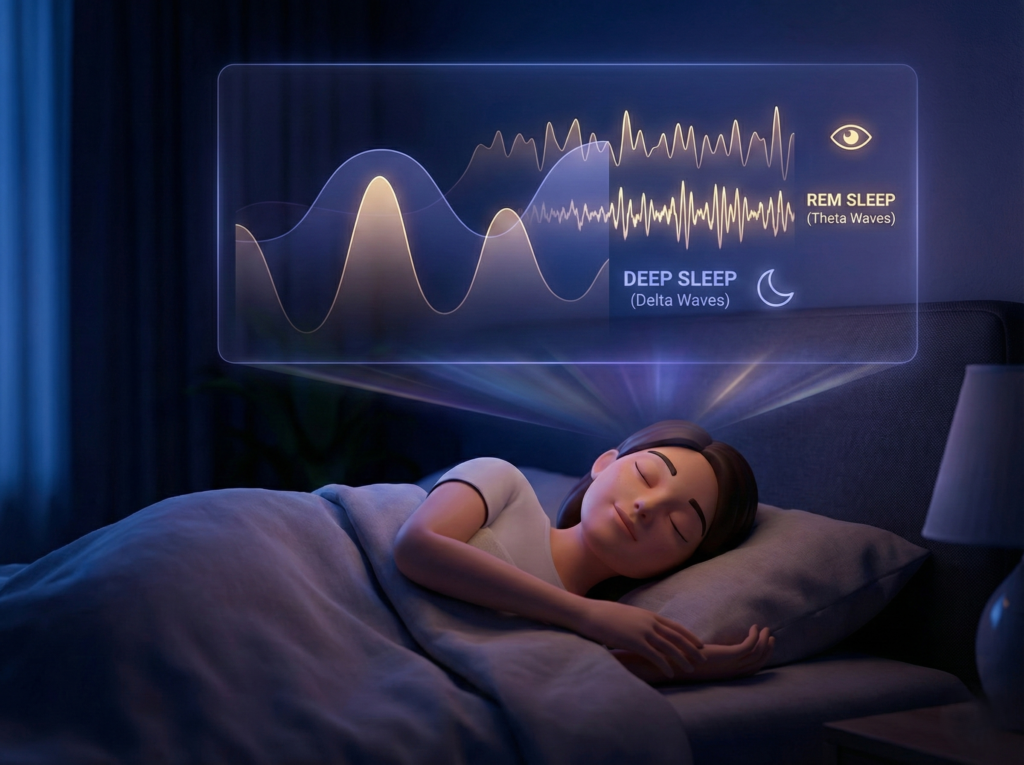
How Sleep Works: Understanding REM, Deep Sleep, and Sleep Architecture
Decode your sleep stages. Understand the critical difference between Deep sleep (physical repair) and REM (mental processing), and why ‘8 hours’ isn’t enough.
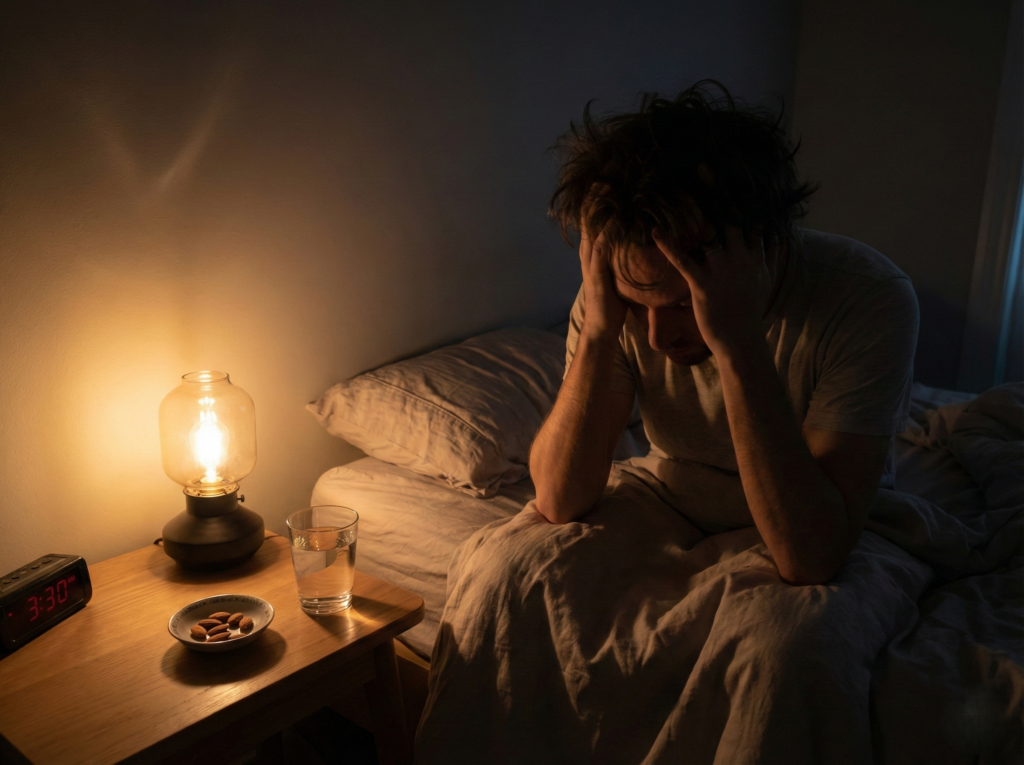
Why You Can’t Fall Asleep: Understanding Stress, Cortisol, and Hyperarousal
Tired but wired? Explore the biology of hyperarousal. Learn how cortisol spikes prevent sleep onset and discover tools to calm your nervous system fast.
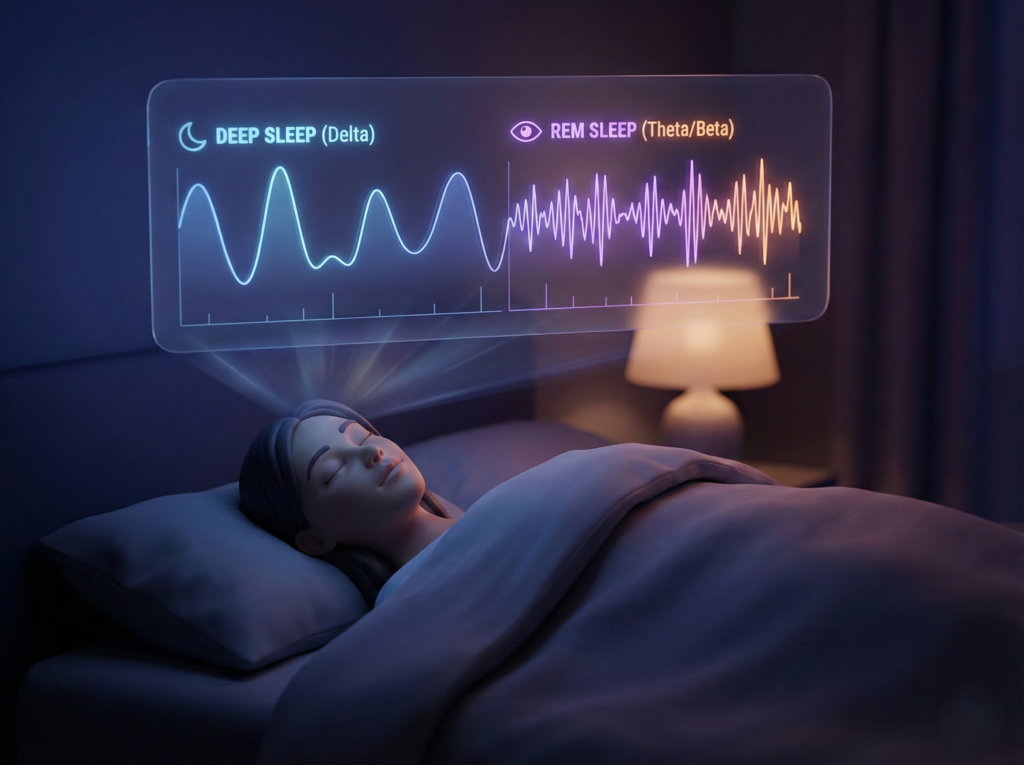
Why You Wake Up at 3-4 AM Every Night (And How to Fix It)
Waking up at the same time every night isn’t random. Discover the metabolic triggers — like blood sugar crashes — that disrupt sleep and how to fix them.
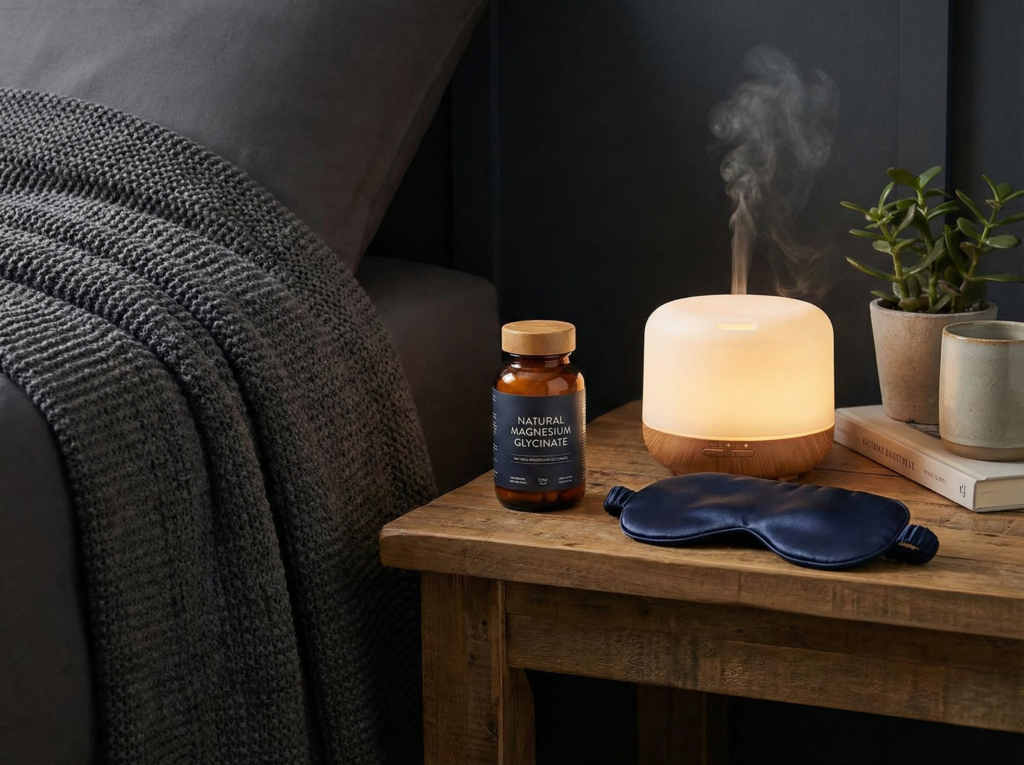
How to Improve Sleep Quality Without Medication
Ditch the sleeping pills. We test science-backed natural solutions, from optimizing your bedroom environment to specific supplements like Magnesium and Glycine.
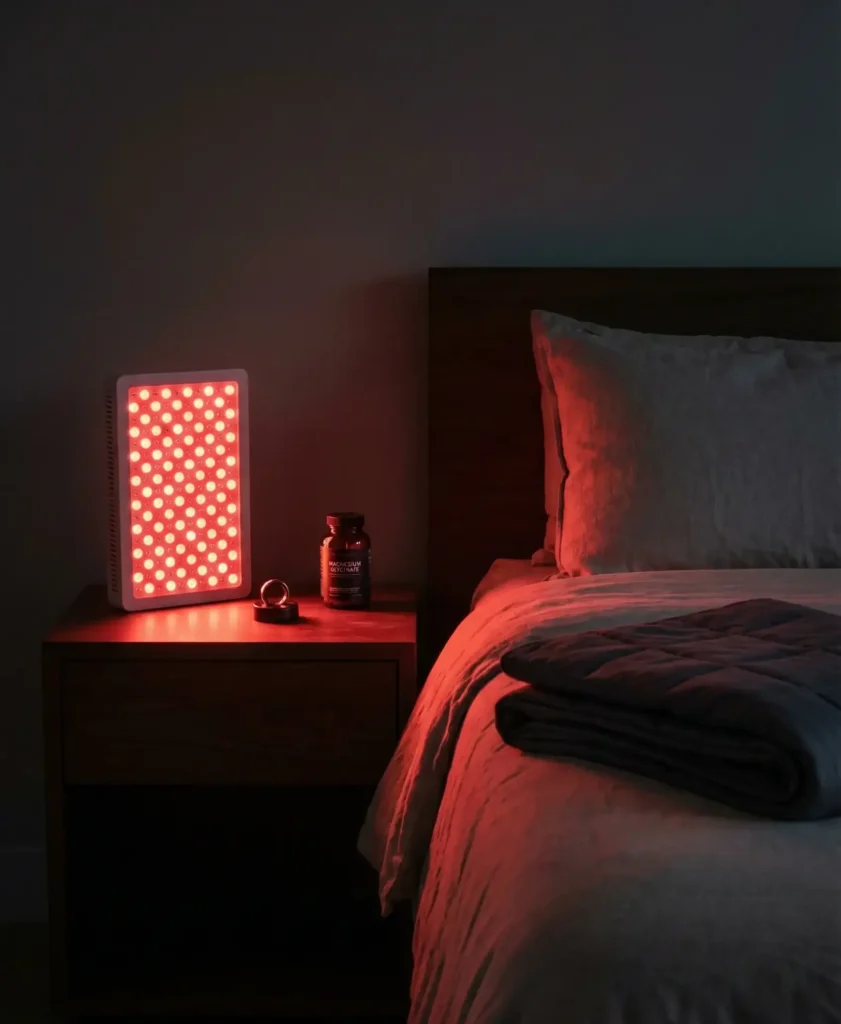
The Ultimate Sleep Protocol: A 24-Hour Checklist
Stop guessing. We engineered the perfect 24-hour routine to fix your circadian rhythm and double your deep sleep. Includes exact light timing, temperature settings, and a free interactive daily dashboard.
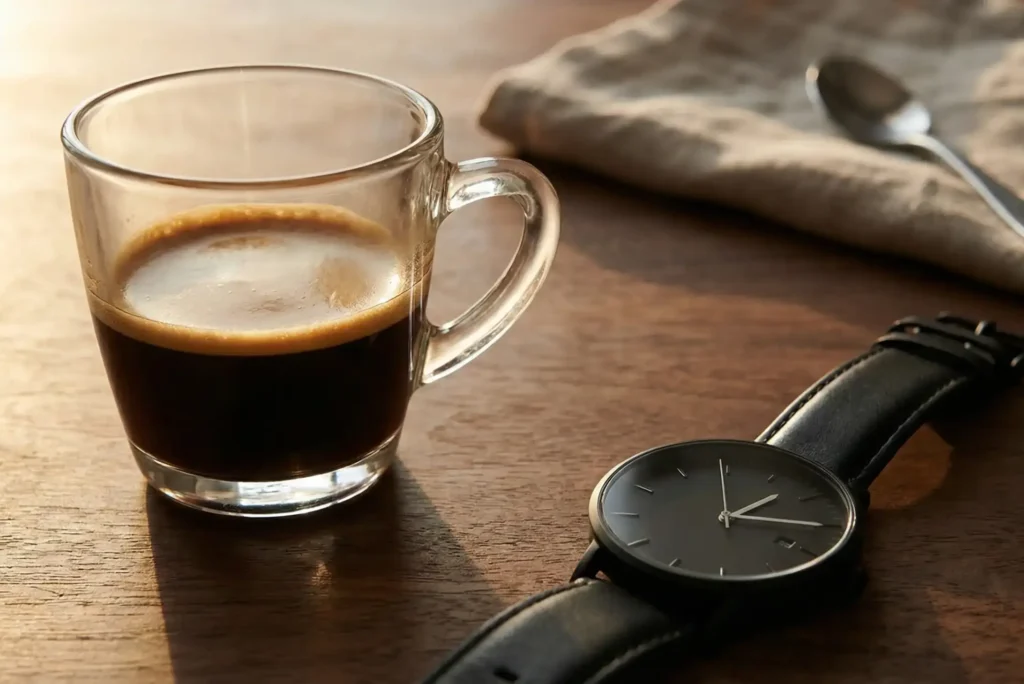
The Caffeine Curfew: Are You Drinking Coffee Too Late?
Even if you can fall asleep after an afternoon espresso, your sleep quality is compromised. Learn the math of caffeine “half-life” and the exact time you must stop to protect your restorative deep sleep.
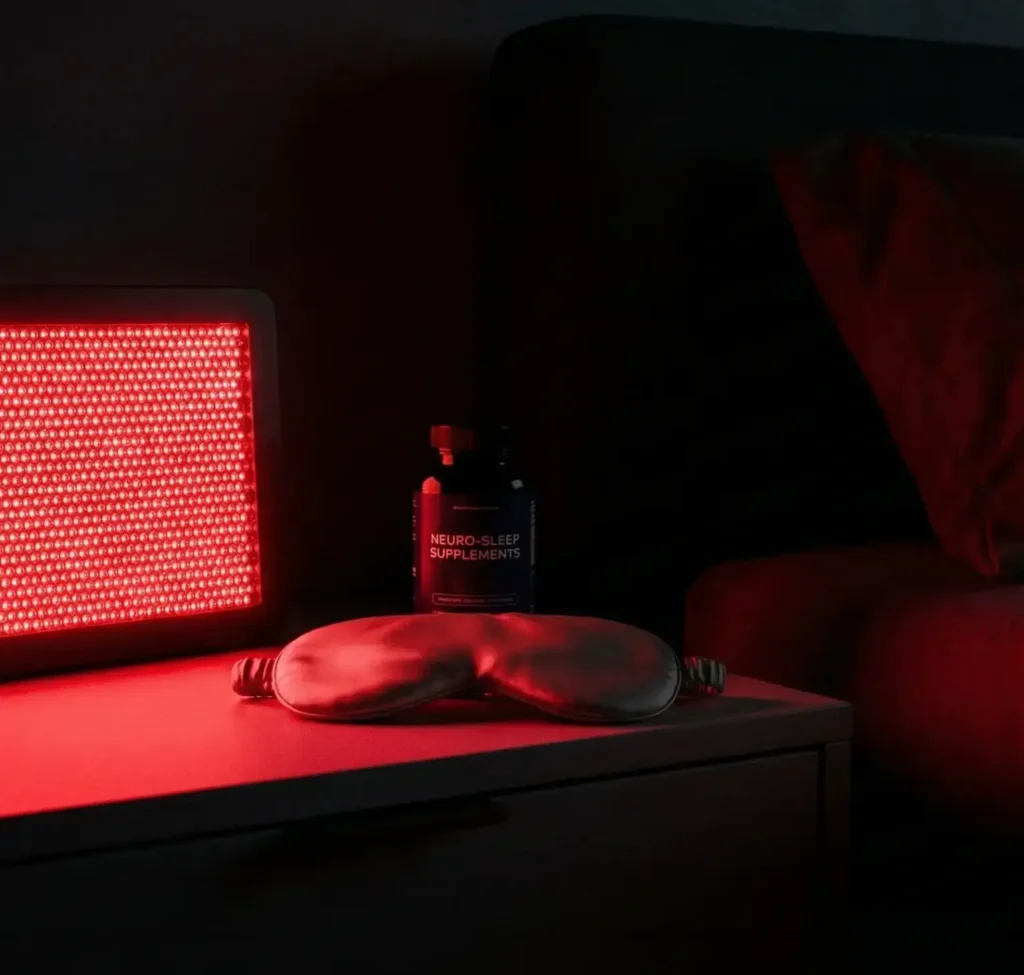
Red Light Therapy: The “Sunset” Hack for Melatonin
Why turning your bedroom red is the ultimate biohack. We analyze how specific wavelengths (600nm+) trick your brain into deep sleep mode, even with the lights on.
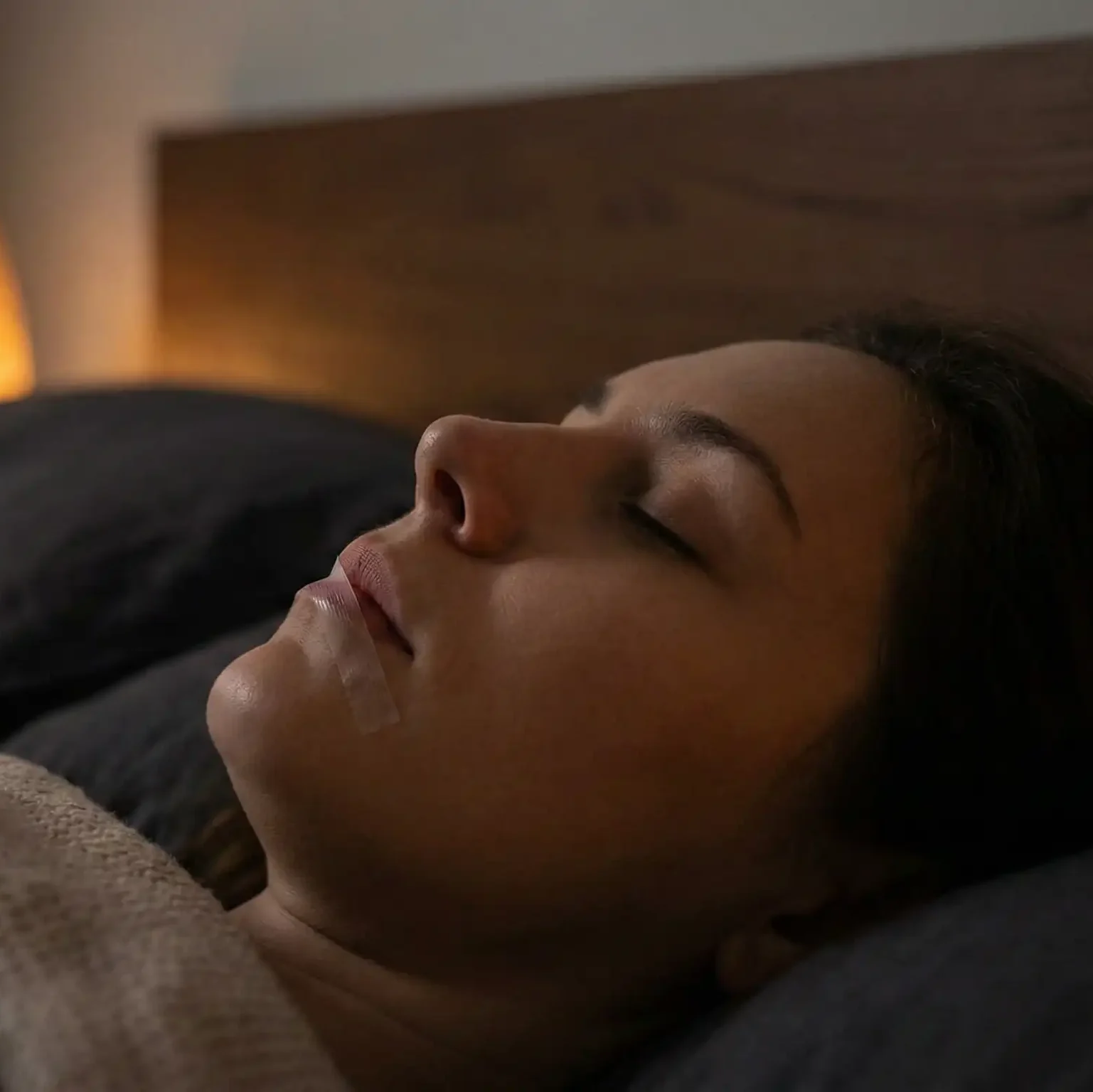
Mouth Taping: The Nitric Oxide Hack for Deep Sleep
Why taping your mouth is the simplest biological hack to stop snoring, boost oxygenation, and activate parasitic recovery mode overnight.
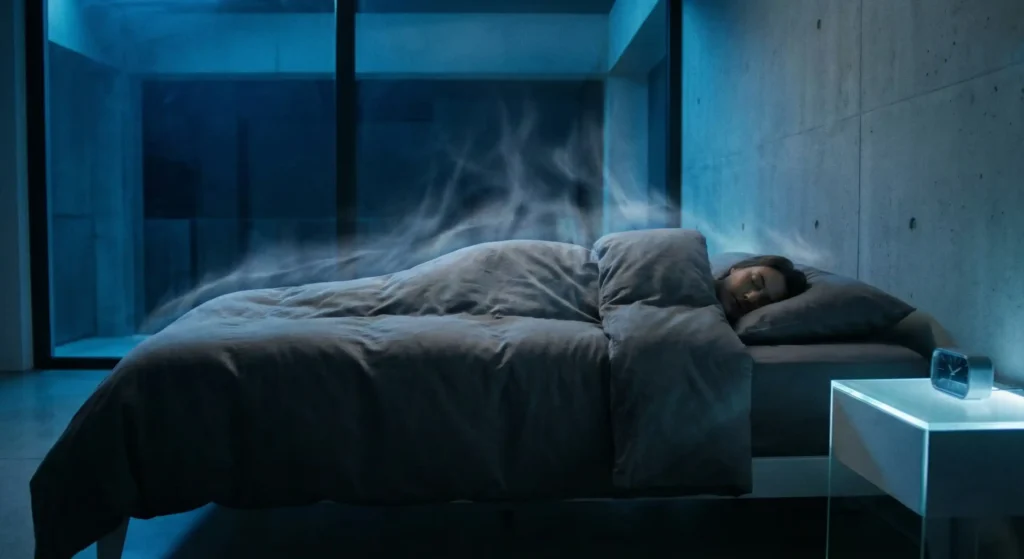
The Physics of Cooling: Why You Need to Drop 2°F to Sleep
Waking up hot at 3 AM? Learn how thermoregulation controls your deep sleep cycles and why a warm shower paradoxically cools you down faster.
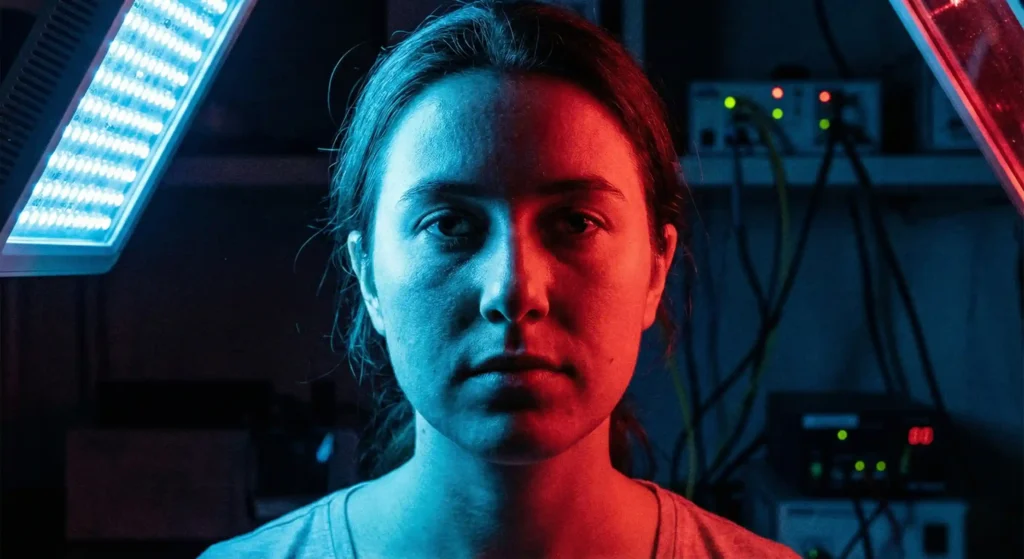
Your Skin “Sees” Blue Light: The Hidden Circadian Disruptor
Wearing blue blockers isn’t enough. Discover how new photoreceptors found in your skin absorb light and ruin your sleep hormone production.
Sleep Supplements & Guides
Updated 2026-
Magnesium for Sleep: Glycinate vs Oxide
Comparison of 6 forms. Which one actually crosses the blood-brain barrier?
-
L-Theanine Dosing & Stacking Guide
How to stack with caffeine for focus or magnesium for deep sleep.
-
How to Sleep in the Heat (Without AC)
Physiological tricks to lower core body temperature manually.
-
The Biomechanics of Sleep Positions
How your posture impacts airway resistance, spinal alignment, and REM cycles. Stop suffocating at night.
-
Alcohol & Sleep: The Chemical Breakdown
Why a “nightcap” spikes core temperature and destroys your deep sleep recovery metrics.
Why Sleep Tracking Actually Helps
Sleep tracking isn’t just about seeing numbers on a screen. When used correctly, these technologies help you identify patterns, make better lifestyle choices, and understand what’s actually affecting your rest. Here’s what the research shows.
See Your Real Sleep Patterns
You might think you sleep 8 hours, but are you actually getting quality rest? Sleep trackers measure how long it takes you to fall asleep, how often you wake up, and how much time you spend in deep sleep versus light sleep. This objective data helps you spot problems you didn’t know existed—like waking up 15 times per night without remembering it.
Find What’s Disrupting Your Sleep
Track your sleep data over weeks and you’ll start seeing patterns. Late coffee? Your deep sleep drops by 30%. Stressful work week? Your resting heart rate stays elevated all night. Alcohol before bed? Your REM sleep gets cut in half. The data shows you exactly what helps and what hurts, so you can make targeted changes instead of guessing.
Optimize Your Body’s Recovery
Your heart rate variability (HRV) during sleep tells you how well your nervous system is recovering from daily stress. Higher HRV means better recovery— your body is relaxed and repairing itself. Lower HRV signals you’re still in stress mode. Athletes use this to adjust training intensity, but anyone can use it to know when to push hard or take it easy.
Catch Breathing Problems Early
Many sleep trackers now monitor blood oxygen levels and breathing patterns throughout the night. Frequent drops in oxygen or irregular breathing can be early warning signs of sleep apnea—a serious condition that affects millions of people who don’t know they have it. While trackers can’t diagnose medical conditions, they can alert you to patterns worth discussing with your doctor.
Fix Your Sleep Schedule with Light
Your body runs on a 24-hour cycle controlled by light exposure. Smart lighting systems use specific wavelengths of light—bright blue-white light in the morning to wake you up, warm red light in the evening to help you wind down—to strengthen your natural sleep-wake rhythm. This is especially helpful for shift workers, frequent travelers, or anyone with irregular schedules.
Sleep Tracking Technologies: Quick Comparison
We’ve tested dozens of sleep tracking devices across five main technology categories. Here’s how each approach compares in terms of accuracy, ease of use, and what they’re best suited for.
| Technology Type | What It Tracks | Accuracy Level | Setup & Comfort | Battery Life | Best For |
|---|---|---|---|---|---|
| Wearable Trackers | Sleep stages, heart rate, movement, blood oxygen | ⭐⭐⭐⭐ (Good) | Wear on wrist 24/7 | 5-7 days | Active lifestyles, daytime tracking |
| Smart Rings | Sleep stages, heart rate, temperature, HRV | ⭐⭐⭐⭐⭐ (Excellent) | Lightweight, barely noticeable | 4-7 days | Minimalists, accurate HRV data |
| Under-Mattress Sensors | Movement, breathing rate, heart rate | ⭐⭐⭐⭐ (Good) | Zero wearables needed | Plugged in | Couples, people who dislike wearables |
| Bedside Monitors | Movement, breathing sounds, room environment | ⭐⭐⭐ (Moderate) | Place on nightstand | Plugged in | Complete beginners, non-contact |
| Light Therapy Devices | Circadian rhythm support (not tracking) | N/A | Bedside or wearable | Varies | Shift workers, jet lag recovery |
Common Questions About Sleep Tracking
Are sleep trackers actually accurate, or are they just guessing?
Most consumer sleep trackers are 70-85% accurate at identifying when you’re asleep versus awake, which is good enough for tracking trends over time. They’re less accurate at detecting specific sleep stages (deep sleep, REM, light sleep)—typically around 60-70% compared to medical sleep studies. The key is to focus on patterns and changes in your data rather than obsessing over exact numbers each night. If you see your “deep sleep” dropping consistently, that’s meaningful even if the exact minutes aren’t perfect.
What’s the difference between heart rate and HRV, and which matters more?
Your heart rate is simply how many times your heart beats per minute. Heart rate variability (HRV) measures the tiny variations in time between each heartbeat—and it’s actually a better indicator of recovery and stress. When you’re well-rested and relaxed, your HRV is higher (more variation is good). When you’re stressed, sick, or overtrained, HRV drops. Think of heart rate as “how fast” and HRV as “how smoothly” your cardiovascular system is working. Both matter, but HRV tells you more about your overall readiness.
Do I really need to wear something while I sleep, or are bedside monitors good enough?
It depends on what you want to track. Wearables (watches, rings) can measure heart rate, blood oxygen, and body temperature directly from your skin—giving more detailed data. Bedside or under-mattress monitors track movement and breathing without touching you, but they’re less accurate for metrics like HRV. If you hate wearing devices to bed, non-contact monitors still provide useful information about your sleep patterns. If you want the most detailed data (especially for athletic training or health optimization), wearables are worth it.
Can sleep tracking technology actually help me sleep better, or does it just give me data?
The tracker itself doesn’t improve your sleep—it’s what you do with the information that matters. Think of it like weighing yourself: the scale doesn’t make you lose weight, but it shows you if your diet is working. Sleep trackers help you run experiments: try going to bed 30 minutes earlier, cutting caffeine after 2pm, or keeping your bedroom cooler. The data shows you what’s actually making a difference. Many people discover surprising patterns (like alcohol destroying their deep sleep) that they never would have noticed otherwise.
Will blue light blocking really help me fall asleep faster?
Yes, but with context. Blue light (450-480nm wavelength) suppresses melatonin production, which delays sleepiness. Studies show that blocking blue light 2-3 hours before bed can increase melatonin by 50-60% and reduce the time it takes to fall asleep by 15-20 minutes. However, quality matters—cheap blue light glasses often don’t filter the right wavelengths. Look for glasses, screen filters, or smart lights with published spectral data showing they actually block 450-480nm. Also remember: dim lighting matters more than color. A bright orange light is still worse than a dim white light.
How We Test Sleep Technology
We don’t just read spec sheets or rely on manufacturer claims. Every device that appears on this site goes through our multi-week testing protocol in controlled conditions.
Our testing process includes:
Baseline Comparison
We wear or use multiple devices simultaneously to compare their readings against each other and identify outliers.
Real-World Usage
Each technology is tested for at least 14 consecutive nights by multiple team members with different sleep patterns.
Data Validation
We look for internal consistency (do the numbers make sense?), cross-device correlation, and how well the data matches subjective sleep quality.
Feature Testing
We evaluate every feature—app interface, data export, battery life, comfort, and whether “smart” features actually add value or just clutter.
Long-Term Reliability
Some devices work great for a week then fail. We test for at least 30 days to catch degradation issues.